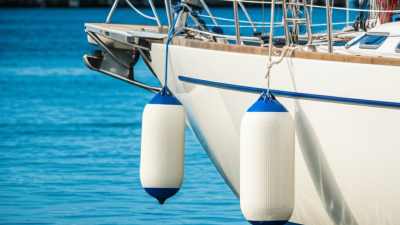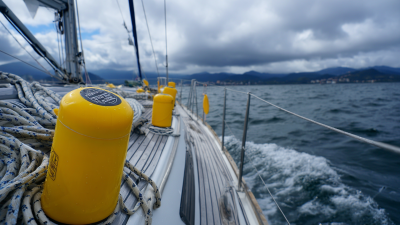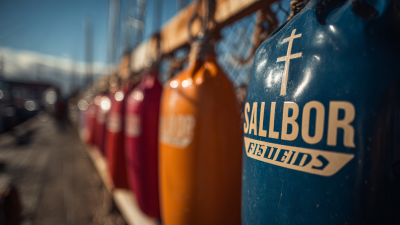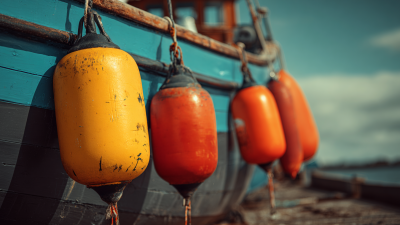
In the fast-changing world of boating, picking the right gear is super important—especially when it comes to Boat Fenders. I mean, if you ask John Smith, a maritime safety expert and the guy behind 'Safe Sailing Practices,' he’ll tell you that choosing the right fender can be the difference between a smooth, stress-free docking and some serious damage to your boat. With so many options out there, it can get pretty tricky to know which kind of fender suits your boat best. That's why understanding the different types—like inflatable, foam, or even custom ones—and what they’re good for is a must for every boat owner.
So, what do Boat Fenders actually do? Well, they act like little buffer zones between your boat and the dock or other boats, soaking up shocks and helping prevent scratches or dents. As more people get out on the water, the choices just keep growing—from inflatable to foam, and even custom designs. Picking the right fender depends on a bunch of things: your boat’s size, weight, and how you usually dock. Getting it right can really make your time on the water safer and way less stressful.
In this ultimate guide, we’re gonna walk through all the different types of Boat Fenders and share some tips on how to pick the perfect one for your boat. Whether you’re a seasoned sailor or just starting out, having the right fender can seriously improve your boating experience and help protect your investment out there. Trust me, a good fender is worth paying attention to!
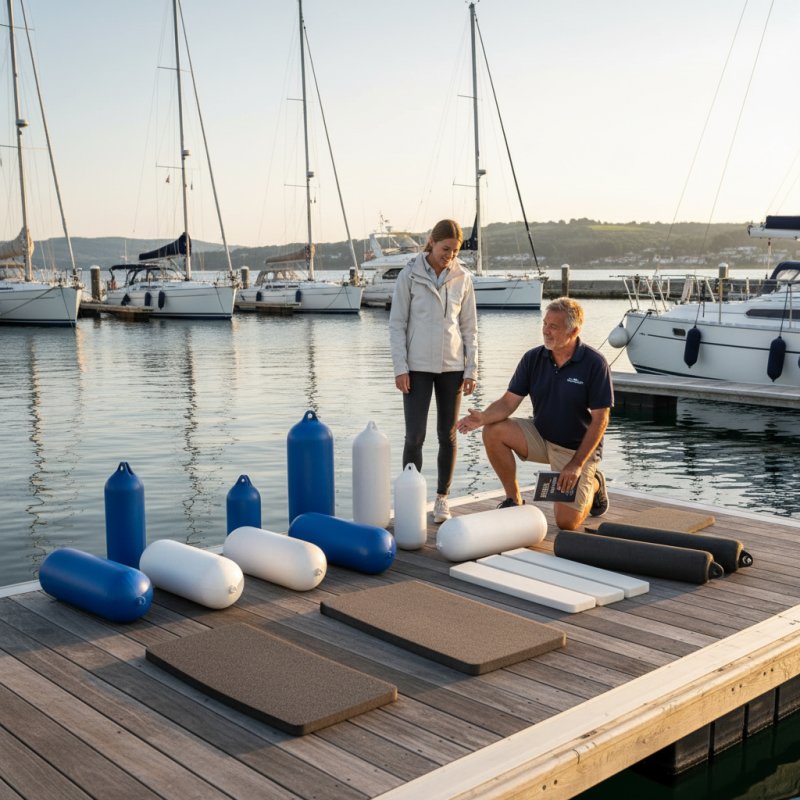
When it comes to protecting your boat during docking or mooring, choosing the right fender is essential. Boat fenders are available in various types, each designed to perform specific functions and to accommodate different vessel sizes. The most common types include cylindrical fenders, flat fenders, and spherical fenders.
Cylindrical fenders are widely used due to their versatility and ability to absorb impact effectively, making them suitable for both small and large boats. Flat fenders, on the other hand, are ideal for larger vessels, providing a larger surface area for effective protection against the dock or another boat. Spherical fenders, known for their durability and strength, are often used in commercial applications where robustness is necessary.
According to a report by the National Marine Manufacturers Association (NMMA), over 12 million recreational boats are registered in the United States alone, which highlights the significant demand for quality marine safety equipment, including fenders. The choice of fender should also consider factors such as material. Most fenders are made from durable marine-grade vinyl or rubber, ensuring they withstand harsh marine environments.
Recent industry trends suggest an increasing preference for Inflatable Fenders due to their lightweight and compact nature, which makes them easier to store and deploy. Ultimately, the right selection will depend on the specific needs of the boat owner and the typical docking conditions they encounter.
Boat fenders play a crucial role in protecting vessels from damage when docking or anchoring, and their effectiveness largely depends on the materials used in their manufacturing. The most common materials include foam, vinyl, and rubber. Foam fenders are lightweight and provide good buoyancy, making them suitable for smaller boats and temporary uses. On the other hand, vinyl fenders are popular due to their resistance to UV light and abrasion, which enhances their longevity. According to a report by the International Marine Organization, approximately 60%of marine fender manufacturers worldwide utilize PVC vinyl for its durability and cost-effectiveness.
When choosing the best boat fender, it's essential to consider the material not only for durability but also for the specific conditions in which it will be used. For example, rubber fenders tend to offer superior energy absorption and are often used in commercial shipping. In contrast, for recreational boaters, a lightweight foam fender would be more practical.
Tips: Always opt for the right size fender for your boat. A general rule is to choose a fender that is 1/4 of the boat’s width to provide adequate protection. Additionally, keep an eye on the weather conditions; fenders made from high-quality materials like closed-cell foam can hold up better in rough waters. Regular maintenance also extends the life of your fender; make sure to clean it periodically to prevent any buildup of salt or debris that could cause wear over time.
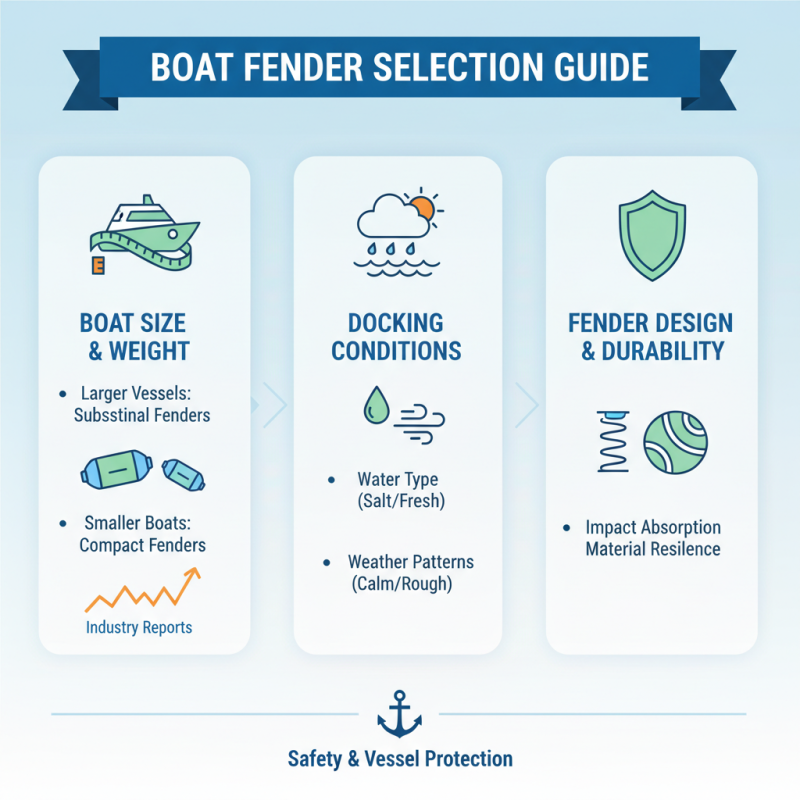
When selecting boat fenders, several factors play a crucial role in ensuring safety and protection for your vessel. First and foremost, consider the size and weight of your boat. According to industry reports, larger vessels require more substantial fenders to absorb impact and prevent damage, whereas smaller boats can utilize lighter, more compact options. You should also assess the typical docking conditions, including the type of water and common weather patterns in your area, as these will influence the design and durability needed for your fenders.
Another key factor is material. Most boat fenders are made from PVC, rubber, or foam, each offering unique benefits. A study by the Marine Industry Association emphasizes that while PVC fenders are cost-effective and versatile, rubber fenders provide better resilience against wear and tear. An understanding of how materials respond to UV exposure and saltwater will also inform your choice, as some may degrade faster than others, necessitating more frequent replacements.
Tips for choosing the best boat fender include regularly inspecting your fenders for signs of wear, particularly after harsh weather conditions. It’s also wise to position them correctly; placing fenders at the right height will significantly enhance their effectiveness in protecting your boat. Finally, consider investing in fenders with built-in features, such as inflation control, which can add convenience and save costs in the long run.
When selecting the appropriate boat fenders for your vessel, proper sizing is essential to ensure effective protection against dock damage and abrasion. The size of the fender should correlate with both the length of the boat and the water conditions it will encounter. According to the National Marine Manufacturers Association (NMMA), a general rule of thumb is to choose fenders that are approximately 1 inch in diameter for every 4 feet of boat length. For larger vessels, this ratio can be adjusted, taking into account heightened exposure to waves and wind, which might necessitate larger fenders or more fenders for adequate coverage.
Furthermore, understanding the placement and type of fender is crucial. In turbulent waters or during docking maneuvers, fender placement should be strategic to absorb impacts effectively. A 2019 report from the American Boat and Yacht Council (ABYC) highlights that using multiple fenders across different points of contact can significantly reduce stress on the hull and prevent potential damage.
It is also advisable to consider the specific material of the fender, as polyethylene fenders are known for their durability in harsh marine environments, while inflatable options can offer versatility for smaller crafts. Ultimately, having the right size and type of fender can enhance the safety of your boat and prolong its life.
Proper fender placement and installation are crucial for protecting your boat from damage when docked or moored. The first step is to understand the types of fenders you will be using, as this will influence their positioning. Ideally, fenders should be placed at the points where your boat will come into contact with the dock or other vessels. This typically includes the bow, stern, and midship. For larger boats, additional fenders may be necessary to provide sufficient coverage.
When installing fenders, it’s important to adjust their height according to the tide levels. Position them so that they will make contact with the dock or another boat during varying water levels, preventing any chance of your boat bumping against hard surfaces.
Secure fenders properly using lines that are of adequate strength, ensuring they won't slip or detach during use. Regularly checking the condition of both the fenders and the lines is also essential, as wear and tear can compromise their effectiveness. Ultimately, taking the time to install your fenders correctly will enhance the safety and longevity of your boat.
Maintaining your boat fenders is essential for ensuring they last through numerous seasons of boating adventures.
Regular inspections should be part of your routine, as wear and tear can significantly reduce their effectiveness. According to a report by the National Marine Manufacturers Association, approximately 75% of boat damage occurs from improper fender usage or neglect. To combat this, it is crucial to check for sun damage, wear from friction against the dock, and any signs of air loss in inflatable fenders.
Cleaning your fenders regularly can also enhance their lifespan. Saltwater, algae, and barnacles can accumulate and degrade the material over time. Using a gentle soap solution and a soft scrub brush, you can effectively remove these contaminants.
Additionally, storing them properly when not in use is important. Professionals recommend securing fenders in a cool, dry place out of direct sunlight to prevent UV degradation. The American Boat and Yacht Council emphasizes that proper storage practices can extend the life of fenders by up to 20%, ensuring they remain reliable when you need them most.
When selecting boat fenders, many boaters fall into common traps that can lead to inadequate protection for their vessels. One prevalent mistake is underestimating the size and type of fender needed for the specific boat and docking conditions. According to the National Marine Manufacturers Association, nearly 40% of boaters do not consider their boat's weight and dimensions when choosing fenders, which can result in insufficient cushioning during docking or mooring. Choosing the right fender involves assessing both your boat's specifications and your primary mooring environments, such as marinas or rough waters.
Another frequent oversight is neglecting to account for the material and construction of the fender. A 2021 Boating Industry report highlights that fender durability is crucial, as softer materials may wear out too quickly or fail under pressure, compromising boat safety. Opting for high-quality, UV-resistant materials not only extends the lifespan of the fender but also enhances its performance against harsh marine conditions.
Tips to avoid these common mistakes include measuring your boat's width and weight carefully before making a purchase and selecting a fender that is around 25% of its width for optimal protection. Additionally, consider investing in fenders with built-in features such as reinforced attachments and higher buoyancy, which can significantly improve your boat's safety during docking maneuvers. By being aware of these pitfalls and following best practices, you can make an informed decision that leads to a more secure and enjoyable boating experience.
When it comes to ensuring the safety and aesthetic appeal of medium-sized yachts and Inflatable Boats measuring between 15 to 25 feet, the role of high-quality inflatable fenders cannot be overstated. These essential accessories provide both protection against impacts and add a touch of elegance to any vessel. Among the notable innovations in this space is a newly designed inflatable fender crafted from robust PVC marine fabric, offering exceptional durability and resistance to UV rays and saltwater corrosion. This level of care not only preserves the beauty of the yacht but also extends its lifespan.
One of the standout features of this advanced inflatable fender is its lightweight and user-friendly design, making it accessible for boat owners of all experience levels. Weighing no more than a standard carry-on bag, it can be easily handled and transported. The patented rapid-inflation valve allows for quick setup, enabling a single person to fully inflate and install the fender in just three minutes. Moreover, when deflated, it compresses to one-fifth of its original size, simplifying storage in compact spaces or during transport between docking locations. This blend of practicality and innovation exemplifies how high-quality inflatable fenders contribute to maximizing yacht safety and aesthetics on the water.
: The most common types of boat fenders include cylindrical fenders, flat fenders, and spherical fenders, each designed for specific functions and vessel sizes.
Cylindrical fenders are versatile and suitable for both small and large boats, flat fenders are ideal for larger vessels as they provide a larger surface area, and spherical fenders are known for their durability and are often used in commercial applications.
A general guideline is to choose fenders that are approximately 1 inch in diameter for every 4 feet of boat length, adjusting for larger vessels based on environmental conditions.
Proper placement is crucial as it ensures that fenders absorb impacts effectively at points of contact with docks or other vessels, minimizing stress on the boat hull.
Fenders should be adjusted according to tide levels so that they make contact with the dock or another boat during varying water levels, protecting against impacts.
Most boat fenders are made from durable marine-grade vinyl or rubber; polyethylene is known for its durability in harsh environments, while inflatable options offer versatile storage and deployment for smaller crafts.
Regular checks are essential as wear and tear can compromise the effectiveness of both the fenders and the lines, ensuring continued protection for your boat.
Yes, for larger boats, multiple fenders may be necessary, placed at points of contact such as the bow, stern, and midship to provide adequate coverage.
Inflatable fenders are lightweight and compact, making them easier to store and deploy compared to traditional solid fenders.
Selecting the right size and type of fender enhances the safety of the boat by preventing damage during docking and can prolong the vessel's life through effective impact absorption.
The "Ultimate Guide to Boat Fender Types and Tips for Choosing the Best One" explores various aspects of boat fenders, emphasizing their essential role in protecting vessels during docking and mooring. The article provides an overview of common types of boat fenders, detailing the materials used in their construction and the advantages of each. It also outlines critical factors to consider when selecting the appropriate fender, such as size, placement, and installation techniques.
Moreover, the guide highlights best practices for ensuring effective fender placement and offers maintenance tips to extend their lifespan. Lastly, it identifies common mistakes boaters should avoid to enhance their experience and safeguard their boats effectively. By understanding these key elements, boat owners can make informed decisions that enhance the safety and longevity of their vessels with the right boat fender choices.