When it comes to sailing, picking the right Sailboat Fenders is super important. They really help protect your boat from damage and make docking safer and smoother. But here’s the deal – a lot of folks around the globe run into some real headaches when it comes to after-sales service and those pesky maintenance costs tied to these must-have marine gadgets. It’s crucial to know about these things if you want to make a smart buying decision, right? At Qingdao Ilife Industries Co., Ltd., we totally get this. That’s why we’re all about not just offering top-notch products, but also creating a full-blown service system to tackle these worries head-on. With our solid technical skills, we make sure our customers get reliable support and maintenance solutions, which, let’s be honest, definitely enhances their experience with sailboat fenders. In this blog, we’re going to dive into some of the common issues buyers face and how strong after-sales service can really help ease those challenges. This just reinforces why partnering with a trusted name like Qingdao Ilife Industries Co., Ltd. is such a smart move in today’s global market.
Challenges in Choosing the Right Sailboat Fenders for Global Markets
Choosing the right sailboat fenders can honestly feel pretty overwhelming, especially for folks shopping from all around the world. There's just so much variety out there! You've got to think about things like size, material, and design. These factors can really affect how well they work, how long they last, and of course, how much they cost. Plus, it’s super important to think about where you’ll be sailing—are you hanging out in a busy marina or heading out into the wide open sea? Those details will really shape what kind of fender you need.
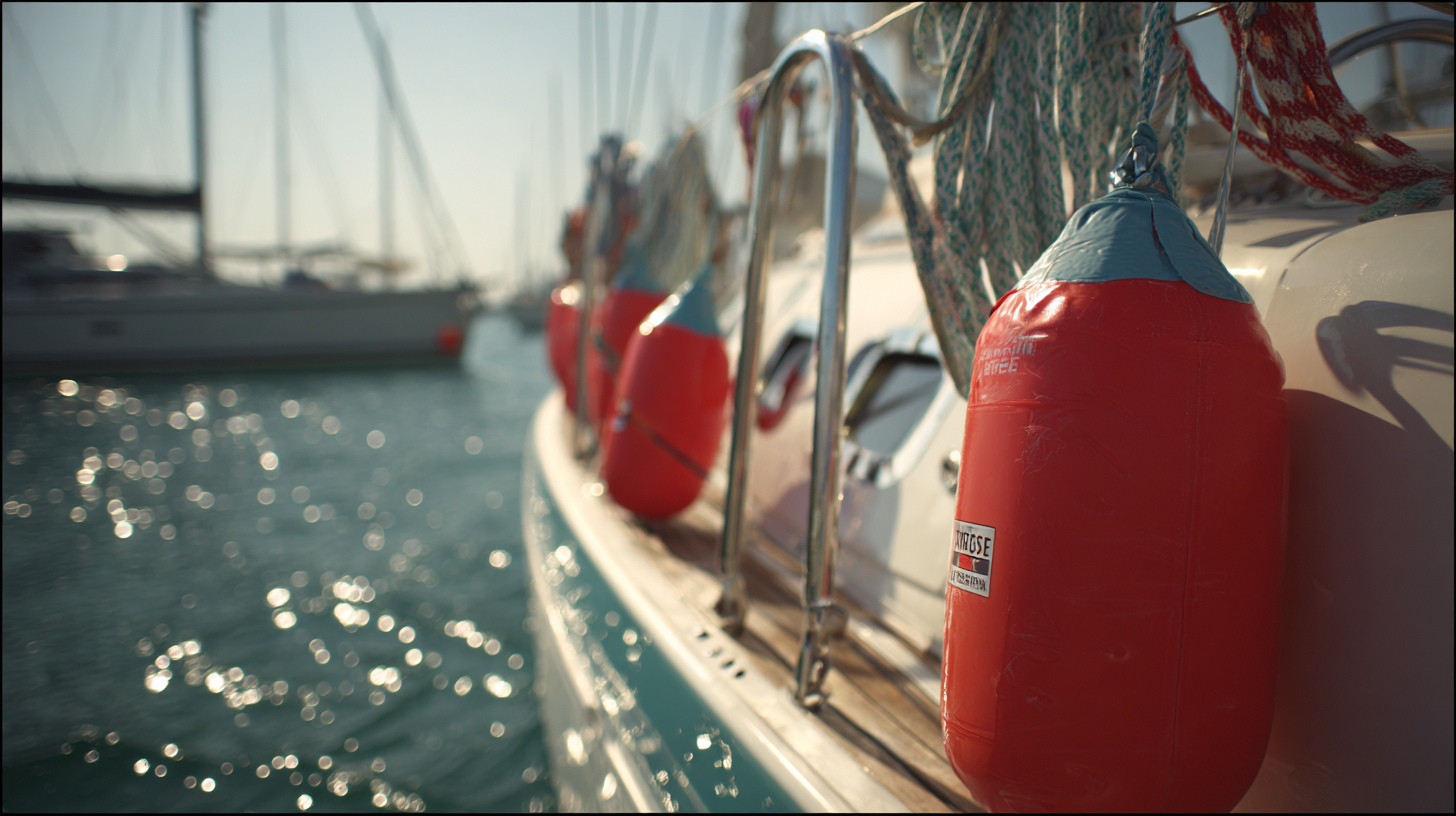
When picking out fenders, keep in mind how their diameter and length measure up to your sailboat. A good general rule is to go for a fender that’s about a third the length of your boat and at least six inches wide. That way, you'll be well protected! And don't forget about the material. Inflatable Fenders are a breeze to handle and stash, while foam-filled ones can take a bit more of a beating and resist punctures better.
To make sure you’re making a solid choice, it really helps to compare a few different brands and check out what other users have to say. They can offer some valuable insights on how the fenders perform and hold up over time. Always keep your own sailing conditions in mind—like how high the waves might get or how strong the winds are—so you don’t end up with fenders that just won’t cut it for your needs.
Analyzing the Impact of Material Composition on Fender Durability and Performance
Okay, so when you're picking out sailboat fenders, the material really matters—it’s key for both how long they'll last and how well they'll do their job. You’ve got a few options like PVC, polyurethane, and foam, each with its own perks. Take PVC fenders, for instance; they're super lightweight and budget-friendly, which is awesome if you're a casual sailor. Just keep in mind that they might not hold up as well in really harsh marine conditions compared to some tougher choices.
Now, if you’re going for something more durable, polyurethane fenders are the way to go. They’re built to last and can handle frequent use and rougher conditions. Plus, they resist punctures and abrasion, so they’ll stick around for longer—definitely a smart investment if you're out on the water a lot. And then there are foam fenders; they’re not as common but have their own cool advantages—like being lightweight while still being super buoyant, so they do their job without soaking up water. Knowing these different materials can really help sailors from all over make choices that are just right for their sailing adventures.

Key Metrics: Understanding the Size and Weight Standards for Sailboat Fenders
Picking the right sailboat fenders can be a bit of a challenge, but it’s super important for keeping your boat safe, you know? First off, you’ll want to pay attention to size and weight. According to the experts, fenders usually range from about 6 to 12 inches in diameter, depending on how big your boat is and what kind of conditions you usually sail in. For example, if you’ve got a 30-foot sailboat, fenders in the 8 to 10-inch range are typically your best bet. And if you have a bigger boat? Well, you might want to go for fenders that are at least 10 inches or more. Getting the sizing right is really crucial—if the fenders are too small or not the right fit, they won’t cushion your boat properly when you’re docking, which could lead to some serious hull damage, and nobody wants that!
Now, let's talk about weight. It’s another biggie that affects how well your fenders work. Like, there are studies that suggest an ideal weight that keeps your fender hanging just right—not too heavy, so you can deploy it easily, but heavy enough to stand up to those rough waters or high tides. For a 10-inch fender, you’d typically want it to weigh around 2.5 to 3.5 pounds. That way, it can handle the forces without being a hassle for the crew when it’s time to use it.
At Qingdao Ilife Industries Co., Ltd., we totally get how important these things are! That’s why we focus on making high-quality products that meet all these standards. We want our customers around the world to feel confident in our gear. Plus, our solid service system and know-how mean we can offer customized solutions for all your sailing needs. So, no matter what you’re looking for, we’ve got you covered!
Cost-Effectiveness: Evaluating Price vs. Quality in Sailboat Fender Options
So, when you're shopping for sailboat fenders, it’s really important to think about that tricky balance between getting a good deal and ensuring quality. You know, according to a report from the National Marine Manufacturers Association (NMMA), almost half of boat owners actually care more about durability than saving a few bucks when it comes to gear for their boats. This really highlights something key: while those cheaper fenders might look like a steal at first, they often just don’t hold up in tough marine conditions.
Now, if we're talking materials, high-quality PVC or polyurethane fenders are where it’s at—they offer awesome impact resistance and UV protection, which means you won’t have to replace them nearly as often. The same NMMA report suggests that shelling out an extra 20% to 30% for premium fenders can seriously boost both their lifespan and your safety. In contrast, those budget fenders? They might only last you through one season, and then you’re stuck dealing with unexpected costs that really throw off your savings. So, getting a handle on the trade-offs between price and quality is super important for any boater trying to make smart choices in a market that’s just packed with different fender options.
Understanding the Issues Faced with Sailboat Fenders
This chart compares various sailboat fender options based on their price and quality ratings. Buyers can analyze the cost-effectiveness of each option to make informed purchasing decisions.
Identifying Regional Preferences: Customizing Fenders for Diverse Nautical Conditions
Okay, so let's talk about sailboat fenders for a minute. If you're thinking about buying one, it’s super important to know about the different water conditions in various areas. Each spot has its own set of challenges that can really influence what kind of fenders you might need. For example, if you’re sailing in a coastal area with strong currents, you’re probably gonna want something larger and more buoyant—something that can take a beating, you know? On the flip side, if you're cruising in calmer inland waters, smaller and lighter fenders might do the trick just fine, making them easier to handle overall. As preferences in different regions change, we think it’s vital for manufacturers to step up and offer custom solutions that really fit the needs of local sailors.
Over at Qingdao Ilife Industries Co., Ltd., we totally get that! We’re all about adapting our fender products to meet the varied needs of sailors from around the world. Not only do we pride ourselves on high-quality products, but we’ve also put a solid service system in place that ensures you get personalized support to help you choose the right fender. Plus, we’re constantly listening to customer feedback and innovating from there. This way, we don’t just keep our good name; we’re also making sure our global customers get the perfect fenders for their unique sailing adventures.
Technological Innovations: Future Trends in Sailboat Fender Design and Functionality
You know, the world of sailboat fenders is really changing these days! It’s all about the new tech that’s coming in to boost both design and functionality. I’ve seen some pretty cool reports, especially from the National Marine Manufacturers Association, that show there’s a growing trend toward using advanced materials. These materials are not just super durable but also lightweight, which is a nice combo! For example, we’re seeing more fenders made from UV-resistant fabrics and tougher PVC compounds. This stuff is helping fenders last longer and handle those tough marine conditions we all know too well. And let’s face it – sailors are getting really excited about inflatable designs because they’re so easy to store and set up when you need them. Practicality is the name of the game here!
Oh, and here’s a tip for you: When you’re picking out a sailboat fender, definitely look for ones that have antimicrobial treatments. They really help keep mold and mildew at bay, so your gear stays clean and performs well for a longer time.
Plus, there’s this cool new trend with smart fenders that have sensors built in. These high-tech fenders can actually monitor pressure levels and let you know when it’s time to give them a little TLC. According to a study by Grand View Research – and get this – the market for smart marine accessories is expected to grow quite a bit, with a compound annual growth rate of over 10% for the next five years. Exciting stuff, right?
And while we’re on the subject, give some thought to fenders that come with added safety features, like reflective strips and warning lights. They’re super handy, especially when you’re docking at night.
Looking ahead, it’s awesome to see the industry moving toward sustainability with sailboat fenders made from recyclable materials. This shift is definitely a step in the right direction and aligns nicely with the global push for a healthier planet.
Understanding the Issues Faced with Sailboat Fenders for Worldwide Buyers - Technological Innovations: Future Trends in Sailboat Fender Design and Functionality
| Feature | Current Status | Technological Innovation | Future Trends |
| Material Durability | Good, but prone to UV degradation | Introduction of UV-resistant materials | Nanotechnology for enhanced longevity |
| Inflation Method | Manual inflation | Battery-operated inflators | Automatic inflation systems with sensors |
| Customizability | Limited color/size options | 3D printing for personalized designs | Customizable tech with IoT functionalities |
| Weight | Moderate weight for portability | Utilization of lightweight composites | Advanced materials reducing weight without compromising strength |
| Environmental Impact | Average recyclability | Development of biodegradable fenders | Eco-friendly materials becoming industry standard |
FAQS
: Nearly 50% of boat owners prioritize durability over price when selecting accessories for their vessels.
Cheaper fenders may seem financially appealing initially but often lack the longevity and performance required in harsh marine environments, leading to unexpected expenses that outweigh initial savings.
High-quality PVC or polyurethane fenders are recommended as they offer superior impact resistance and UV protection, translating to fewer replacements over time.
Investing an extra 20% to 30% in premium fender options can enhance both lifespan and safety for long-term users.
Innovations include advanced materials for durability, inflatable designs for easy storage, and smart fenders equipped with sensors to monitor pressure levels.
The market for smart marine accessories is expected to grow at a compound annual growth rate of over 10% through the next five years.
Fenders with integrated safety features, such as reflective strips and warning lights, can enhance visibility during night docking.
Antimicrobial treatments help prevent mold and mildew, ensuring that equipment remains clean and effective for longer periods.
There is a growing trend towards sustainability in sailboat fender production, with an emphasis on using recyclable materials in line with global environmental goals.