You know, making high-quality Boat Fenders is super important in the marine industry, but it definitely comes with its fair share of challenges. A recent report from the Marine Equipment Trade Associationeven predicts that the global marine fender market is gonna hit a whopping$2.1 billion by 2026! That really shows how much people are looking for reliable and efficient products these days. But companies like Qingdao Ilife Industries Co., Ltd. have a tough time keeping up with those strict quality standards while still staying competitive on price. It’s no easy feat!
Still, Qingdao Ilife has built a solid reputation for exceptional product quality and a killer service system, alongside some serious technical expertise. They've gained a lot of trust both at home and abroad.
So in this blog, we’re gonna dive into some of these challenges and talk about why sticking to industry standards is crucial for safety and performance when it comes to producing boat fenders.
Understanding Industry Standards for Boat Fender Production
You know, meeting industry standards in boat fender production is no small feat for manufacturers like Qingdao Ilife Industries Co., Ltd. It's super important to really grasp these standards because they don't just keep our products safe and performing well—they also play a huge role in how we stack up against competitors. These standards cover a bunch of different areas, like material quality, durability, and even the environmental impact of our products. And let me tell you, with the various regulations out there, it can get pretty complicated. That’s why a solid understanding and a rigorous compliance process are so crucial—it shapes the whole production cycle.
Here at Qingdao Ilife Industries Co., Ltd., we’re all about top-notch product quality, which is why we’ve become a leader in the boat fender scene. Thanks to our strong technical skills, we keep finding new and better ways to streamline our production while making sure we meet or even exceed industry standards. Plus, our all-encompassing service system really helps us connect with our clients, building their trust in what we offer. By putting quality first and sticking to those all-important industry standards, we’re not just enhancing our reputation at home and abroad—we’re also making boating safer and more sustainable for everyone.
Common Challenges in Material Sourcing for Boat Fenders
You know, keeping up with industry standards in boat fender production is no walk in the park—it really can be quite a challenge, especially when it comes to finding the right materials. The quality of what goes into these fenders has a huge impact on how well they hold up out there in tough marine conditions. I came across a report from the Marine Industry Association that mentioned a whopping 60% of boat fender failures are due to poor material choices. That's a big deal! Companies like Qingdao Ilife Industries Co., Ltd. are really standing out because they focus on product quality, which is super important for tackling these kinds of issues.
One major headache is that the availability of top-notch raw materials can really fluctuate. With the global supply chain getting all sorts of disruptions lately—thanks to various economic factors—it’s getting trickier for manufacturers to find reliable sources. It’s not just a massive logistical headache; it also puts them at risk of falling out of line with international standards. If you're a company trying to navigate this, it might help to build strategic partnerships with trusted suppliers, keep your quality checks regular, and maybe even look into new tech for better material testing.
And let’s not ignore the hassle of keeping up with industry regulations. A report from the International BoatBuilders' Exhibition noted that around 45% of manufacturers are struggling to stay on top of these constantly changing guidelines. To make life a bit easier, companies should definitely keep themselves updated on industry standards and take part in training programs. Taking a proactive stance on compliance can really help avoid potential bumps in the road, and it builds trust with clients and partners. Plus, it boosts a company’s reputation both at home and abroad.
Best Practices for Quality Control in Fender Manufacturing
In the fender manufacturing game, keeping up with industry standards for quality control is super important if you want to ensure your products are reliable and your customers are happy. A report from a top analytics firm shows that about 85% of shoppers really care about quality assurance when they’re out buying boat accessories. So, it’s not just a guideline — it’s something companies really need to focus on. Having solid quality management systems in place can help spot and fix any potential defects in fender production, from picking the right materials all the way through to those final inspections. This not only helps keep the brand’s reputation intact but also cuts down on warranty claims, which is a win-win!
And you know what? Using advanced technologies like automated inspection systems and real-time data analytics has been a game changer for quality assurance in fender manufacturing. There’s even a study that found manufacturers who embraced these innovations saw a drop in production errors by up to 30%. By fostering a culture of continuous improvement and sticking to high-quality standards, companies don’t just make better products; they also boost their competitiveness in the market.
Innovative Technologies to Overcome Production Hurdles
You know, in the world of boat fender production, things can get pretty tough for manufacturers. They’ve got to juggle sticking to industry standards while also trying to keep up with what consumers actually want. A lot of these challenges come from the old-school manufacturing methods, which honestly can be kind of clunky and not always the best way to use materials effectively. I came across this report from the International Marine Industry Association not too long ago, and it mentions that the global market for marine fenders is likely to grow over 5% every year. That really shows how essential it is for companies to step up their game and find better production methods to keep up with that demand.
So, here’s the good news! There’s some cool tech out there that’s really making waves in tackling these production issues. By bringing in automation and some fancy materials science, companies can streamline their operations. This means they can churn out high-quality fenders that meet those tough industry standards we talked about.
Take 3D printing, for example—companies using it have seen less waste and lower costs, with some even boosting their production efficiency by 30%! On top of that, smart manufacturing systems are giving real-time data analysis so manufacturers can tweak their processes on the fly and cut down on defects. Pretty neat, right? As the industry keeps evolving, it’s gonna be super important to embrace these innovative solutions if companies want to stay ahead of the competition while still producing sturdy and reliable boat fenders.
Tips for Ensuring Compliance with Marine Regulations
You know, meeting industry standards in boat fender production is super important, but let’s be real—lots of manufacturers run into issues trying to stay compliant with marine regulations. One solid way to tackle this is by keeping up with the latest rules from maritime authorities. If they check in regularly with organizations like ASTM International and the International Maritime Organization, it's a huge help in adjusting their processes and materials to hit those compliance marks. Plus, getting involved with industry associations can give some valuable insights into the best practices and the latest trends in regulatory changes.
Another key tip is to set up a strong quality management system. This means having really tight quality control at every step of the production process, right from picking out materials to that final inspection before everything goes out the door. And, hey, regular training sessions for the staff are a must—they need to get why compliance is a big deal and how to nail it. Using advanced testing methods is a smart move too, as these can really verify that the fenders meet performance standards, cutting down the risk of non-compliance and boosting safety on the water.
Challenges in Meeting Industry Standards for Best Boat Fender Production - Tips for Ensuring Compliance with Marine Regulations
| Challenge | Impact | Compliance Tips | Regulatory Body |
| Material Quality | Compromised product durability | Ensure materials meet ASTM standards | ASTM International |
| Sizing and Dimensions | Incompatibility with boat sizes | Follow ISO size specifications | ISO (International Organization for Standardization) |
| Environmental Regulations | Legal penalties and environmental harm | Adhere to EPA guidelines | EPA (Environmental Protection Agency) |
| Testing Procedures | Delayed production | Implement standardized testing protocols | UL (Underwriters Laboratories) |
| Certification | Limited market access | Obtain necessary certifications before market entry | CE (Conformité Européenne) |
Future Trends in Boat Fender Design and Production Standards
You know, the boating industry is really changing, and along with that, the way we think about boat fender design and production is evolving too. Looking ahead, there's a clear trend towards sustainability. More and more manufacturers are turning their attention to eco-friendly materials. We’re going to see biodegradable and recyclable composites take center stage. Not only do these materials protect boats better, but they also help reduce our impact on the planet. Companies that get on board with these new ideas will not only boost their reputation but also attract customers who really care about the environment.
Oh, and here's a tip: teaming up with material scientists could be a game-changer for exploring exciting new sustainable options. By testing out prototypes made from eco-friendly materials, your brand could really stand out and stay competitive.
And let’s not forget about tech—it's going to be a big player in creating smarter fender designs. Imagine manufacturers incorporating smart technology that can actually monitor and adjust how fenders perform in real-time. That would definitely up the safety game on the water! We might see things like automatic inflation systems that kick in based on different conditions, giving boaters a level of customization we haven’t really seen before.
So, keep your eyes peeled for emerging technologies that might make manufacturing a breeze and improve how products perform. Partnering with tech companies can give you some fresh ideas on how to blend smart solutions into your boat fender production.
Challenges in Meeting Industry Standards for Best Boat Fender Production
Boost Your Boating Safety: Exploring the Impact of Quality Fendering Systems Like iLife Oem Inflatable Boat Fender on Vessel Protection
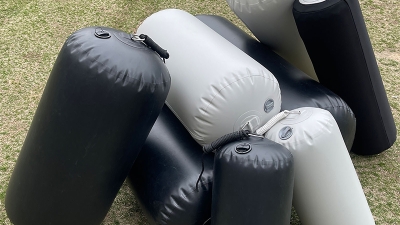
When it comes to boating safety, the importance of quality fendering systems cannot be overstated. An effective fendering solution not only protects your vessel from impacts but also ensures peace of mind while out on the water. One standout option is the iLife OEM Inflatable Boat Fender, designed with high-strength polyvinyl chloride (PVC) coated fabric. This material is specifically engineered to endure the harsh marine environment, boasting exceptional properties such as tear resistance, UV resistance, and waterproofing. According to industry reports, using robust fendering systems can reduce vessel damage by up to 30%, highlighting their critical role in safe maritime operations.
Available in various sizes and colors, the iLife inflatable fender can cater to the diverse needs of boaters. The corrosion resistance to both salt and alkali ensures longevity, making these fenders a wise investment for anyone looking to enhance their boating safety. With boating accidents leading to significant economic losses—estimated at billions annually—it's clear that integrating quality fender systems is essential for all vessel owners. As boating activities continue to rise, prioritizing fendering materials that withstand the test of time and conditions can significantly protect both the vessel and its occupants.
FAQS
: The primary challenges include fluctuating availability of high-quality raw materials and compliance with evolving industry standards, significantly impacted by global supply chain disruptions.
Material quality directly impacts the durability and performance of fenders, with approximately 60% of failures attributed to poor material selection.
Companies can develop strategic partnerships with trusted suppliers, conduct regular quality assessments, and invest in technological advancements for better material testing.
Compliance is crucial, as about 45% of manufacturers struggle to keep up with evolving guidelines, which can impact their reputation and market trust.
Quality control is vital because up to 85% of consumers prioritize quality assurance when purchasing boat accessories, directly affecting customer satisfaction and brand reputation.
Advanced technologies such as automated inspection systems and real-time data analytics are streamlining quality assurance, reducing production errors by as much as 30%.
Manufacturers are integrating innovative technologies like automation and advanced materials science to enhance production and meet industry standards more effectively.
3D printing can reduce waste, lower costs, and improve production efficiency by up to 30%, allowing for optimal material usage.
Companies can implement rigorous quality standards and encourage ongoing training and development among staff to actively enhance product quality.
The global market for marine fenders is projected to grow by over 5% annually, highlighting the need for innovative production methods to meet increasing demand.