You know, the sailing industry is really changing these days, and picking the right Sailboat Fenders is becoming super important. Especially as we head into 2025, when things are expected to really take off. A recent report from the National Marine Manufacturers Association mentioned that the demand for top-notch marine accessories, including fenders, is likely to jump by over 15% in the next few years. This growth is fueled by both recreational sailing enthusiasts and the commercial shipping folks. That's where we come in! Qingdao Ilife Industries Co., Ltd. is ready to rise to the occasion with our awesome product quality and solid service. People trust us, both at home and abroad, because we know how to deliver the best Sailboat Fenders that fit all sorts of sailing needs. So, in this guide, we’re here to share some tips that’ll help you make smart choices while you navigate the ever-changing waters of the sailing world.
Market Insights: Sailing Industry Projections for 2025 and Beyond
Hey there, fellow sailing enthusiast! If you’re anything like me, you probably can’t wait to ride the waves in the years to come. The sailing industry is really buzzing with expected growth, and when we look at projections for 2025 and beyond, it’s clear that more boat lovers like us are diving into the scene. That means there’s gonna be a bigger demand for quality gear, and sailboat fenders are definitely on that list.
So, how do you choose the right fenders? Well, first off, think about your boat’s size and weight. If you’ve got a larger, heavier boat, you’ll want sturdier fenders to take some hits during docking or mooring. Nobody likes a nasty surprise when you're pulling in! And hey, if you're sailing regularly under the sun, it’s worth investing in fenders with UV protection. They’ll last a lot longer and save you some headaches down the line.
Also, don’t forget to consider the materials and design of the fenders. Inflatable Fenders are super lightweight and easy to stash away, so they’re perfect for smaller boats or if you’re just sailing for fun. But if you’re more into serious sailing with a bigger yacht,solid rubber fenders are the way to go for that extra durability and protection. Just knowing about these different options—and their pros and cons—can really help you make choices that fit your sailing style and keep up with what’s popular in the market right now.
Understanding the Different Types of Sailboat Fenders: A Comprehensive Overview
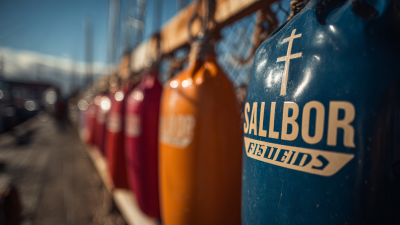
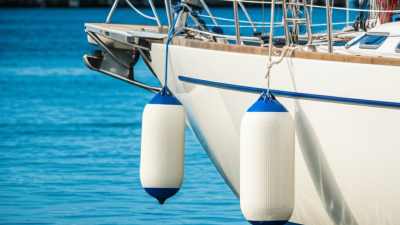
Choosing the right sailboat fenders can be a bit of a task, but getting to know the different types out there is super important for keeping your boat safe and sound. Basically, you’ve got three main kinds of fenders: cylindrical, ball, and inflatable. Now, cylindrical fenders are pretty popular in marinas. Their shape gives them a nice, solid cushioning effect, and they come in all sorts of sizes, from around 6 inches to over 24 inches in diameter. In fact, according to a report from the National Marine Manufacturers Association (NMMA) in 2022, cylindrical fenders make up almost 54% of the fender market—definitely a favorite among sailors!
Then we have ball fenders. These guys are super versatile; you can use them whether you’re docking horizontally or vertically. Thanks to their rounded shape, they do a great job of evenly absorbing impact, which is super handy when you’re pulling into a dock at odd angles. A study from the Boating Industry Journal even showed that ball fenders have snagged a 30% market share with performance-focused sailors who love their innovative designs and ease of use.
And don’t forget about inflatable fenders—they’re a real lifesaver for anyone short on storage space on their boat. You can easily inflate and deflate them, which keeps things light and less cluttered. Research from the Marine Equipment Manufacturers Association points to a rising trend here, as more sailors are opting for inflatable fenders because of their practicality, especially in competitive sailing scenarios. Knowing the ins and outs of these options helps sailors pick the right fender, which is all about keeping their boats safe and ensuring they last for the long haul.
Key Factors to Consider When Selecting Sailboat Fenders for Your Needs
Choosing the right fenders for your sailboat isn’t just a checkbox on a list; it’s super important for keeping your boat safe and sound. First things first, you want to make sure the size and shape of the fender fit your boat and the specific docking situation you’re in. Interestingly, a report from the National Marine Manufacturers Association back in 2021 found that almost 60% of sailboat owners said they faced extra damage because their fenders were the wrong size. So, getting a good grasp on your boat’s freeboard and how its weight is distributed can really help you avoid pesky collisions and scrapes.
Then there’s the material and design to think about. You really can’t go wrong with marine-grade stuff like PVC or polyethylene—they’re tough as nails and can stand up to UV rays like a champ, which is key if you want them to last. Plus, a survey from BoatUS in 2022 showed that about 75% of sailors were fans of inflatable fenders. They love them for being lightweight and easy to stash away when not in use. Don’t forget to check out features like inflation methods, tie-downs, and even color options, since they can make a big difference in both how your fender performs and how it looks. Trust me, getting these choices right not only protects your boat but also makes your sailing adventure that much better!
Comparative Analysis: Material Durability and Performance of Sailboat Fenders
Choosing the right sailboat fenders can really make a difference when it comes to how long they last and how well they do their job. So, let’s talk about the materials you'll find out there – you've got options like vinyl, rubber, and foam. Now, vinyl fenders are pretty popular, and for good reason! They stand up really well against UV rays and all the nasty weather out there, which means they can stick around for a long time and keep your boat safe. Plus, they’re flexible enough to absorb impacts nicely, making them a solid pick whether you’re docking or rafting up with other boats.
On the flip side, rubber fenders are the tough guys; they handle rough impacts better, which can be super important if you’ve got a bigger boat or if you're sailing in places where conditions can get a bit wild. Just a heads-up though – while they’re tough, they don’t handle UV rays quite as well as vinyl, so if they’re always out in the sun, they might not last as long. And then there are foam fenders — they’re lightweight and do a great job of keeping your hull safe, with excellent buoyancy. Their closed-cell structure helps too, as it stops water from getting in and extends their lifespan. In the end, picking the right material really comes down to what you need for your sailing adventures, where you’ll be cruising, and how much protection your sailboat will need.
Comparative Analysis of Sailboat Fender Materials
Tips for Proper Maintenance and Care of Your Sailboat Fenders
So, let’s talk about sailboat fenders for a minute. Taking care of them is super important if you want your investment to really pay off and work like it should. I came across this industry report that said if you keep up with maintenance, you can actually extend the life of your fenders by as much as 50%. Crazy, right? It’s really all about checking for any signs of wear and tear, like cracks or scratches, that could affect how well they do their job. And hey, a little cleaning goes a long way! After each sail, just give them a wash with some mild soap and water. It helps get rid of all that gunk and keeps saltwater corrosion at bay.
And while we’re at it, storage matters, too! When you’re not on the water, make sure to stash your fenders in a cool, dry spot, away from sunlight. UV rays can really do a number on them, causing fading and wear over time. You might also think about snagging some fender covers for that extra layer of protection—they really can help them last longer. Oh, and don’t forget about inflation! If your fenders are under-inflated, they won’t soak up shocks like they should, but over-inflate them, and you could end up with burst seams. Yikes!
Lastly, keeping a little log of your fender maintenance is a smart move. Jotting down when you clean or check them can help you catch any issues before they turn into expensive fixes. Trust me, following these tips can really boost the performance and durability of your sailboat fenders, so your boat is protected and ready to go when the sailing season rolls around.
Expert Recommendations: Top Sailboat Fender Brands and Models in 2023
So, when you’re on the hunt for the best sailboat fenders to suit your sailing adventures, you really wanna pay attention to those top brands and models that have solid reputations for durability and performance. In 2023, there are some standout companies that are killing it with their innovative designs and trusty materials. For example, Taylor Made and West Marine are offering loads of options, really nailing down functional features like impact resistance and UV protection. Their fenders are built tough to handle the rough marine life, making sure your boat is safe whether it’s docked or moored to a buoy.
Plus, this year’s new models are all about making things easier to use and more versatile. Take the Taylor Made Super Cell fender, for instance—it's super lightweight but still tough enough for cruising or racing sailboats. And then there's the West Marine Inflatable fender, which offers great buoyancy in a nice compact design; it’s just the ticket for anyone trying to save space without missing out on protection. With so many fantastic choices out there, it’s pretty obvious that putting your money into decent fenders can really elevate your sailing game, making sure your boat stays safe from any dockside mishaps.
Ultimate Guide to Choosing the Best Sailboat Fenders for Your Sailing Needs
| Fender Type | Dimensions (inches) | Material | Recommended Use | Price Range (USD) |
| Inflatable Fender | 10 x 28 | PVC | Medium to Large Boats | $30 - $60 |
| Cone Fender | 15 x 30 | Polyethylene | Marinas and Docks | $50 - $80 |
| Buoy Fender | 8 x 20 | Rubber | Small to Medium Boats | $25 - $55 |
| Dock Fender | 12 x 12 | Foam | Fixed Docks | $40 - $70 |
| Round Fender | 6 x 36 | Vinyl | Wide Beam Boats | $20 - $50 |
FAQS
: You should consider your boat's size and weight, the conditions in which you typically sail, and whether you want UV protection to prolong the fender's lifespan.
The main types of sailboat fenders are cylindrical, ball, and inflatable fenders, each offering different benefits based on usage and vessel type.
Cylindrical fenders provide a stable cushioning effect, are available in various sizes, and account for nearly 54% of the fender market, making them widely used in marinas.
Ball fenders provide increased versatility, can be used in both vertical and horizontal applications, and evenly absorb impact, making them ideal for variable docking angles.
Inflatable fenders are space-saving, lightweight, and can be easily inflated and deflated, making them particularly practical for competitive sailing environments.
It is important to consider the durability and protection offered by the materials. Inflatable fenders are lightweight, while solid rubber fenders provide enhanced durability, especially for larger yachts.
Investing in fenders with UV protection can significantly prolong their lifespan, particularly for sailors who frequently operate in sunny climates.
The sailing industry is projected to grow, with increasing demand for quality fenders, driven by more enthusiasts entering the market.
The size of the fenders should be determined based on your boat's size and weight, with larger boats typically requiring sturdier and larger fenders for adequate protection.
Choosing the appropriate fender type ensures optimal vessel protection, preventing damage during docking or mooring and contributing to the longevity of your boat.