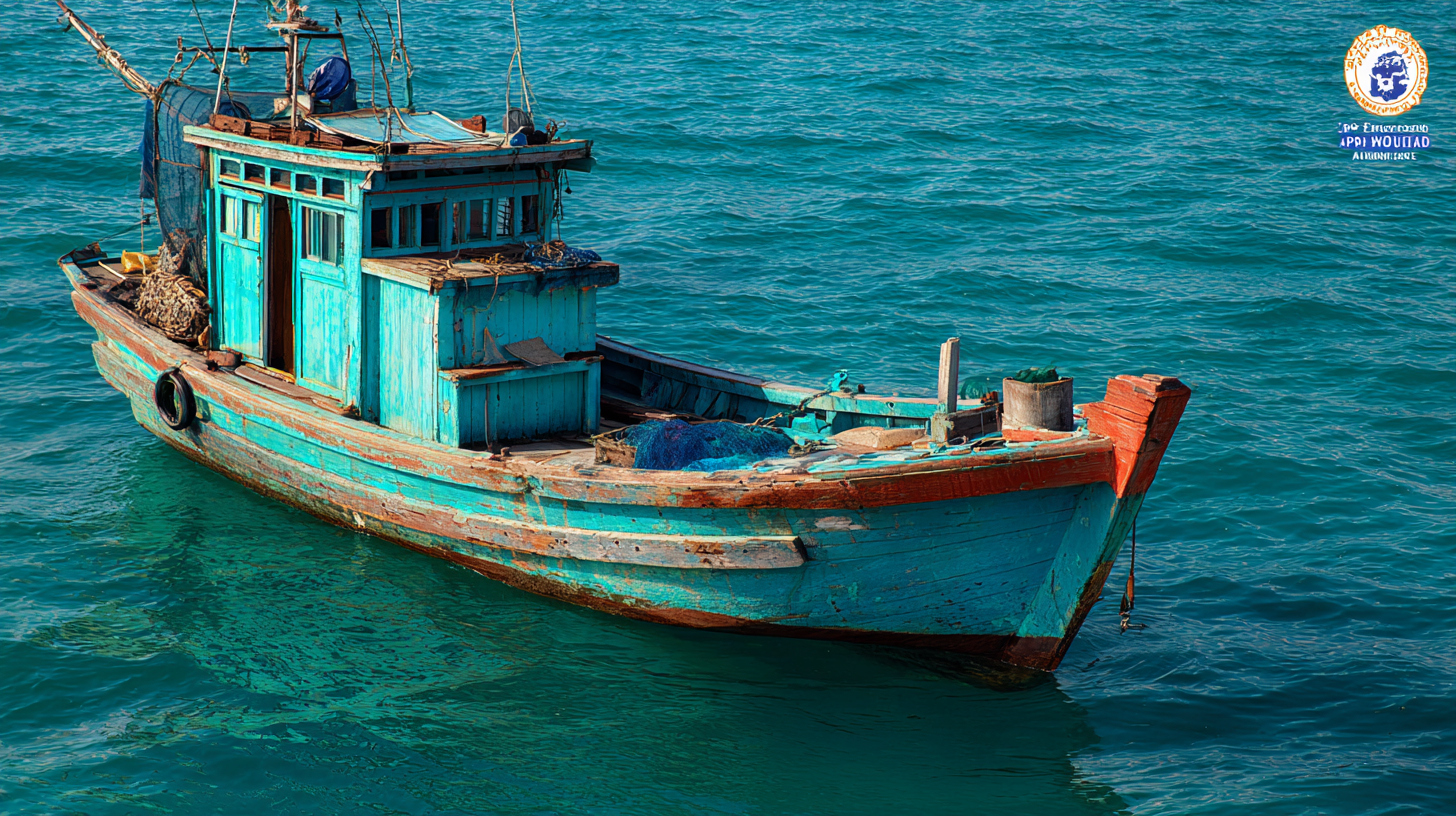
Diving into global fishing adventures is an exciting journey, but it takes more than just skills and a bit of patience—you really need the right equipment, especially a dependable Fishing Boat. When you're sifting through all the options out there, it’s super important to think about things like size, durability, and how well the boat works for the kind of fishing you want to do. That’s where Qingdao Ilife Industries Co., Ltd. comes into play. They’re really making a name for themselves by delivering top-notch quality and great service that meets the varied needs of anglers around the globe. Their technical expertise has earned them a solid reputation, both at home and abroad. In this blog, we’re going to dig into some solid strategies for picking the perfect fishing boat so you can make the most of your time on the water—both in catching fish and having a great time doing it!
Identifying Your Fishing Needs: Freshwater vs. Saltwater Adventures
So, if you’re thinking about the perfect fishing boat for your adventures around the globe, it’s super important to figure out what kind of fishing you’ll be doing—freshwater or saltwater. You’ll want to know this because, believe it or not, nearly 70% of boat owners are all about recreational fishing, and a good chunk of them stick to freshwater. When you're fishing in lakes and rivers, smaller boats that can zip around easily are often the way to go. That’s why you see so many folks opting for aluminum and bass boats. They’re lightweight and pretty agile, which means you can get to those hidden fishing spots that bigger boats just can't reach.
Now, if saltwater fishing is where your heart’s at, the game changes quite a bit. You need a boat that’s tough and built to handle the rough seas and salty air. Did you know that saltwater fishing brings in a whopping $20 billion to the U.S. economy every year? Crazy, right? If you’re planning to head offshore, fiberglass center-console boats are a popular choice. They offer great stability and loads of storage, plus they’re pretty good at tackling those bigger waves, which is perfect for going after species like tuna or marlin. So, keeping these differences in mind can really help you pick the right fishing boat for those unforgettable fishing trips you’ve been dreaming of!
Key Features to Consider When Selecting a Fishing Boat
So, if you're on the hunt for the perfect fishing boat for your adventures around the globe, you've got to think about a few key features that really match up with how you fish and where you plan to go. It's interesting to note that, according to the National Marine Manufacturers Association, fishing boat sales have shot up by 15% in the last year. That really highlights how important it is to pick a boat that fits your needs.
First off, let's talk size and capacity. You definitely don’t want a boat that's too tiny, or you could be cramped up while fishing. On the flip side, a huge boat can be a bit of a pain to handle in tighter spots. Ideally, you'd want a boat that can comfortably fit at least four anglers. That way, you can really enjoy your fishing without feeling squished.
Another big thing to think about is the boat's hull design. For instance, a deep-V hull is super helpful for stability in choppy waters, which is a must if you're heading out offshore. The American Boating Association even points out that serious anglers typically go for boats with this kind of hull because it really amps up performance and safety. Plus, don’t forget to check out the storage and livewell space! Having enough room to stash your gear and keep your catch alive is really crucial for those longer outings. So, picking a fishing boat with these features will totally boost your fishing trips and help make your time on the water safe and fun!
Top Strategies for Choosing the Best Fishing Boat for Global Adventures
Evaluating Size and Capacity for Global Fishing Trips
So, when you're thinking about hitting the open waters for some fishing adventures, one of the big things to consider is the size and capacity of your fishing boat. You want it to be comfy enough for your crew and have plenty of room for all your gear and equipment. Also, it’s super important to think about what kind of fishing you’re planning. Like, if you’re going deep-sea fishing, you’ll probably need a bigger boat that can handle rough waters and hold a good amount of fuel, right?
Pro tip: Make sure you calculate how much weight your boat can actually handle. This means adding up your passengers, gear, and all your supplies. Overloading isn’t just risky; it can really throw off the stability and performance of your boat. A good rule of thumb? Go for a boat that can carry more than you think you’ll need, just to keep things safe and flexible, especially on those longer trips.
And don’t forget about the layout of the boat. A well-designed space that has room for fishing lines and smart storage solutions can make a huge difference when you’re out there. It’s great to find boats that come with built-in live wells, rod holders, and easy access to key areas.
Another tip: Think about how many anglers are usually going to be on board. You definitely want a boat that lets everyone cast their lines without stepping on each other's toes. Comfort and functionality are key to making sure everyone has a good time together on the water!
Budgeting for Your Fishing Boat: Costs and Financing Options
Okay, so when you're thinking about budgeting for your fishing boat, it's really important to wrap your head around all the costs involved. You might think that the purchase price is your biggest worry, but honestly, that's just the beginning. You've got maintenance, fuel, insurance, and registration fees that can really rack up your annual expenses. Plus, places like Michigan are talking about hiking fees for boating activities, which could definitely put a dent in your plans. So, doing your homework on financing options is key, especially if you’re eyeing a boat that’s ready for some epic adventures around the globe.
And hey, while you're at it, don’t forget to check out any financial help or programs out there! There are all sorts of government funds and departmental budgets, like those from Texas Parks and Wildlife, and even some initiatives supporting First Nations fisheries. These kinds of programs can really help improve your access to fishing. Keeping tabs on this kind of stuff might lead you to financial support or grants that make owning a boat a bit easier on your wallet. Being proactive and staying informed about all these financial bits will help you make a smart investment in a fishing boat, setting you up for tons of exciting adventures in the future!
Top Strategies for Choosing the Best Fishing Boat for Global Adventures - Budgeting for Your Fishing Boat: Costs and Financing Options
| Boat Type | Average Cost (USD) | Maintenance Cost (Annual) | Financing Options | Best For |
| Center Console | $30,000 | $1,200 | Loans, Leasing | Coastal Fishing |
| Fishing Kayak | $1,000 | $100 | Pay in Full | Lakes & Rivers |
| Pontoon Boat | $25,000 | $1,000 | Loans, Trade-ins | Family Outings |
| Cabin Cruiser | $50,000 | $2,500 | Loans, Financing | Extended Trips |
| Bass Boat | $35,000 | $1,500 | Personal Loans | Tournament Fishing |
Assessing Boat Materials: Durability for Diverse Environments
So, if you’re on the hunt for the perfect fishing boat for your epic global adventures, you’ve gotta think about what materials the boat's made of. Different waters can really throw some unique challenges at your vessel, so it’s super important to choose something that’s tough and can handle a few bumps along the way. For example, fiberglass is a fan favorite—it’s lightweight and doesn’t rust, which makes it a go-to for saltwater fishing. But if you’re planning to navigate rocky waters, you might want to consider aluminum. It’s sturdy and can take a beating without falling apart, which is definitely a plus.
Now, let’s not forget about wood. It’s got that classic vibe that a lot of anglers love, and it just feels right, you know? But here’s the catch: wood requires a bit of TLC to keep it from rotting, especially if you’re fishing in humid or wet areas.
When you’re figuring out what kind of boat materials to go for, it’s worth taking a minute to think about the specific conditions you’re gonna face on your fishing trips. Things like saltwater exposure, UV rays, and temperature swings can really impact how long your boat lasts. So, making these choices wisely can definitely help you find a boat that fits your adventurous spirit and meets your fishing needs.
Popular Fishing Boat Models for Global Explorers
When you’re planning a fishing trip around the globe, choosing the right boat can really change the game for your experience. There are all sorts of models out there, each designed to meet different needs and preferences, so you can tackle all kinds of waters no matter where you are. A favorite amongst anglers is the center console fishing boat. It's super versatile and has that open design, which is great for both inshore and offshore trips. Plus, these boats usually have plenty of casting space and easy access to all your fishing gear. It really helps with smoothly moving from one spot to another, which definitely adds to the fun of your adventure.
And then there's the cabin cruiser, another fantastic option for those who love to explore. These bad boys mix comfort with utility, giving you cozy sleeping space and all the essentials for those longer outings. So, you can cast your line during the day and then kick back in a snug cabin at night after a full day on the water. They’re built tough, too—great for tackling rough seas, which is key if you’re aiming for those hidden fishing gems. Whether you lean towards the open feel of a center console or the cozy vibe of a cabin cruiser, knowing what’s out there is super important for setting off on those unforgettable fishing adventures worldwide.
Enhance Your Boating Experience: Why iLife Oem Inflatable Boat Fenders are Essential for Every Maritime Adventure
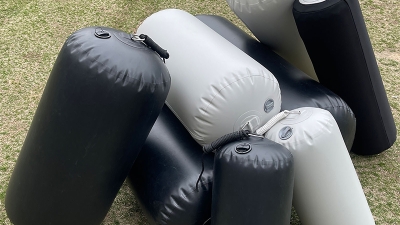
When it comes to enhancing your boating experience, one cannot underestimate the importance of reliable boat fenders. iLife OEM Inflatable Boat Fenders are essential for every maritime adventure, providing the protection your vessel needs against rough docks, other boats, and unpredictable waves. Their role in safeguarding your boat from damage while you enjoy your time on the water cannot be overstated.
Crafted from high-strength polyvinyl chloride (PVC) coated fabric, these fenders are designed to withstand the rigors of marine environments. The tear resistance ensures durability even in challenging situations, while their UV resistance guarantees that they won't fade or degrade under the sun's harsh rays. Additionally, these fenders are waterproof and resistant to corrosion from salt and alkali, making them the perfect companion for any boating enthusiast. Available in various sizes and colors, they can be tailored to complement your boat's aesthetic while ensuring functionality and safety.
Investing in iLife OEM inflatable boat fenders will significantly enhance your boating experience. With their robust construction and versatile design, they provide peace of mind as you embark on new adventures, knowing that your boat is well-protected. Whether you're docking, anchoring, or simply enjoying the open water, these fenders are a must-have accessory for every boater.
FAQS
: For freshwater fishing, it's essential to select smaller, more maneuverable boats like aluminum and bass boats, which can easily navigate lakes and rivers, providing access to remote fishing spots.
Saltwater fishing typically requires sturdier and more durable boats, such as fiberglass center-console boats, which can handle rough conditions and larger waves, making them ideal for offshore fishing targeting species like tuna or marlin.
Recognizing the differences between freshwater and saltwater environments influences the choice of boat, as each setting imposes unique demands that affect the boat's performance and durability.
Beyond the initial purchase price, considerations should include maintenance, fuel, insurance, and registration fees, all of which can significantly impact yearly expenses.
Exploring financing options is crucial, as they can help individuals invest in a boat that meets their needs for global adventures and manage the associated costs effectively.
Yes, various government funds and departmental budgets, such as those from the Texas Parks and Wildlife Department, may offer financial relief or grants that can ease the financial burden of owning a fishing boat.
Fiberglass is favored for its light weight and corrosion resistance, ideal for saltwater; aluminum is preferred for its toughness in rocky waters; and wood offers aesthetic appeal but requires regular maintenance.
Factors such as exposure to saltwater, UV radiation, and varying temperatures can significantly impact the lifespan and durability of a boat, so it’s essential for buyers to consider these when making a decision.
It's important for anglers to evaluate the specific conditions they expect to encounter and select materials that offer the best resilience and durability for those environments.
Being well-informed about all financial aspects and available programs can help buyers make smart investment decisions, ensuring enjoyable fishing adventures for years to come.