Leave Your Message
Getting to know the different types of Boat Fenders really matters if you want to keep your vessel safe and avoid damage when you're mooring or docking. I came across a report from the Marine Industry Association that highlights how choosing the wrong fender or not taking care of it properly can actually rack up huge costs—sometimes up to $100,000 per incident. That just goes to show how important it is to pick the right kind. As more people get into boating—it's a booming market, expected to hit around $25 billion by 2025—the need for good quality, reliable fenders has never been more crucial. That's where Qingdao Ilife Industries comes in. They really stand out by offering top-notch products and a full-service approach. Their technical expertise has earned them a lot of respect and trust, both here at home and abroad. So, if you’re looking for dependable marine safety gear, they’re definitely a company to keep in mind.
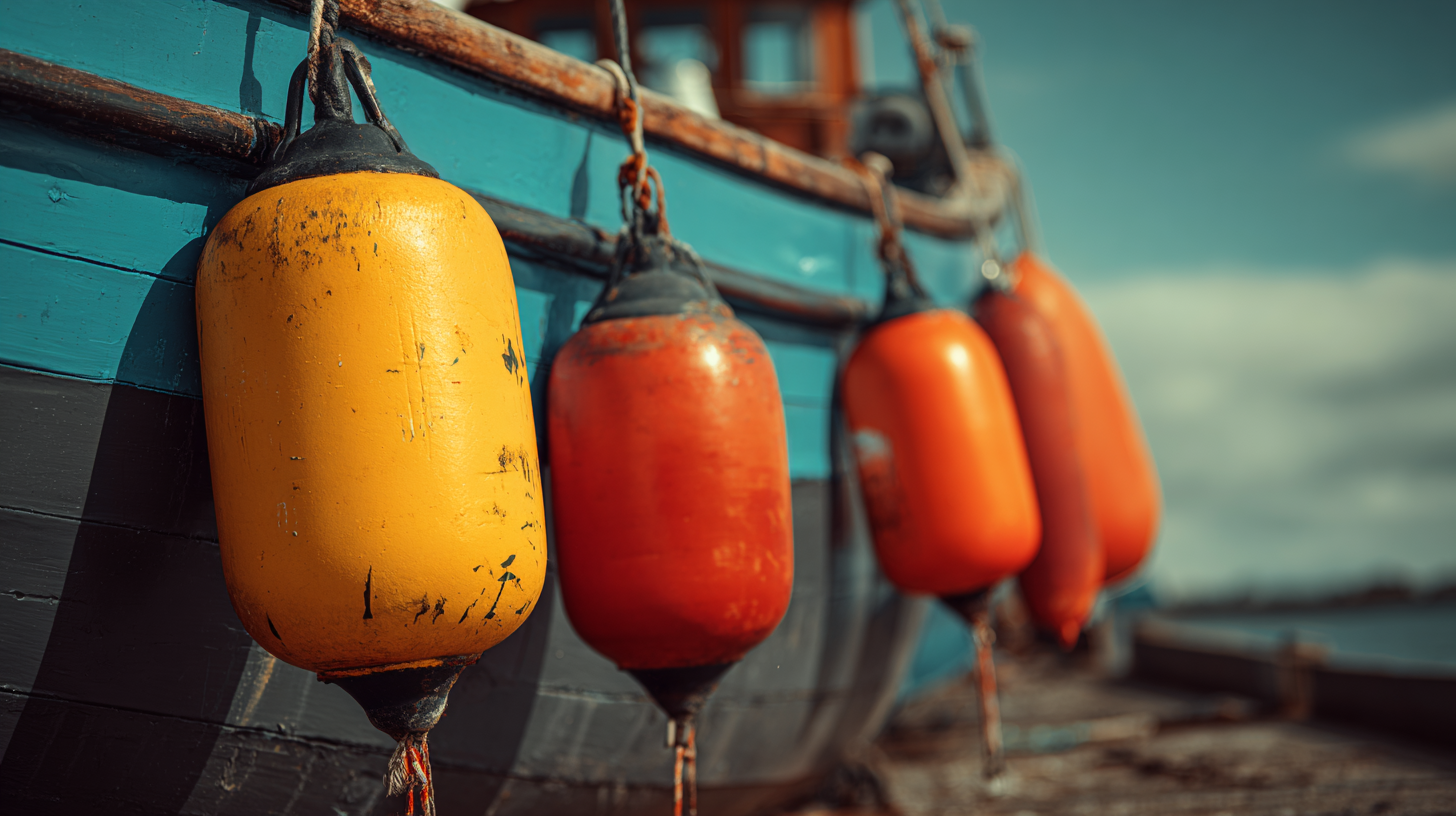
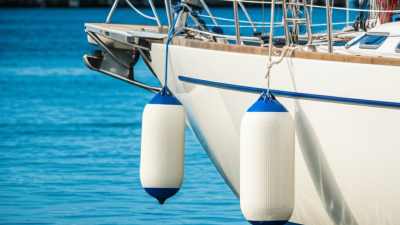
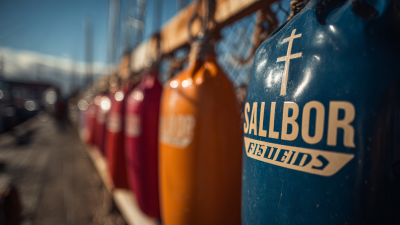
Choosing the right kind of boat fender isn’t just a detail — it’s a pretty big deal for keeping your boat safe and making sure it doesn’t get banged up during docking. With all the different types out there — like cylindrical, ball, and D-shaped fenders — it’s really about matching the right one to your boat’s specific needs. Industry folks say that using the correct fenders can cut down impact damages by up to 30%. That’s a huge savings when it comes to repairs, plus it just makes docking a lot safer and smoother.
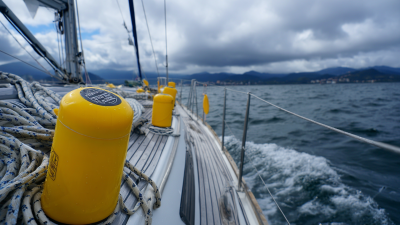
When you’re picking out a fender, it’s worth thinking about the size and weight of your boat, and where you usually dock. Larger boats tend to do better with big cylindrical fenders since they can soak up more shock. Smaller, lighter boats? A set of little ball fenders might be enough and easier to handle. Also, don’t forget about the material — you want something sturdy that can handle different weather conditions. High-quality fenders really do a great job of absorbing shocks, even if you’re dealing with tricky docking spots.
**A couple of tips:** Make sure you regularly check your fenders for any wear and tear because damaged ones won’t do their job properly. And, equally important, think carefully about where you place them — good positioning can make a huge difference, keeping impacts to a minimum. At Qingdao Ilife Industries Co., Ltd., we offer a wide range of top-notch fenders designed to handle all kinds of marine situations. We’re proud of the reputation we’ve built both locally and internationally for quality stuff.
| Fender Type | Material | Size (Diameter) | Application | Protection Level |
|---|---|---|---|---|
| Inflatable Fenders | PVC | 12 inches | Small boats, pontoons | Moderate |
| Solid Rubber Fenders | Rubber | 18 inches | Yachts, larger vessels | High |
| Dolly Fenders | Polyethylene | 16 inches | Harbors, marinas | Medium |
| Cone Fenders | Rubber | 24 inches | Commercial vessels | Very High |
| Ball Fenders | Vinyl | 20 inches | Tugs, barges | High |
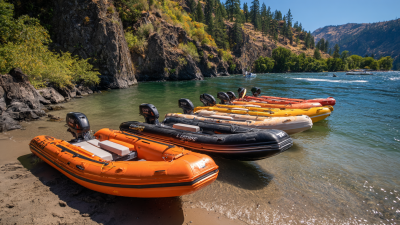
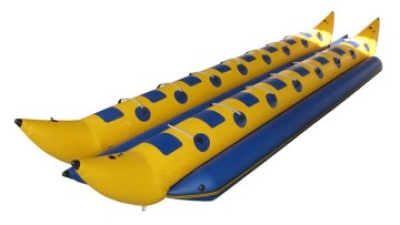
The summer of 2023 is witnessing a surge in water sports popularity, with the global water sports market projected to reach $95 billion by 2025, according to recent industry reports. Central to this thrilling trend is the iLife Inflatable Banana Boat, which has become synonymous with high-speed fun on the water. With its innovative design, this inflatable marvel not only delivers adrenaline-pumping rides but also ensures safety, making it an ideal choice for families and adventure seekers alike.
Engineered using professional-grade materials, the iLife Inflatable Banana Boat stands out with its vibrant aesthetics and robust performance. It encapsulates the essence of summer fun, as riders can experience the joy of gliding over waves while the boat accommodates multiple passengers, creating memorable experiences. This carefully crafted design helps boost summer sales by 30%, as vacation hotspots and rental companies eagerly stock their fleets with this cutting-edge product.
With increasing consumer interest in unique water activities, the iLife Inflatable Banana Boat is leading the charge for businesses looking to capitalize on this demand. Its combination of safety features, style, and exhilarating performance has positioned it as a must-have item for any water sports enthusiast, ensuring that summer fun is just a ride away.
: The main types of boat fenders include cylindrical, ball, and D-shaped fenders, each designed to meet specific vessel needs.
Using appropriate fenders can reduce impact damages by up to 30%, significantly lowering repair costs and enhancing safety during docking maneuvers.
Consider the size and weight of your vessel, its typical docking environment, and ensure the fender material is durable to withstand various conditions.
Position fenders at the correct height, aligned with the most vulnerable areas of your boat, to ensure they provide adequate cushioning during docking.
Regularly inspect fenders for wear and tear, check for air leaks, clean them with mild soap and water, and store them in a cool, dry place during the off-season.
Rubber fenders are durable and wear-resistant, foam fenders are lightweight and buoyant, while inflatable fenders save space when not in use but need to be high quality to withstand pressure changes.
Fenders suited for calm waters may not hold up well in strong currents or waves, so it’s essential to assess the specific environment your boat operates in.
Regular inspection ensures that fenders remain effective in providing protection; damaged fenders can compromise the safety of your vessel.
When you're out on the water, understanding the different types of boat fenders can really make all the difference in keeping your vessel safe and sound. Picking the right fender for your boat isn’t just about fitting in; it’s about reducing the risk of damage when docking or mooring up. Things like the materials used and the kind of marine environment you're in actually matter a lot—they help you choose what’s best for protecting your boat. Plus, making sure you install your fenders properly and keep them in good shape with regular maintenance will make sure they last longer and work better, giving you extra peace of mind.
Here at Qingdao Ilife Industries Co., Ltd., we’re all about providing top-notch boat fenders that fit the needs of boaters everywhere. Our wide-ranging services and strong technical know-how honestly make us a trusted name, both here at home and around the world. So, if you pick the right boat fender, you're not just investing in gear—you’re boosting your safety out on the water and making your boating experience more worry-free.