Picking out the right rubber boat can feel pretty overwhelming, I get it. There are so many options out there, with different brands snatching at your attention and lots of features to compare. Rubber Boats are such a versatile thing — whether you’re into fishing, need something for rescue missions, or just want to relax out on the water, they’re super handy.
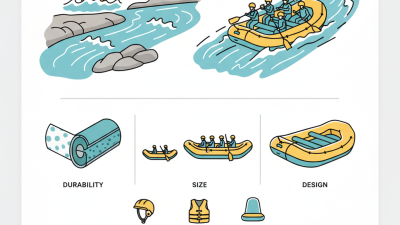
When you're shopping around, think about the size first. The length and width should really match what you plan to do with it. Also, don’t forget about capacity — how many folks do you want to fit? And weight limits are super important too; it’s one detail people often overlook. A boat that’s too small or too heavy can really mess up your plans.
Durability’s another big factor. You’ll want something made from tough, heavy-duty rubber if you’re planning to use it in rough conditions. No one wants to get a puncture mid-adventure, right? It’s a good idea to check out reviews from other buyers — they often share real experiences that can help you avoid the duds. Sometimes brands promise the moon but don’t deliver, so doing your homework before buying is always worth it. Putting some thought into what you need and digging a little deeper can really help you find the perfect rubber boat for your needs.
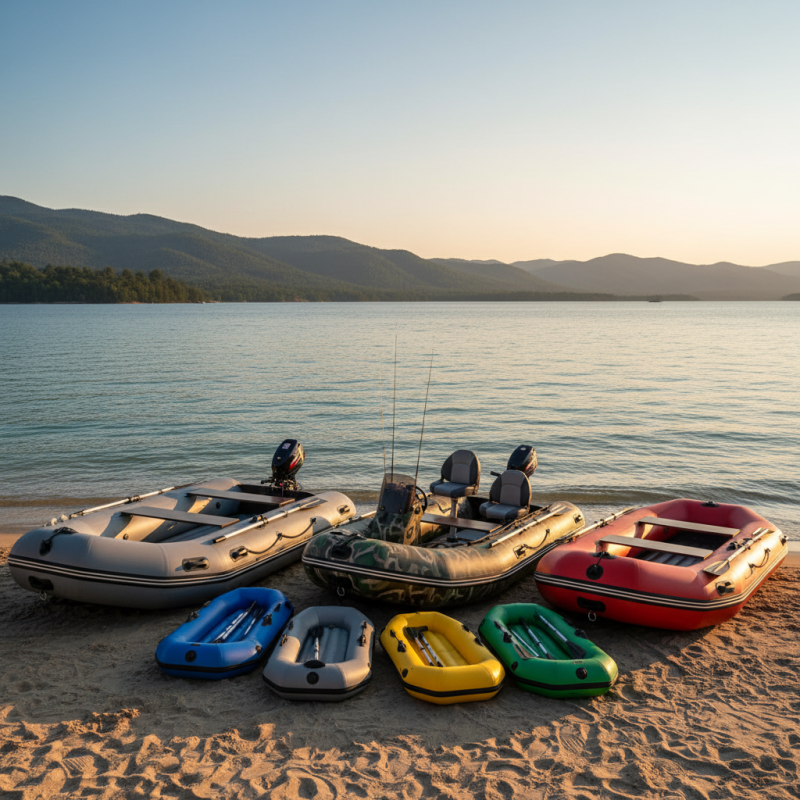
Understanding the Different Types of Rubber Boats Available
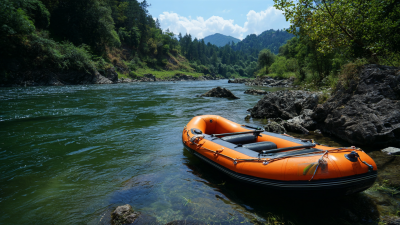
When choosing rubber boats, understanding their types is crucial. There are Inflatable Boats, solid rubber boats, and hybrid options. Inflatable boats are portable and easy to store. They often come with reinforced seams and durable materials. Solid rubber boats provide excellent stability but can be heavy. Hybrid boats balance these features.
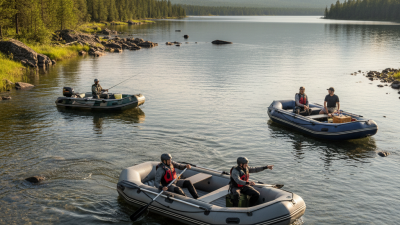
Different activities require different boats. Fishing enthusiasts may prefer wide, stable models. Recreation users might choose lighter boats for easy transport. Diving and exploration require designs that can handle rough waters. It's vital to identify your needs before making a decision. A mismatch can lead to dissatisfaction later. Consider weight capacity, size, and design features critically.
Choosing the right boat isn’t just about features; it’s personal. Think about your experiences and preferences. Have you felt uncomfortable in tight spaces? Reflecting on previous outings is essential. Each adventure can help refine your choice. Pursuing the right rubber boat involves both logical choices and emotional factors.
Assessing Your Intended Use for Rubber Boats
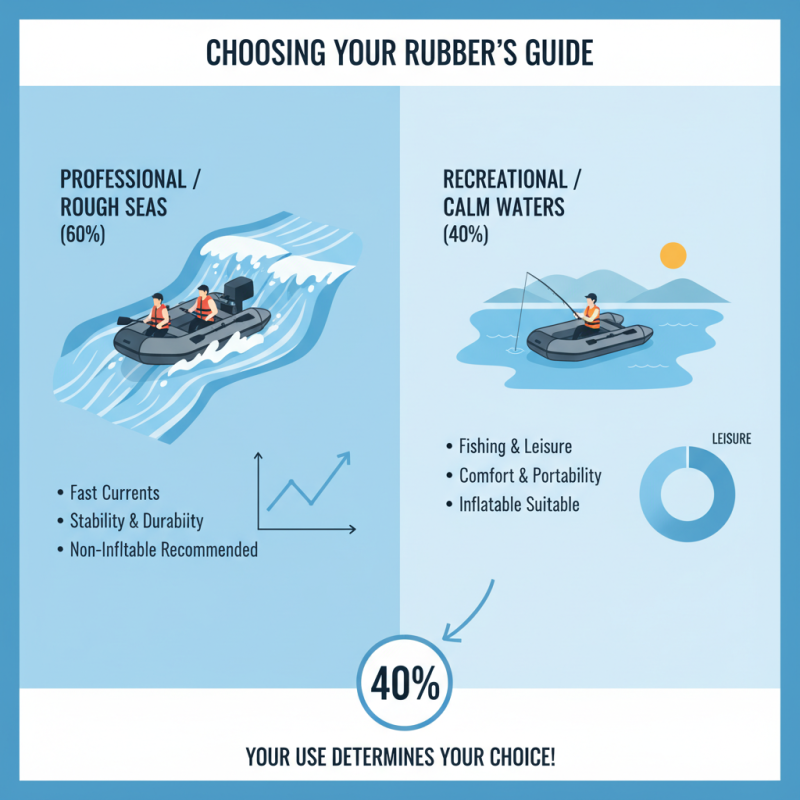
When choosing a rubber boat, understanding your intended use is crucial. Consider whether you need it for leisure activities or professional tasks. Data shows that 40% of rubber boat users prioritize recreational purposes like fishing or leisure cruising. These boats must offer stability and comfort. An Inflatable Rubber Boat may not be the best choice for fast currents or rough seas.
Think about size and capacity. A study found that 70% of accidents occur due to overloading. If you’re taking a family outing, a larger boat is necessary. However, it can be cumbersome to transport. Balance between ease of handling and passenger capacity is essential.
Lastly, safety features matter. Many rubber boats come with built-in life jackets or ropes. However, not all manufacturers adhere to high safety standards. Always review safety ratings before your purchase. It can be easy to overlook, but this reflects on your overall experience. Prioritize your needs and use-cases carefully to avoid inconvenient surprises.
Evaluating Size and Capacity Requirements
When evaluating rubber boats, size and capacity are critical factors. Start by considering how many people will be onboard. A boat for one or two people will differ greatly from one meant for a family outing. Think about weight as well. Heavy equipment or supplies will affect your choice. Consider measurements carefully; it’s easy to underestimate space.
Another point to reflect on is your intended use. Will you be fishing in calm waters or navigating rapids? Different activities require different sizes. Boats need to handle various conditions. If you're unsure, consult with experienced users. They can provide valuable insights. Remember, a larger boat may seem better but can be harder to maneuver. Balancing capacity with usability is essential.
Local regulations can also affect your choices. Some areas have restrictions on boat sizes. This may limit your options. Always review these rules before purchasing. Challenges can arise during this process. Don't rush your decision. Take time to weigh your options carefully and think about your specific needs. Understanding your requirements will lead to a better experience on the water.
Material Selection: Durability vs. Weight
Choosing the right rubber boats involves understanding material selection. Durability and weight are crucial factors. Rubber can be heavy but it's known for its strength. Lightweight alternatives are less robust but easier to transport.
When considering durability, think about your activities. Are you navigating rocky rivers or calm lakes? Heavy-duty rubber is ideal for rough conditions. It withstands punctures and abrasions better. But if you're a casual user, a lighter option may suffice.
Tips: Always check the thickness of the material. Thicker rubber provides more protection. However, it can add weight. Examine the layers in the boat’s design. Multiple layers offer better durability but can be cumbersome. Balancing these factors requires careful thought. Find what suits your situation best.
Ultimately, your choice should reflect your needs. Will you prioritize strength or maneuverability?
Both aspects have their merits, and sometimes there's no clear answer. Your decision may require compromises. Knowing how often and where you will use the boat can guide you effectively.
Features to Consider: Inflatable vs. Rigid
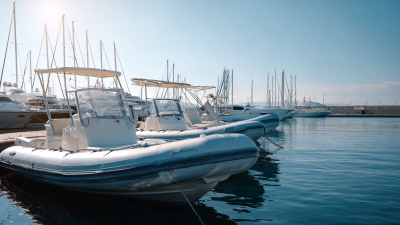
When choosing between inflatable and rigid rubber boats, consider your specific needs. Inflatable boats are versatile and easy to transport. They often weigh less, allowing for better portability. According to a recent industry report, over 70% of recreational boaters prefer inflatables for weekend trips. Their stability is commendable, especially in calm waters. However, they can be punctured easily, and repairs might be cumbersome.
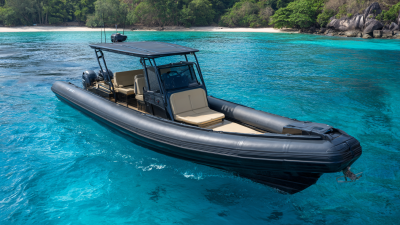
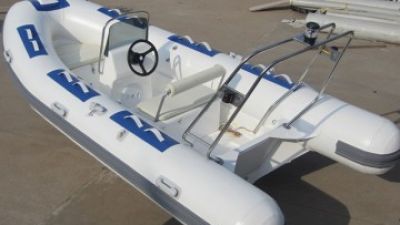
Rigid Hull Boats offer robustness and superior performance in rough conditions. Data suggests that their structural integrity leads to longer lifespans. A study found that 65% of commercial users favor rigid boats for demanding environments. They provide better handling and faster speeds. Yet, their heavier frame may limit mobility. Inflation and deflation take time and effort.
Think about storage space as well. Inflatable boats can deflate and fit into small spaces, ideal for homes with limited storage. In contrast, rigid boats require designated storage, which can be a challenge. Reflect on your boating habits carefully, as your choice will significantly impact your experience on the water.
Budget Planning for Your Rubber Boat Purchase
When planning your budget for a rubber boat, consider multiple factors. The price range for rubber boats can vary significantly. A basic model may cost around a few hundred dollars. At the same time, high-end models can reach thousands. Always align your choice with your intended use.
Tips: Determine how often you plan to use the boat. If it's only a couple of times a year, a less expensive option might suffice. However, if you are an avid boater, a durable model can be a smarter investment.
Maintenance costs also matter. Some boats require more upkeep than others. Allocate part of your budget for accessories. Life jackets, oars, and repair kits add to the total cost. Lastly, keep in mind that a flashy boat can lure you in, but practical features matter more.
Tips: Look beyond aesthetics. Focus on safety and functionality instead. Evaluate warranty options to protect your investment. Consider resale value too; keep flexibility in your mind for possible changes in your needs. Reflect on your lifestyle and usage habits before making a purchase.
Maintenance Tips for Longevity of Rubber Boats
Maintaining rubber boats is crucial for their longevity. A well-maintained boat can last several years, while neglect can lead to a significant drop in performance. According to industry reports, about 30% of rubber boats fail due to improper care. Regular inspection and maintenance are key.
Check for leaks periodically. Use a simple soap and water solution to identify any weak spots. Addressing these issues early can save you time and money. It’s essential to clean your boat after every use. Saltwater and dirt can degrade the material. Rinse it thoroughly.
Storing your rubber boat correctly is vital. Keep it in a cool, dry place away from direct sunlight. Extreme temperatures can cause damage over time. Additionally, consider using a protective cover. This small investment can significantly extend the life of your boat.
Remember to inspect the valves and inflation regularly. They should maintain their shape. If you notice any deformation, it might be time for a replacement. A quick check can prevent major issues later on.
Industry Insights: Elevating Marine Performance with the iLife Small Fiberglass Hull Rib Rigid Boats for Recreational Adventure
Navigating the wide expanse of azure waves becomes an exhilarating adventure with innovative marine vessels designed for performance and reliability. The latest advancements in boat construction combine state-of-the-art materials and craftsmanship, enabling enthusiasts to experience the thrill of both leisure and exploration. Utilizing marine-grade PVC for lightweight portability and Hypalon fabrics for exceptional UV resistance, these boats are built to withstand the elements, ensuring that both new and seasoned adventurers can embark on their journeys with confidence.
Melding functionality with optimal performance, these vessels feature fiberglass hard bottoms that enhance stability and durability, making them the perfect companions for any aquatic escapade. Ranging from 2.6 to 4.3 meters, the dimensions offer versatility for varied activities—be it a tranquil fishing retreat for one or an exhilarating expedition for a group. The thoughtful design elements cater to all aspects of marine recreation, ensuring that every outing resonates with adventure and freedom on the water. The harmony of cutting-edge materials and meticulous craftsmanship shapes the future of marine excursions, inviting everyone to explore the beauty and thrill of the ocean.
FAQS
: Regular exercise improves physical health and mental well-being. It boosts energy levels and mood.
Sleep is vital for cognitive function. Poor sleep leads to difficulties in concentration and increased irritability.
Staying hydrated supports bodily functions. It enhances digestion, energy levels, and skin health.
Balance is key. Include proteins, fats, and carbohydrates. Don't forget fruits and vegetables for nutrients.
Chronic stress can lead to serious health issues. It may cause anxiety, weight gain, and heart problems.
Yes, practicing mindfulness can enhance focus. It also reduces stress and promotes a sense of calm.
Setting unrealistic goals can lead to frustration. Focus on manageable changes over time for better results.
Social connections are crucial for emotional support. Lack of interaction can lead to feelings of loneliness.
Nutrition affects brain chemistry. A poor diet may lead to mood swings and increased anxiety.
Reflection helps identify areas for improvement. It encourages personal growth and better decision-making.
Conclusion
When selecting the right rubber boats for your needs, it is crucial to understand the various types available and how they align with your intended use. Consider factors such as size and capacity requirements to ensure safety and comfort during your activities. Material choice plays a significant role in balancing durability and weight, impacting both performance and ease of transport.
Additionally, evaluate features such as whether you prefer inflatable or rigid designs, as each has unique benefits. Budget planning is essential to make an informed purchase, as rubber boats come in a wide range of prices. Lastly, regular maintenance tips can help maximize the longevity of your rubber boat, ensuring that it remains a reliable companion for your adventures.