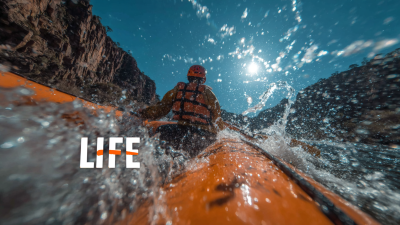
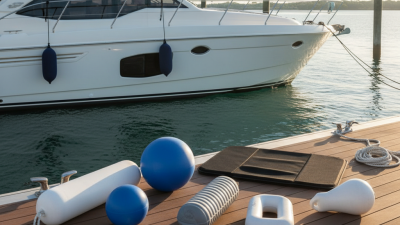
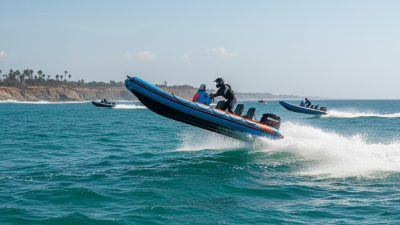
Picking the right raft can really make or break your whole adventure, so it’s kind of a big deal. With so many options out there, it’s super important to understand what YOU actually need. Did you know? According to the Outdoor Industry Association, the rafting scene has grown by about 20% over the past ten years. That just goes to show how popular water adventures are getting these days!
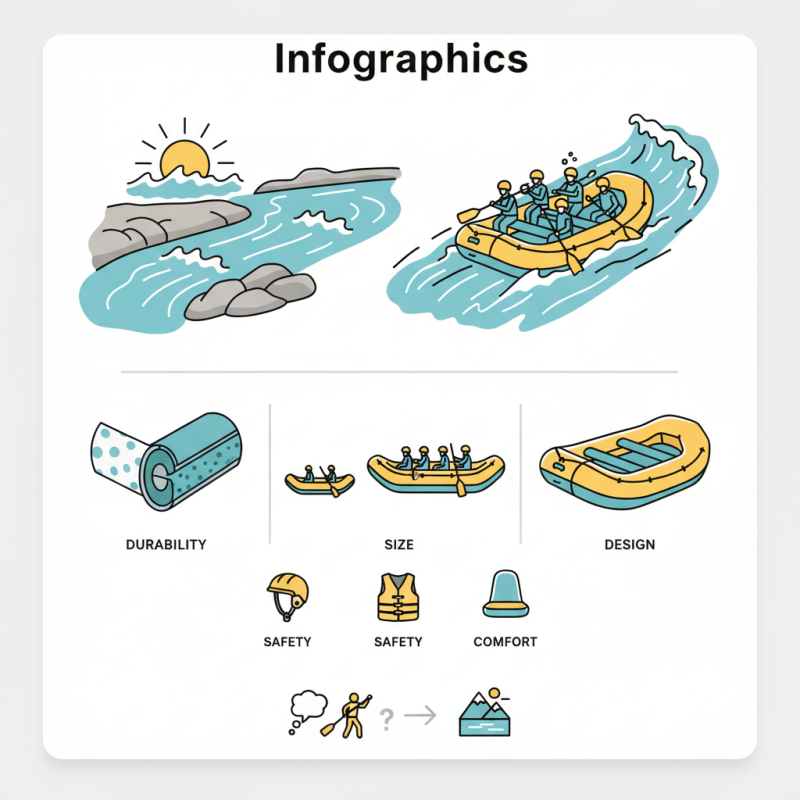
I had a chat with John Rivers, who’s pretty much a legend when it comes to rafting gear, and he told me, “Choosing the right boat can totally make or break your experience.” His point is, it’s all about what suits your personal style and skill level. Think about durability, size, and design — they really do matter, especially when you’re dealing with tricky rapids or just floating along peaceful rivers.
A lot of first-timers forget to prioritize safety and comfort, which is a mistake. The boat you pick should really add to your fun, not take away from it. Sometimes, people get tempted by a boat that looks cool but ends up being a letdown when it comes to performance. Take some time to think about what you want out of your trip and the conditions you’ll hit. And honestly, be real with yourself about your experience — that way, you’ll end up with a boat that’s perfect for creating unforgettable memories!
Understanding Different Types of Rafting Boats Available
Choosing the right Rafting Boat is crucial for your adventure. There are several types of rafting boats, each designed for different conditions. Understanding these types can enhance your experience on the water.
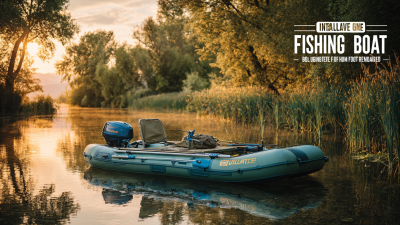
Inflatable Rafts are popular for their versatility. They can handle rough waters and are easy to transport. According to industry reports, these boats constitute about 70% of the market. Their buoyancy and strength make them ideal for river rafting enthusiasts. However, they may also require frequent maintenance.
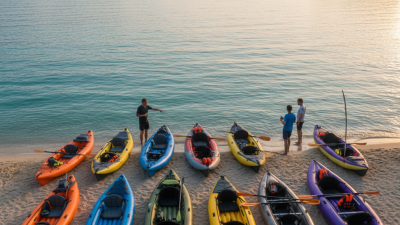
Hard-shell kayaks offer a different experience. They provide better speed and maneuverability. Yet, they require more skill to navigate, which isn't always beginner-friendly. It's essential to evaluate your ability level before choosing this option.
**Tips:**
When selecting a boat, consider the water type you’ll encounter. Research local conditions, as they can change rapidly. Always prioritize safety features over aesthetics when choosing a raft. Lastly, remember that a good boat doesn't negate the need for skill.
Key Factors to Consider When Choosing a Rafting Boat
Choosing the right rafting boat is vital for a successful adventure. Various factors affect this decision. Water conditions are one of the most important. According to a recent report by the American Whitewater Association, understanding river classifications is crucial. Class I rivers are calm, ideal for beginners. Class V offers challenging rapids, suited for experienced paddlers.
Boat size matters too. A larger boat provides stability and can carry more gear, but it’s harder to maneuver. Recent studies suggest that most recreational rafters prefer a boat that is between 12 to 16 feet. This size balances space and control. Also, consider the materials. Inflatable Boats are popular for their portability and safety, while hard-shell boats might offer better performance in rapid waters.
Don’t forget about the seating arrangement. Comfort plays a significant role in enjoyment. Some people overlook this aspect. A cramped space can ruin the experience. Finally, test the boat before buying. If possible, consult with experienced rafters. They can offer insights that reports don’t cover. This paddling community has invaluable experience. Being informed is key to enjoying the thrill of the river safely.
Evaluating Size and Capacity for Your Rafting Group
When planning your rafting adventure, size and capacity are crucial. Depending on your group size, choose a boat that accommodates everyone safely. A smaller boat is agile but may not hold many people. Conversely, larger boats offer more space but can be unwieldy in some rapids.
Consider the number of people and gear. A good rule of thumb is to allow additional space for equipment. Each paddler needs room to move. If your group is not experienced, a larger boat can provide stability. Yet, smaller vessels foster teamwork and enhance the thrill.
**Tips:** Always calculate your group’s total weight. This affects buoyancy and handling. It's wise to test smaller and larger boats before the trip. If possible, practice on calm waters. Engage your group in discussions about preferences. Address any concerns openly. This ensures everyone feels comfortable during the adventure.
How to Choose the Best Rafting Boat for Your Adventure? - Evaluating Size and Capacity for Your Rafting Group
| Boat Type | Length (ft) | Width (ft) | Capacity (People) | Ideal Use |
| Inflatable Raft | 14 | 6 | 4-6 | Calm rivers and lakes |
| Self-Bailing Raft | 16 | 7 | 6-8 | Moderate to rough rivers |
| Cataraft | 18 | 8 | 4-6 | Fast rivers with heavy loads |
| Whitewater Raft | 15 | 6 | 6-8 | Challenging rapids |
| Lake Raft | 12 | 5 | 2-4 | Leisurely lake outings |
Material Options: Durability and Weight Considerations
When selecting a rafting boat, material options play a crucial role. Durability and weight directly affect your experience on the water. Common materials include PVC, Hypalon, and fiberglass. Each has its pros and cons.
PVC is affordable and lightweight, making it a popular choice. However, it may not stand up to sharp rocks as well as other materials. Hypalon boats offer superior resistance to UV rays and abrasions. Yet, they are often heavier and pricier. Fiberglass provides excellent durability but can be cumbersome to transport.
Tip: Consider the water conditions you'll be navigating. For calm rivers, a lighter PVC boat might suffice. For rougher waters, invest in a more durable option. You don’t want to find yourself repairing your gear mid-adventure.
Tip: Always test the weight of the boat. A heavier boat can be more challenging to manage.
Finding the right balance between weight and durability is essential. Reflect on your needs and preferences. Your choice will shape your adventure on the river.
Assessing Stability and Maneuverability for Your Adventure
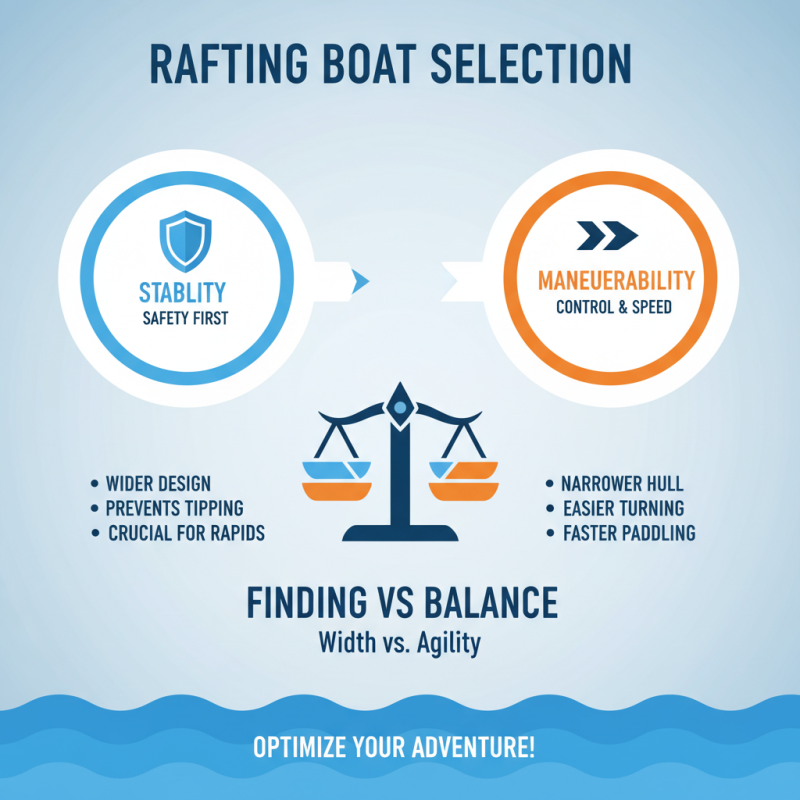
When selecting a rafting boat, stability and maneuverability play crucial roles in your overall experience. Stability is vital for ensuring safety on the water. Look for wider designs that help prevent tipping. A stable boat is essential, especially on rapid rivers. However, too much width can hinder speed. Finding a balance is key.
Maneuverability is equally important. A boat that turns easily can navigate tight rivers and obstacles. Shorter boats tend to be more agile. But consider where you’ll be rafting. If you’ll face long stretches of calm, a longer boat might work better. Think of the journey ahead and visualize how your boat will handle twists and turns.
Assessing these factors is not an exact science. You may discover that a stable boat doesn’t maneuver well in fast water. Likewise, an agile craft might feel unstable. Testing different options can expose these nuances. Take the time to reflect on your preferences and needs. Each adventure will differ, influencing the ideal choice for your outing.
Budgeting for Your Rafting Boat Investment
When budgeting for a rafting boat, clarity is key. Determine how often you will use the boat. Will it be a seasonal venture or an occasional thrill? Each time you hit the water, costs can add up quickly. Consider the initial purchase price and additional gear. Paddles, safety equipment, and maintenance costs need thoughtful inclusion in your budget.
Research the potential long-term value of your investment. Some boats may require more upkeep, while others might be built to last. A cheaper boat could cost more in repairs over time. Balance quality with your financial capacity. Set a spending limit and be mindful of what you truly need versus what is enticing.
Think about second-hand options, too. Buying used can save you money but could lead to unforeseen issues. Inspect thoroughly to avoid hidden costs later. In the end, evaluate your choices carefully. Reflect on your priorities and how much adventure your budget allows. This process can be as thrilling as the rafting itself.
Safety Features to Look for in a Rafting Boat
When selecting a rafting boat, safety features are paramount. The reported statistics show that nearly 70% of rafting accidents result from equipment failure. Therefore, it is crucial to choose a boat constructed with durable materials. Look for reinforced seams and puncture-resistant materials. These features significantly enhance a boat's longevity and safety.
A reliable self-bailing system is another essential feature. It enables water to drain easily, keeping the boat buoyant. According to industry data, self-bailing boats reduce the risk of capsizing by up to 30%. Furthermore, a good raft should have ample grab lines. These lines provide quick access for passengers in emergencies, ensuring safety during unexpected situations.
Consider the design and weight distribution, too. A well-balanced boat minimizes the risk of flipping. Some models claim to have improved stability, but they often fall short in real-world conditions. Additionally, avoid choosing a raft solely based on size. A larger boat can carry more weight but may be harder to maneuver. Reflecting on these safety features can guide your decision and enhance your overall rafting experience.
FAQS
: The main focus is on everyday issues people deal with in life.
Identify stressors and practice relaxation techniques like deep breathing or meditation.
Start small. For example, add one extra serving of fruits or vegetables daily.
Yes, but it takes time. Consistency is key, even small changes matter.
Take a short break. Reflect on what’s causing the feeling, then tackle one task.
Absolutely. Talking to someone can provide new perspectives and support.
Set clear goals and celebrate small victories, even if they seem insignificant.
Life gets busy. Remind yourself why these habits are important and stay patient.
Conclusion
Choosing the best rafting boat for your adventure requires a thorough understanding of the various types available on the market. Factors such as size and capacity are crucial, as they determine how many people and gear can be accommodated safely. Additionally, selecting the right material is vital for ensuring durability and managing weight during your trips.
Evaluating a rafting boat's stability and maneuverability will significantly enhance your overall experience on the water. It's also important to consider your budget, as this investment should align with your adventure goals while ensuring quality. Lastly, prioritize safety features, as they are essential for a secure and enjoyable rafting experience. By carefully considering these elements, you can ensure that your chosen rafting boat is perfectly suited for your needs.