Picking the right Yacht Fenders issuper important if you want to keep your boat safe and in good shape for the long haul. Did you know the global boating scene is expected to hit a whopping $50 billion by 2026? That just goes to show how crucial quality gear like fenders really is. These little bumpers are pretty much your hull's best friend when it comes to avoiding dings and scrapes during docking or mooring. Honestly, industry stats show that about 80% of yacht owners have experienced some kind of damage while docking – so yeah, reliable fenders are a must!
At Qingdao Ilife Industries, we totally get these worries and make sure our Yacht Fenders are top-notch quality. Our focus on great service, solid tech, and consistent quality has really earned us trust with customers both here and abroad. Whether you're a pro yacht owner or just starting out, choosing the right fenders can make all the difference in protecting your boat and making your time on the water smoother and more enjoyable.
Key Factors Influencing Yacht Fender Size: Understanding Measurements and Types for Optimal Protection
When you're picking out yacht fenders, it's really important to get a good handle on what factors influence their size and type. Usually, the size of the fender depends a lot on your boat's dimensions and the kind of environment you’ll be docking or mooring in. A lot of experts suggest that a good rule of thumb is to choose fenders whose diameter is about 10 to 15 percent of your boat's beam—that way, they’ll offer enough cushion against bumps and jolts when you're docking or tying up. It’s all about finding that sweet spot to keep things safe.
Then there's the whole question of the type of fender you should go for. You've got your cylindrical fenders, spherical ones, and inflatable models—each suited for different situations. For example, Inflatable Fenders are pretty lightweight, which makes them perfect for racing yachts because they’re easier to handle. On the other hand, if you're dealing with bigger boats in rougher waters, a heavy-duty fender is probably your best bet. Interestingly, market reports have shown that demand for tougher, more reliable fenders has gone up by about 20% over the last five years. It just shows how more boat owners are realizing how important good fender protection really is. Picking the right size and type can make a huge difference when it comes to keeping your boat in good shape and performing at its best.
Materials Matter: Evaluating the Best Fender Materials for Durability and Performance
When you're choosing yacht fenders, the materials you pick can really make a difference in how long they last and how well they perform. You’ll often see options like PVC, rubber, and polyurethane — each with its own perks. PVC fenders are lightweight and pretty budget-friendly, which is why a lot of recreational boaters go for them. Rubber fenders are super resilient and can handle tough marine conditions without breaking a sweat. Then there are polyurethane fenders—they’re known for being tough against scratches and lasting a long time, making them perfect for high-end vessels that need reliable protection.
At Qingdao Ilife Industries, we focus on making top-notch fenders that fit a bunch of different needs. Thanks to our solid technical know-how, we’re able to carefully assess different materials, so we can make sure our fenders don’t just protect your yacht well but also stand the test of time with great durability and performance. We’re really committed to delivering quality products and providing excellent service. That’s why we’ve earned a lot of trust, both at home and abroad — we’re a go-to choice for yacht owners who want reliable, high-quality fender solutions.
Understanding Fender Shapes: Choosing Between Cylindrical, Elliptical, and Specialty Designs
When it comes to yacht fenders, the shape really plays a big role in how well they protect your boat. Most people go for cylindrical fenders—they're the classic choice. They’re pretty versatile and work well in tons of situations when docking. Plus, their uniform round shape helps spread out the pressure evenly, which is especially handy for larger boats or those that spend a lot of time moored at docks. And because they’re so straightforward, they’re easy to handle and store, so sailors tend to love them.
But then there are elliptical fenders, which are great for certain specific scenarios. Their sleeker, streamlined design cuts down on drag—making them perfect if you're into racing or navigating tight spots often. The flatter profile means they fit snugly against the hull, offering better protection if your boat happens to bump into something. And don’t forget about other special types, like ball fenders or corner fenders—they’re designed to tackle unique docking challenges and help keep every part of your boat safe. Choosing the right shape really depends on what kind of boating you do and the conditions you usually encounter. It’s all about matching the fender to your sailing style and needs.”
Impact Absorption: How Fender Thickness Affects Protection and Shock Absorption Standards
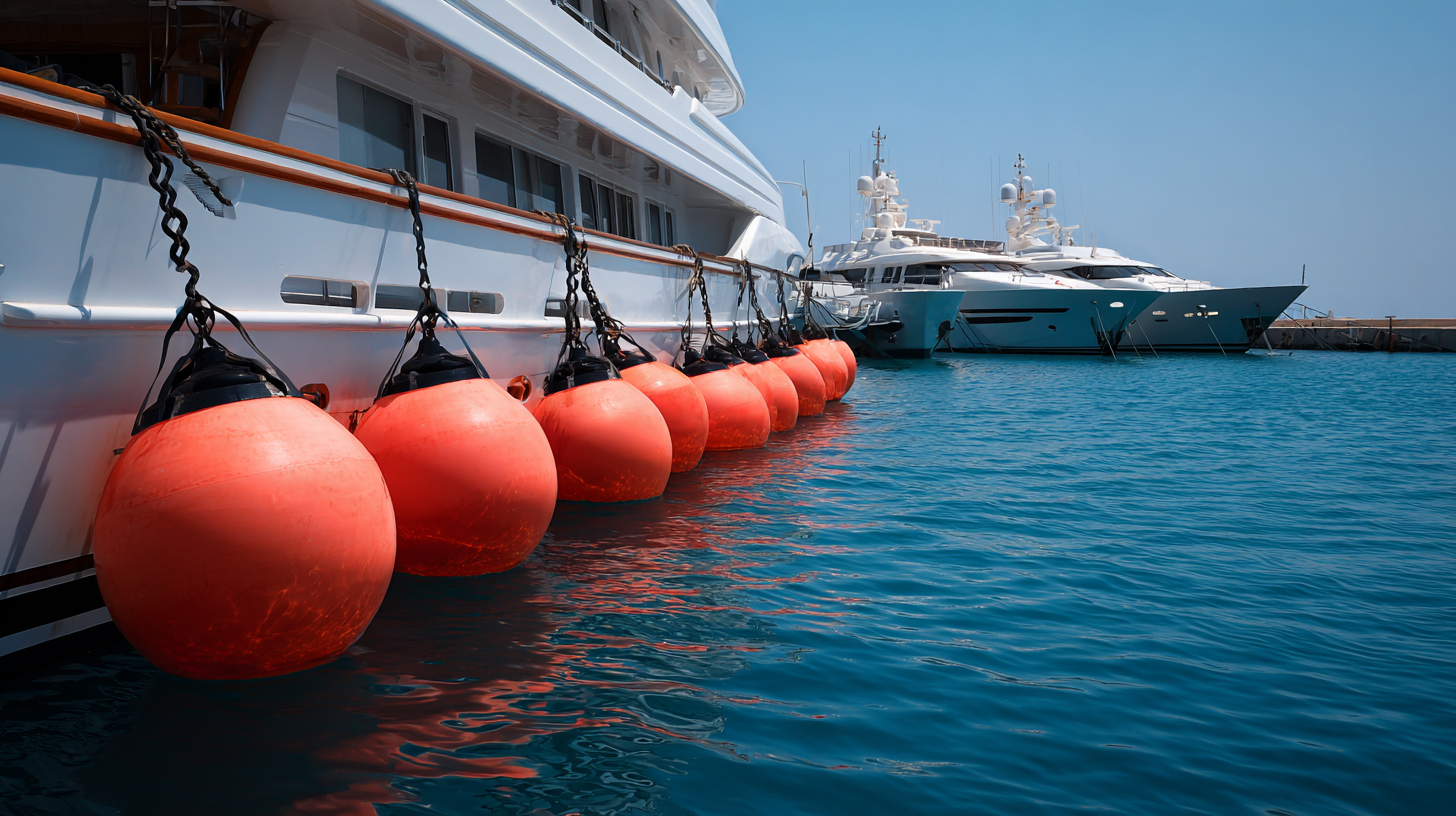
So, when you're picking out yacht fenders, the thickness really matters – it’s pretty much the main thing when it comes to protecting your boat and absorbing shocks. The international standards say that thicker fenders are better at handling impacts. Basically, a fender that's a bit thicker can resist squeezing and pressure much more effectively — which is super important when you're docking or facing bad weather. From what I've seen, fenders that are at least 6 inches thick can absorb up to 50% more force compared to thinner ones. That really helps keep your hull safe and gives you peace of mind.
And here's a little bonus: thicker fenders tend to last longer. I read a study from the Marine Safety Institute that mentioned well-maintained, thicker fenders can last about 25% longer in tough marine conditions. That’s a huge win because it means less frequent replacements and lower maintenance costs overall.
So, when you’re shopping for yacht fenders, it’s a good idea to pay attention not just to the material but also to how thick they are — it’s key for shock absorption and making sure your investment stays protected for years to come.
Maintenance Tips: Maximizing the Lifespan of Your Yacht Fenders for Long-Term Use
When it comes to keeping your yacht fenders in good shape and making sure they last as long as possible, regular maintenance really is key. Honestly, proper care can make a huge difference—things like cleaning them occasionally can really extend their lifespan. Just a simple wipe-down with some mild soap and freshwater can do wonders. It helps get rid of salt, dirt, and grime, which, if left unchecked, can wear down the material over time. In fact, neglecting your fenders could mean they lose up to about 30% of their effectiveness after just a couple of seasons. Not great, right?
Another thing often overlooked is how you store your fenders when you're not using them. Keeping them out of direct sunlight and away from extreme temperatures is a smart move—I mean, UV rays can really ruin the material, causing cracks and fading. Some industry reports even say UV damage can cut their lifespan by up to 40%. Also, don’t forget to give them a quick once-over now and then for any signs of wear or damage. Catching tiny issues early means you can fix them before they become bigger problems, saving you money and hassle down the line. These simple steps can really help your fenders stay in top condition, giving your boat that extra layer of protection for years to come. Trust me, a little TLC goes a long way!
Understanding Yacht Fenders: Data on Durability and Maintenance Tips
Cost Analysis: Comparing Lifespan and Value of Different Fender Types and Brands in the Market
Choosing the right yacht fender isn't just about picking something off the shelf — it really pays to do a thorough cost check, especially when you’re comparing how long different types and brands tend to last and what kind of value they offer. Looking at the broader picture, the auto fender market actually shows us how different uses and qualities can really affect prices. For example, this market was worth around $12.44 billion in 2023 and is expected to almost double to about $26 billion by 2035. That kind of growth highlights why investing in good-quality fenders is a smart move — they can save you from costly damage when docking your boat.
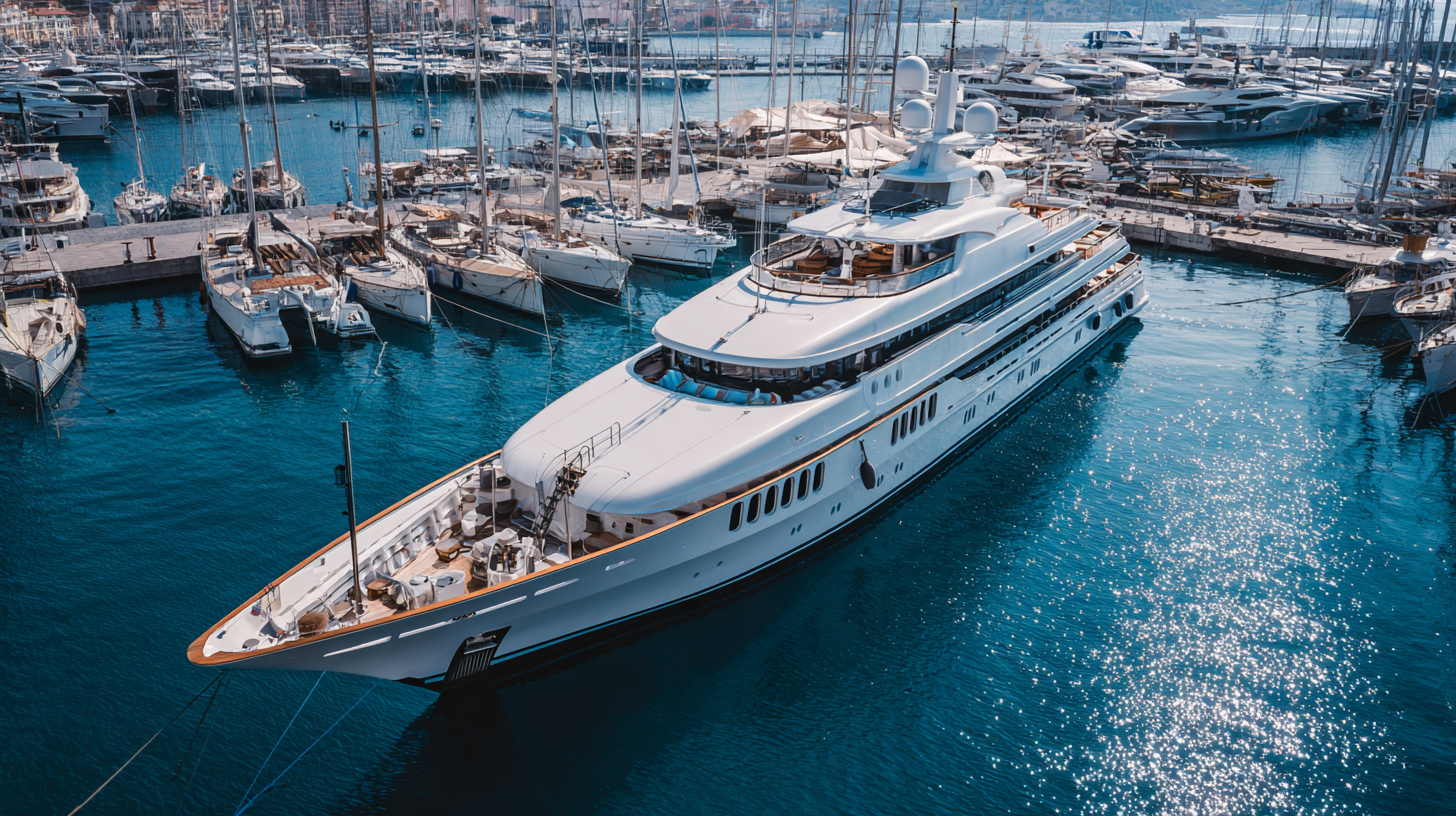
Now, when it comes to types, there’s inflatable, foam-filled, and rubber fenders — each with their own pros and cons. Inflatable fenders are pretty popular because they’re affordable and provide lots of buoyancy, but they might not hold up as well if you hit something really hard. Rubber fenders tend to last longer and do a better job of taking the impact, but they come at a higher price. And of course, brand matters — some are more durable and perform better, so even though they might cost more upfront, they can be worth it in the long run. Basically, if you weigh the cost against how long each fender will last, you'll be better equipped to make smart choices so your boat stays protected without breaking the bank down the line.
FAQS
: The common materials for yacht fenders include PVC, rubber, and polyurethane. Each material has unique advantages, such as PVC being lightweight and cost-effective, rubber being resilient in harsh marine conditions, and polyurethane providing excellent abrasion resistance and longevity.
Fender thickness plays a crucial role in protection and shock absorption. According to the International Marine Organization's standards, thicker fenders provide enhanced resistance to compression and can absorb impacts of up to 50% more force than thinner models, reducing the risk of hull damage.
Well-maintained, adequately thick fenders can last up to 25% longer than thinner counterparts in harsh marine environments, reducing maintenance and replacement costs over time.
Inflatable fenders offer significant buoyancy at lower costs but may not withstand severe impacts as effectively as rubber fenders, which are generally more durable and suited for high-impact conditions.
A detailed cost analysis is crucial as it helps yacht owners evaluate the lifespan and value of different fender types and brands, allowing them to make informed decisions to protect their vessels without overspending.
When choosing yacht fenders, it’s essential to consider both the material and thickness to ensure compliance with shock absorption standards and to safeguard the investment in the long term.
The global automotive fender sector is valued at approximately USD 12.44 billion in 2023 and is projected to grow to USD 26.03 billion by 2035, highlighting the investment importance in quality protective equipment like yacht fenders.
Different brands vary significantly in durability and performance, with premium options often translating to longer usage, which justifies higher upfront costs for yacht owners.
Proper maintenance of fenders ensures their longevity and effectiveness, allowing them to absorb impacts properly and protect the yacht from damage, thus minimizing overall costs related to repairs and replacements.
Yes, the choice of fender material affects performance during docking. For instance, rubber fenders are typically more resilient and effective in absorbing shocks compared to inflatable fenders, thus providing better protection for the vessel.
Conclusion
So, when you're picking out the right yacht fenders, it's pretty important to get a good handle on things like size, the materials they're made of, shape, and how thick they are. All these details really matter if you want to make sure your boat stays safe from bumps and scrapes. The measurements and types—whether cylindrical, elliptical, or some funky specialty design—can make a big difference in how well they absorb impacts. Oh, and don’t forget, the material you choose can really affect how sturdy and long-lasting they are. So, it's worth taking your time to weigh your options.
And honestly, keeping up with regular maintenance on your fenders can seriously extend their life. That means you get more bang for your buck in the long run. Plus, doing a bit of a cost comparison between different brands and types—look at how long they last and what they cost—can really help you make smarter choices. Companies like Qingdao Ilife Industries Co., Ltd. are pretty well-known for their top-notch quality and good service, which makes them a pretty safe bet if you're after reliable fenders for your yacht.