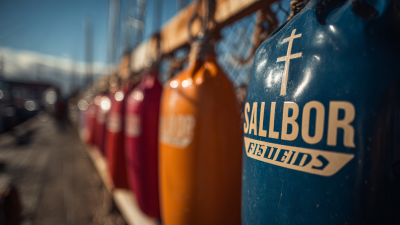
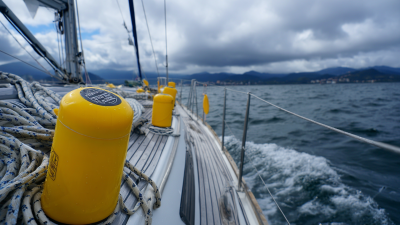
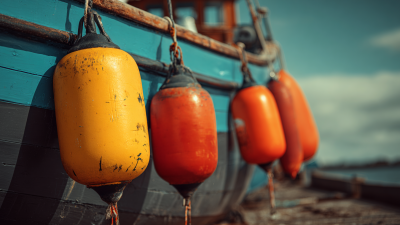
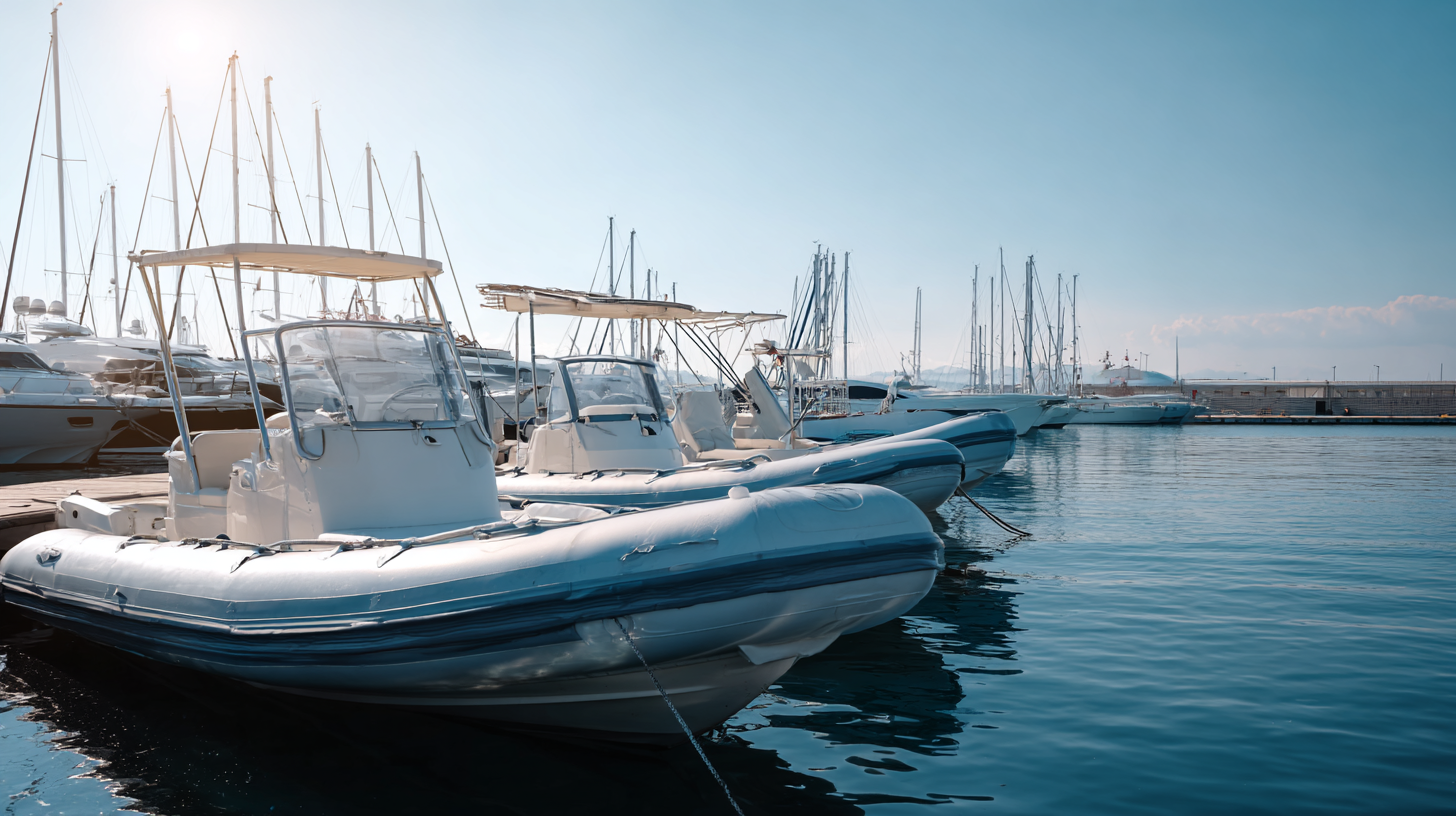
 Picking the right Blow Up Fendersfor your marine operations really matters—it's key to keeping things safe and running smoothly out on the water. From what I’ve seen and industry chatter, the global market for marine fenders is expected to hit aroundUSD 700 million by 2027. That growth is mainly because more folks are on the lookout for better mooring solutions and sturdy protective equipment. Companies like Qingdao Ilife Industries Co., Ltd. are really standing out in this space—they’ve got top-notch products and a full-on service system that’s earning trust both at home and abroad.
As these fenders are becoming more important, it’s super important for marine operators to choose the ones that truly fit their specific needs and environmental conditions. Doing so not only keeps operations safe but also saves money in the long run.
This guide is here to give you some handy insights and tips to help you pick the perfect Blow Up Fenders tailored just for your maritime needs.
Understanding the Importance of Quality Blow Up Fenders in Marine Applications
When it comes to marine applications, you really can’t overlook how important high-quality blow-up fenders are. They’re pretty much essential for protecting vessels from bumps and scrapes when docking or just maneuvering around. A good fender acts like a cushion — it absorbs impacts and helps prevent damage to both your boat and the harbor itself. Picking the right fender isn’t just about size; you’ve gotta think about the material and design too, since every boat’s different and has its own specific needs based on where and how it’s used. Top-notch fenders are built to last and perform well even in tough marine conditions — honestly, they’re a smart investment for any kind of maritime operation.
Here at Qingdao Ilife Industries Co., Ltd., we’re all about providing top-quality blow-up fenders that suit a wide range of needs in the marine world. We focus on quality, which shows in the materials we use and the comprehensive service we offer. Our tech-savvy team is always ready to help you pick out the perfect fender for your specific situation. Trusted both locally and globally, we’re proud of maintaining high standards that keep our clients safe and satisfied, no matter what kind of maritime project they’re working on.
Exploring Different Types of Blow Up Fenders: Spherical vs. Cylindrical Designs
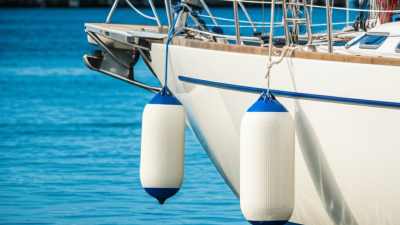
So, when you're choosing the perfect Inflatable Fenders for your boat or marine setup, it's really helpful to understand the differences in their design. For example, spherical fenders — those rounded ones — are pretty versatile. They spread out pressure evenly, which makes them great for bigger ships that might get some heavy knocks during docking. Plus, their shape gives a larger contact area, helping to absorb shocks and protect both your vessel and the dock from damage.
On the flip side, cylindrical fenders offer their own perks. Because they’re elongated, they can be used in a bunch of different ways — whether you hang them horizontally or vertically. This makes them pretty flexible when it comes to tying them onto your boat or dock. They’re also usually lightweight and straightforward to handle, which is a real lifesaver when you need to get everything deployed quickly.
Ultimately, both types are super important for keeping your marine gear safe, but the choice between spherical and cylindrical really depends on your specific situation and what you’re trying to do with your boat.
Key Factors to Consider When Selecting the Right Diameter and Length
When you're picking out inflatable fenders for your boat, it's pretty important to get the right diameter and length. These details really make a difference in how well they perform and if they keep everything safe. Basically, the diameter influences how much the fender floats and how well it absorbs shock when you're docking or tied up alongside other boats. A bigger diameter fender spreads out the impact better, helping protect both your boat and the dock from damage. It’s a good idea to think about your specific boat—how heavy it is, its size—and where you'll be anchoring or mooring, since these factors can mean different sizes are needed.
Then, there's the length. Longer fenders can give you more coverage, especially in rougher waters, and help keep your hull from bumping into things. This is super helpful if you’re dealing with strong currents or big waves. When you’re choosing the right size, make sure to consider how high you’ll install them and how far your boat sits from the dock or neighboring boats. It’s all about finding that sweet spot between dimensions and local conditions. By paying attention to these key points, you'll end up with inflatable fenders that fit your boat perfectly, giving you peace of mind and reliable protection no matter what’s happening out there on the water.
Blow Up Fenders Selection: Diameter vs Length
Evaluating Material Durability: PVC vs. Heavy-Duty Rubber for Marine Fenders
When you're choosing the right inflatable fenders for your boat or marine needs, durability really should be at the top of your list. There are two main materials folks usually go for: PVC and heavy-duty rubber, and each has its own perks. I recently read a report from the Marine Fenders Association that mentioned heavy-duty rubber fenders tend to be a lot more resistant to punctures and scrapes. They can last over ten years even in tough marine conditions, which makes them perfect for commercial boats or areas where they're used a lot.
On the flip side, PVC fenders are lighter and tend to cost less—so they’re great if you're into recreational boating. But, a study by the International Maritime Organization pointed out that even though PVC fenders are easier to move around and install, they don’t hold up as well in extreme weather. Over repeated tests, PVC showed more wear and wasn't as resistant to UV rays compared to rubber. So, honestly, your decision should really depend on how often and in what conditions you’ll be using them, to make sure you get the best performance and longevity out of your fenders.
Industry Standards and Regulations Impacting Blow Up Fender Selection
When you're choosing inflatable fenders for marine use, it’s really important to keep in mind the industry standards and regulations out there. You know, organizations like the American Bureau of Shipping (ABS) and the International Maritime Organization (IMO) set these guidelines to keep everything safe and running smoothly. These rules usually cover the materials, design, and sizes of fenders, making sure they can handle the tough conditions at sea and actually protect your boats and docks effectively.
Sticking to these regulations isn’t just about staying legal—it actually makes a difference in how durable and effective your fenders are when it counts. For example, fenders that meet international standards for things like tensile strength and elasticity tend to hold up better during storms or rough weather. Plus, choosing fenders that comply with environmental rules helps prevent pollution in the waters — which is pretty important nowadays. So, by understanding these standards and including them in your decision-making, you’re not only covering yourself legally but also making sure your operations are safer, more reliable, and more eco-friendly overall.
Ultimate Guide to Choosing the Right Blow Up Fenders for Your Marine Needs
| Fender Type | Diameter (inches) | Length (inches) | Recommended Weight (lbs) | Material | Compliance Standards |
| Standard Inflatable Fender | 24 | 48 | 20 | PVC | ISO 17357 |
| Heavy Duty Inflatable Fender | 30 | 60 | 35 | Hypalon | ISO 17357 |
| Yacht Inflatable Fender | 20 | 36 | 15 | Nylon | CE Certified |
| Port Inflatable Fender | 36 | 72 | 50 | PVC | ISO 17357 |
| Commercial Inflatable Fender | 48 | 72 | 70 | Neoprene | Tested to USCG Standards |
Cost vs. Performance: Analyzing Long-Term Investment in Marine Fender Solutions
When you're choosing inflatable fenders for your boat, it's really important to weigh the costs against how long they’ll actually last. I came across a report from the National Marine Manufacturers Association (NMMA) that mentioned well-maintained inflatable fenders can last over five years. That's a pretty big deal, especially when you compare it to cheaper foam ones, which usually only make it two or three years before needing replacing. So, even though inflatable fenders might cost a bit more upfront, they tend to pay off in the long run because they last longer, provide better protection, and help keep your vessel safe. Plus, you won’t have to keep swapping them out all the time, which saves you bucks over time.
And here’s another thing—according to the Marine Safety Council, spending a little extra on high-quality fenders made with tough materials like reinforced PVC or urethane can actually save you money on repairs. Why? Because these fancy fenders absorb impacts much better. In fact, ships with those more advanced fendering systems saw about 30% fewer hull damage incidents compared to boats using the standard foam ones. So yeah, it might seem like a bigger investment at first, but considering the durability and protection they offer, inflatable fenders are totally worth it. They could really streamline your operations and keep your boat safer every day.
FAQS
: High-quality blow up fenders serve as a protective barrier between vessels and various surfaces, ensuring safety during docking and maneuvering by absorbing impacts and reducing the risk of damage.
Factors to consider include size, material, and design, as each vessel has unique requirements based on its usage and environment.
Quality fenders offer durability and performance that can withstand harsh marine conditions, making them a worthwhile investment for any maritime operation.
Blow up fenders primarily come in spherical and cylindrical designs, each offering distinct advantages for marine applications.
Spherical fenders provide exceptional versatility, distribute pressure evenly, and have a larger contact surface, making them ideal for larger vessels that may experience heavy impacts during docking.
Cylindrical fenders have an elongated shape suitable for a range of applications, can be hung horizontally or vertically, and are typically lightweight and easier to handle.
Cylindrical fenders are generally more suitable for smaller boats due to their flexibility and ease of handling.
Qingdao Ilife Industries Co., Ltd. is highlighted as a provider of high-quality blow up fenders for the marine industry.
The company ensures product quality through the materials used and a comprehensive service system, backed by strong technical capabilities.
Yes, blow up fenders from Qingdao Ilife Industries Co., Ltd. are trusted in both domestic and international markets, ensuring client satisfaction and safety.
Conclusion
Picking the right inflatable fenders is super important if you want to keep your boat safe and make docking a bit easier. Good quality fenders are essential—they protect your vessel during docking and mooring by absorbing impact and preventing any costly damage. In this guide, we’ll walk through different types of blow-up fenders, like spherical and cylindrical ones, and go over what to look for—things like diameter, length, and how tough the material is. We’ll also dive into materials like PVC and heavy-duty rubber to see which works best in those tough marine conditions. Plus, understanding the industry standards and regulations can really help you make smarter choices. And of course, doing a little cost-performance check can save you money in the long run.
Here at Qingdao Ilife Industries Co., Ltd., we’re all about top-notch quality and stellar service. That's why we’ve earned a solid reputation both locally and internationally. Our technical team works hard to make sure our inflatable fenders meet the highest standards so you can trust them to do their job, every time. We’re here to provide reliable solutions for all your marine needs—because your boat deserves the best.