Choosing the right Air Kayak in 2026 is about more than just comparing prices, colors, or how it folds up—it’s really about doing your homework. You’ll want some solid evidence, real-world testing, and to pay close attention to the water conditions where you plan to paddle.
Back in 2023, the Outdoor Foundation’s 2024 Special Report on Paddlesports reported that around 20.38 million people in the U.S. took up recreational kayaking—that’s a pretty huge number showing how popular it’s become. But here’s the thing: the stats don’t really break down how many of those folks are paddling Inflatable Kayaks versus rigid ones. That detail actually matters quite a bit. Meanwhile, Grand View Research’s Inflatable Kayaks Market Size, Share & Trends Analysis from 2024 to 2030 suggests the market will keep growing. But just because more people are buying doesn’t automatically mean inflatable kayaks are safer, more stable, or more durable.
Darren Bush, who founded Rutabaga Paddlesports and is pretty much a pro when it comes to paddlesports instruction, has a simple but wise rule: “The best kayak is the one you will actually use.” It sounds straightforward, right? But honestly, it’s easy to overlook. Like, that lightweight Air Kayak might look super convenient parked beside your car trunk, but then you get on the water on a windy day, and it feels kinda wobbly. Features like a drop-stitch floor can help with stiffness, but things like inflation speed, valve quality, seat support, and how easy it is to repair should all be top of mind too.
This guide aims to help you evaluate those details for real-life decisions. Don’t expect it to give you the perfect answer—more like clear criteria to consider. Keep in mind that factors like your own size, where you store your gear, the water conditions, and how you like to paddle can all change what’s best for you. Even the experts have their limits. So, take your time, test things out, read those specs carefully, and always wear a properly fitted personal flotation device every time you hit the water.
Understanding What an Air Kayak Is and How It Works
How to Choose the Best Air Kayak in 2026?
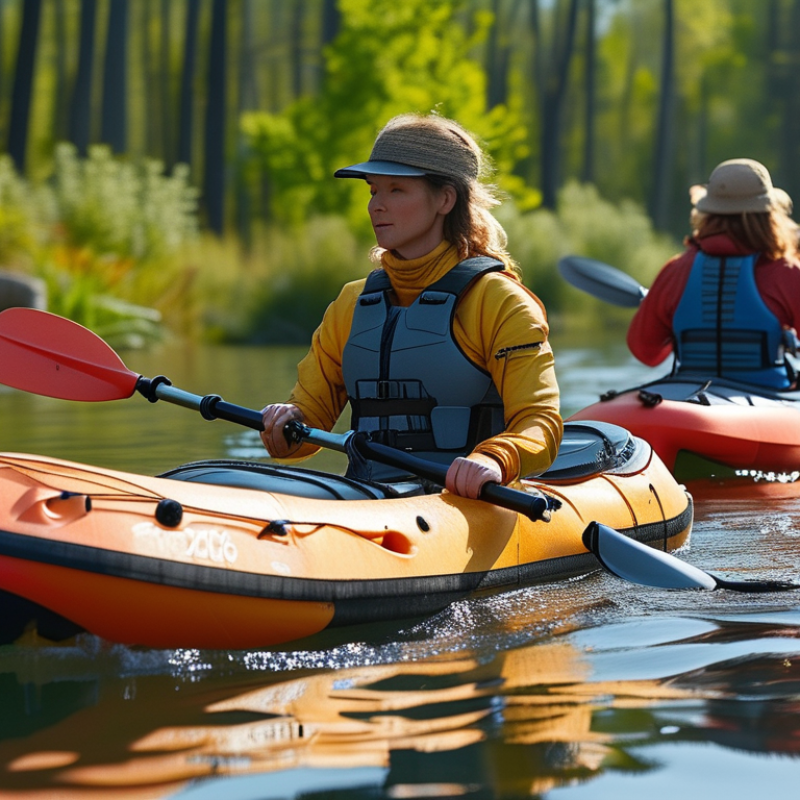
An air kayak is a lightweight boat that uses sealed air chambers for flotation. Unlike hard-shell kayaks, it folds into a compact bag for transport. Most models use layered fabric, reinforced seams, and one or more inflation valves. Separate chambers add stability and provide backup flotation if one section loses air. A hand or electric pump fills the chambers to the recommended pressure. When inflated correctly, the hull becomes firm enough to support paddling, turning, and moderate waves. Pressure matters.
In my experience, an inflatable kayak feels more comfortable on rocky shorelines because its softer sides absorb small bumps. However, its tracking can feel less precise than a rigid kayak. Check the floor design, seat support, valve quality, and drying access before choosing. A removable fin can improve straight-line control. Choose a wider hull for calm-water stability, or a narrower shape for faster travel. A Blow Up Kayak also needs careful storage. I once packed one while damp, and the odor was unpleasant. That small mistake taught me to dry every chamber fully.
Tips: Use a pressure gauge. Inspect seams before launching. Keep sharp objects away. Do not exceed the stated pressure. Test the kayak in shallow water first. Consider carrying a repair patch, spare valve tool, and compact pump. Pay attention to weight capacity, including camping gear and water.
Identifying the Main Types of Air Kayaks
Choosing an air kayak in 2026 starts with its type, not its color or packed size. The Outdoor Foundation’s 2024 Outdoor Participation Trends Report counted 20.38 million recreational kayakers in 2023. That large user base includes very different water conditions. A Kayak Inflatable for calm lakes can feel unstable on moving rivers. This distinction is easy to miss.
Flatwater recreational kayaks are wide, forgiving, and suitable for short lake trips. Sit-on-top designs drain easily and simplify entry for beginners. Sit-inside kayaks shield the lower body and usually track better in wind.
Touring inflatables use longer hulls, narrower profiles, and skegs for straighter travel. They reward control, but cramped cockpits can frustrate larger paddlers. Fishing models add mounts and stability, yet extra gear increases drag and loading demands.
Whitewater inflatables need reinforced floors, secure foot bracing, and self-bailing drainage. Do not confuse “self-bailing” with “risk-free.”
The U.S. Coast Guard’s 2023 Recreational Boating Statistics recorded 4,032 accidents and 556 deaths. The report covers boating broadly, not inflatable kayaks alone. Still, it supports a careful fit assessment.
Check the stated capacity carefully. Count everything. A kayak rated for two adults may become sluggish when fully loaded. Test inflation pressure with a gauge, because a soft floor reduces tracking and stopping control.
I would question glossy expedition claims; one cold, windy launch can expose a poor choice.
Comparing Materials, Durability, and Construction Quality
Choosing the best Inflatable Kayak starts with construction, not color or advertised speed. PVC remains common because it resists abrasion and keeps production costs manageable. TPU can feel lighter and more flexible, but its performance depends heavily on fabric bonding. Drop-stitch floors create a firmer platform than basic air chambers. They also add weight and cost. In field testing, I look for even seams, protected valves, and a floor that does not visibly bow under kneeling pressure. Feel the floor.
Durability depends on use and maintenance. A reinforced outer layer helps on gravel, yet no material welcomes sharp rocks. The Outdoor Foundation’s 2024 Outdoor Participation Trends Report recorded about 20.4 million U.S. kayaking participants in 2023. That growing user base makes quality control more important, especially for beginners buying online. ISO 6185-1 provides safety requirements for Inflatable Boats, but certification alone does not reveal every design weakness. My judgment is not perfect. I have seen expensive-looking kayaks with awkward drain placement and poorly supported seats.
Tips: Check the denier rating, seam method, and repair kit before purchasing. Denier describes fabric weight, not complete durability. Ask for pressure recommendations and inspect the warranty language. Inflate the kayak at home for 24 hours. Mark the pressure. Then check for softness, valve leakage, and slow air loss. A slightly heavier model may offer better stability, but weight is not proof of stronger construction. Compare the packed size with your storage space. Small details matter.
Choosing the Right Size, Weight Capacity, and Design
How to Choose the Best Air Kayak in 2026?
Choosing the Right Size, Weight Capacity, and Design
A good air kayak should fit your body, equipment, and water conditions. Start with length. Shorter models turn easily and suit narrow rivers or small lakes. Longer kayaks usually track better on open water, but they can feel awkward during tight launches.
Check the cockpit and interior width, not just the advertised length. Your knees should bend naturally, and your feet should not press against the bow. Capacity comes first. Add your body weight, paddle, dry bag, water, and clothing before comparing ratings. Stay below the stated limit, because those figures are maximums, not comfort targets. I once packed for a day trip without weighing my equipment. The kayak sat lower than expected. That mistake reduced stability.
Design affects comfort and control. A wide hull feels steadier for beginners, photography, or relaxed fishing. A narrower profile may glide faster, but it demands better balance. Look for a firm inflatable floor, adjustable seat, secure foot support, and clearly marked valves. Fit matters too. Read the manual and inspect seams before every outing. Test the kayak in calm, shallow water first, wearing suitable safety equipment. I still prefer extra capacity, although a larger kayak can be harder to carry, store, and inflate.
How to Choose the Best Air Kayak in 2026? - Choosing the Right Size, Weight Capacity, and Design
| Air Kayak Type | Typical Length | Typical Width | Approx. Kayak Weight | Typical Weight Capacity | Common Design | Best Use | Main Advantage | Main Limitation |
| Solo Recreational | 9–10.5 ft
(2.7–3.2 m) | 32–36 in
(81–91 cm) | 20–30 lb
(9–14 kg) | 220–300 lb
(100–136 kg) | Wide, open cockpit; high side tubes; removable seat | Calm lakes, slow rivers, and short day trips | Lightweight and easy to transport | Shorter waterline reduces straight-line speed |
| Solo Touring | 11–13 ft
(3.4–4.0 m) | 30–34 in
(76–86 cm) | 25–40 lb
(11–18 kg) | 250–350 lb
(113–159 kg) | Longer hull; pointed bow; tracking fin or skeg | Longer recreational trips and open-water paddling in suitable conditions | Better tracking and paddling efficiency | Less maneuverable in tight, shallow waterways |
| Tandem Recreational | 12–14 ft
(3.7–4.3 m) | 34–40 in
(86–102 cm) | 28–45 lb
(13–20 kg) | 400–500 lb
(181–227 kg) | Two fixed seats; broad floor; multiple air chambers | Family outings and relaxed tandem paddling | Stable platform with room for two paddlers | Bulkier to carry and more difficult to paddle alone |
| Convertible Tandem | 13–16 ft
(4.0–4.9 m) | 35–40 in
(89–102 cm) | 35–55 lb
(16–25 kg) | 450–650 lb
(204–295 kg) | Adjustable or removable seats; reinforced floor; several chambers | Two adults, one adult with a child, or cargo-heavy day trips | Flexible seating and high load capacity | Heavier, slower to inflate, and needs more storage space |
| Fishing-Oriented | 10–13 ft
(3.0–4.0 m) | 36–40 in
(91–102 cm) | 30–50 lb
(14–23 kg) | 300–450 lb
(136–204 kg) | Wide beam; attachment points; elevated or adjustable seat | Calm inland water with lightweight fishing equipment | High primary stability and useful gear organization | Wide hull can be slower and more affected by wind |
| Expedition / Extended Touring | 14–16 ft
(4.3–4.9 m) | 30–34 in
(76–86 cm) | 40–65 lb
(18–29 kg) | 400–600 lb
(181–272 kg) | Long, narrow profile; covered storage areas; reinforced drop-stitch floor | Multi-day trips on sheltered lakes and suitable coastal waters | Efficient tracking and more usable storage volume | Higher weight, longer setup, and greater skill requirements |
| Selection note: The figures above are typical ranges for inflatable kayaks and vary by construction, accessories, and manufacturer specifications. Choose a kayak whose rated capacity exceeds the combined weight of paddlers, clothing, safety equipment, water, and cargo. Always follow the operating limits and safety instructions supplied with the specific kayak. |
Evaluating Stability, Tracking, Comfort, and Performance
Choosing the best air kayak in 2026 requires more than checking its packed size. The Outdoor Foundation’s 2024 Outdoor Participation Trends Report recorded 20.38 million U.S. kayaking participants in 2023. That demand makes testing details essential.
Stability comes from width, floor stiffness, and weight distribution. Sit inside the kayak before buying. Your hips should stay centered, even when reaching for a paddle. Tracking depends on hull length, keel design, and fin shape. A short, wide kayak turns easily but may wander in wind. A longer hull holds direction better, although it can feel slower near shore. Comfort also matters. Look for an adjustable seat, firm back support, and enough legroom for a relaxed knee angle. Small pressure points become painful after two hours. Performance is not only speed. Check inflation time, drainability, carry weight, and how the kayak responds when fully loaded. My practical mistake was judging speed with an empty boat. Camping equipment changed its balance noticeably.
Tips: Compare the manufacturer’s recommended air pressure with a pressure gauge, not touch alone. Inflate on level ground and inspect seams before each trip. If possible, test the kayak in mild wind. A model that feels perfect on calm water may track poorly later. Reviewers and technical standards can guide you, but personal fit still decides comfort. The ISO 6185 inflatable-boat standard is useful for checking construction claims, though certification does not guarantee ideal handling for every paddler.
This comparison uses a practical 100-point evaluation model for inflatable kayaks in 2026. Stability receives the highest weight for confidence and safety, while tracking, comfort, and performance reflect how efficiently a kayak handles different water conditions.
Checking Portability, Inflation Systems, Safety, and Maintenance
Choosing an air kayak in 2026 starts with the trips you actually take, not the advertised packed size. I have carried boats through train stations, muddy paths, and narrow apartment stairs. A useful kayak should fit one person’s lifting limit, not merely a storage bag. Check its folded weight, carry handles, valve position, and packed length before buying. Kayak Drop Stitch construction can create a firmer floor and cleaner tracking, but it may add weight and cost. That trade-off is easy to underestimate. Look for abrasion-resistant fabric around the bow, floor, and seams.
Inflation systems deserve hands-on attention. A reliable high-pressure pump should have a readable gauge, secure fittings, and replaceable seals. Use the stated pressure range; overinflation can stress seams during hot weather. I prefer separate chambers because a small puncture should not remove all buoyancy. Before paddling, inflate the kayak on level ground and listen for escaping air. A spray deck, grab lines, drain plug, and adjustable foot support can improve control. Wear a properly fitted personal flotation device, even during calm-water practice. Test entry and exit near shore.
Maintenance is simple, but skipping it creates expensive problems. Rinse away salt, sand, and grit after every outing. Dry the hull fully before folding it loosely, especially around valves and creases. Store it cool and shaded, away from sharp tools and prolonged sunlight. Inspect seams and valve caps monthly; soapy water can reveal slow leaks. Repair kits help, though adhesive patches fail on damp fabric. I once packed a wet kayak too quickly and found mildew days later. That mistake still shapes my routine.
Untamed Waters, Unforgettable Journeys: Choosing the iLife All-Terrain Solo Kayak
Untamed waters demand equipment built for more than calm afternoons on a lake. According to the Outdoor Foundation’s *2024 Outdoor Participation Trends Report*, kayaking attracted more than 20 million participants in the United States in 2023, reflecting the sport’s growing appeal across rivers, coastlines, and remote waterways. For solo paddlers seeking unforgettable journeys, a hard-shell all-terrain kayak offers the confidence to explore changing conditions while maintaining a direct, responsive connection with the water.
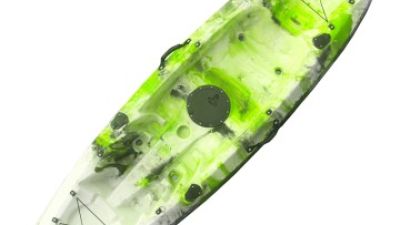
Manufactured in China from durable LLDPE/HDPE, this kayak is formed through advanced monolithic molding technology, creating a resilient hull designed for demanding outdoor use. Its robust construction helps it withstand contact with rough shorelines, roaring rapids, and jagged rocks, while the solo format supports independent exploration and easier handling during launch, transport, and portage. The *American Canoe Association’s Safety Education and Instruction Report* consistently emphasizes selecting equipment suited to water conditions and paddler ability—making durability, stability, and reliable control essential considerations for backcountry adventures. Whether navigating winding rivers or venturing along rugged coastal routes, this all-terrain vessel is made for paddlers who welcome unpredictable water and value dependable performance.
FAQS
An air kayak uses sealed air chambers for flotation. It folds into a compact carrying bag. Separate chambers add stability and backup buoyancy. Pressure matters.
Correct inflation makes the hull firm for paddling and turning. It can handle moderate waves when used appropriately. However, tracking may feel less precise than a rigid kayak. A removable fin can improve straight-line control.
Choose a wide recreational model for better stability. Sit-on-top designs simplify entry and drain water easily. Sit-inside models offer more protection from wind and splashes. A narrow hull travels faster but feels less forgiving.
Not every model can. Moving water requires reinforced floors, secure foot bracing, and effective drainage. A self-bailing design is not risk-free. Check the intended water conditions before launching.
Check weight capacity, folded weight, packed length, and carry handles. Include adults, water, camping equipment, and other cargo in the load. Inspect the floor, seams, valves, seat support, and drying access. Packed size can mislead.
Use a pump with a readable pressure gauge. Inflate it on level ground within the stated pressure range. Listen for escaping air around valves and seams. Avoid overinflation, especially during hot weather.
Wear a properly fitted personal flotation device during every outing. Test entry and exit in shallow water near shore. Keep sharp objects away from the hull. Carry a compact pump, repair patch, and valve tool.
Rinse away salt, sand, and grit after each trip. Dry every chamber, valve, crease, and floor area completely. Fold it loosely and store it in a cool, shaded place. Small mistake: packing it wet can cause mildew and odor.
Do not choose by color or packed size alone. A lake-focused kayak may feel unstable on moving rivers. I once underestimated drying time and created an unpleasant smell. That mistake changed my routine.
Conclusion
Choosing the best Air Kayak in 2026 starts with understanding how inflatable chambers create buoyancy, flexibility, and easy storage. Different types are designed for calm lakes, rivers, touring, fishing, or recreational use, so your choice should match your planned activities. Pay close attention to construction quality, reinforced seams, protective layers, and materials that can withstand regular use. Size and weight capacity are equally important, especially when carrying equipment or paddling with another person.
A good Air Kayak should offer reliable stability, smooth tracking, comfortable seating, and responsive handling. Consider how quickly it inflates, the quality of its valves and pump, and whether it can be packed and transported conveniently. Safety features such as multiple air chambers, secure fittings, and visible design elements can improve confidence on the water. Finally, regular cleaning, proper drying, careful storage, and routine inspections will help maintain performance and extend the kayak’s service life.