Leave Your Message
0%

Picking out an Inflatable Kayak really can make a difference when it comes to how easily you get on the water. Unlike those hard-shell types, an inflatable one folds up into a carry bag and can even fit in most car trunks. Honestly, that little detail matters, especially if you're tight on storage space. Plus, a deflated kayak is super handy for taking on public transport or squeezing through narrow trails. It kind of feels like a no-brainer before you even start paddling.

When you’re on calm lakes or gentle rivers, modern inflatable kayaks can actually surprise you with their stability. Features like wide floors, adjustable seats, and multiple air chambers make handling pretty confident. Good quality models often use reinforced PVC or drop-stitch tech, which gives them a kind of rigidity—helps them keep their shape. They’re also pretty good at resisting scrapes from things like sand, shallow stones, or dock edges. But, fair warning, the quality can vary. Cheaper models might feel a bit soft, track weirdly, or even lose pressure after a while.

Most experienced paddlers tend to check a few things before buying: weight capacity, how the valves work, whether there’s a repair kit included, and what the manufacturer recommends. I’d also suggest testing out the seat adjustments and the inflation process at home—that ten minutes chilling by the sofa can save a lot of hassle on the water. And let’s not forget safety! Always wear a properly fitted personal floatation device and give your kayak a quick once-over before heading out.

Now, inflatable kayaks are super convenient, but that doesn’t mean they’re perfect for every route. Hard-shell kayaks might glide faster, handle windy conditions a touch better, and generally be more durable if you’re planning to go all out regularly. So, the best choice really depends on how you'll use it—consider things like how you transport it, water conditions, storage options, and what you realistically expect from your kayak. Remember, the convenience is great, but never skip the prep work or honest assessment of your skill level. Safety always comes first, no matter what kind you choose.
Why Choose an Inflatable Kayak Over a Hard Shell?

What Is an Inflatable Kayak?

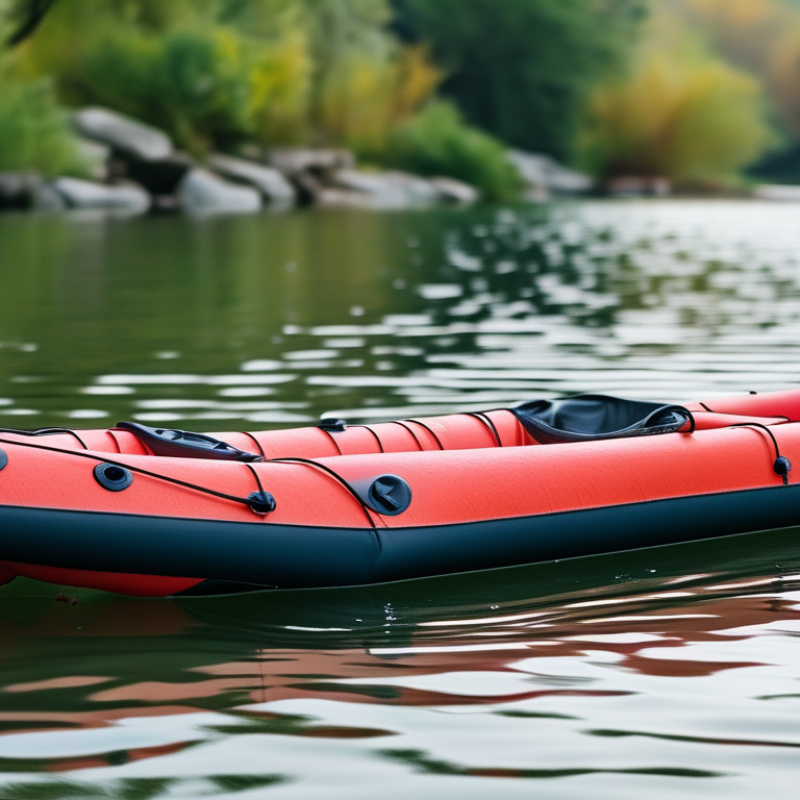
An inflatable kayak is a lightweight watercraft made from flexible, reinforced materials. Air chambers give it shape, buoyancy, and surprising stability. When deflated, it fits into a carry bag and can travel in a car trunk or on public transport. That portability is its clearest advantage over a hard-shell kayak.

Setup takes some effort. A hand pump may require several minutes, especially on a warm beach with no shade. The kayak should feel firm, but never overstretched. Check the valves, seams, and floor before entering the water. A small leak can change the experience quickly. I once rushed this inspection and noticed a soft chamber after launching. It was manageable, but avoidable.

On calm lakes and slow rivers, an inflatable kayak can feel comfortable and forgiving. Its wider shape often helps beginners remain balanced. The flexible hull also handles light contact with a sandy shore better than many people expect. Still, it may track less sharply than a rigid kayak, and wind can push its higher sides sideways. Dry the kayak fully before storage. Trapped moisture may create unpleasant odors or damage the fabric over time. It is not maintenance-free, and that detail is easy to overlook.

How Inflatable and Hard-Shell Kayaks Differ

Why Choose an Inflatable Kayak Over a Hard Shell?

An Inflatable Kayak and a hard-shell kayak behave differently on the water. The contrast becomes clear before launch. An inflatable model usually packs into a manageable bag, making transport easier for apartments, small cars, and public transit. It needs inflation, inspection, and drying after use. That preparation takes time, sometimes more than expected. A hard shell can launch immediately, but carrying it to the shoreline may require roof racks or a second person.

On calm lakes, an inflatable kayak often provides comfortable stability because its wide air chambers absorb small movements. Its softer sides also reduce worries near rocky banks. However, it may feel less responsive during sharp turns or strong wind. Hard shells generally track more precisely and glide efficiently, especially on longer trips. Their rigid hulls handle repeated use well, yet scratches and storage damage remain practical concerns. Neither design wins every situation.

Material quality, seam construction, floor stiffness, and repair options deserve close inspection. I once underestimated how long a wet inflatable kayak could take to dry, and that created an unpleasant storage problem. A careful owner checks pressure before every outing and avoids dragging the kayak across rough ground. Hard-shell users should inspect carrying points and hull damage regularly. Weight, water conditions, storage space, and maintenance habits often matter more than appearance. Surface performance can change quickly when wind rises.

Key Benefits of Choosing an Inflatable Kayak

An inflatable kayak offers a practical advantage that hard-shell designs cannot match easily: transport. According to the Outdoor Foundation’s 2024 Outdoor Participation Trends Report, 20.38 million Americans went recreational kayaking in 2023. That growing audience includes apartment dwellers, travelers, and occasional paddlers. For them, storage can matter as much as speed. Fold it. Carry it. Store it. An Inflatable Sea Kayak can fit inside a vehicle’s trunk, reducing the need for roof racks or large storage areas.

Most quality inflatable kayaks use layered synthetic fabrics, reinforced seams, and separate air chambers. These features can improve stability and reduce the impact of minor shoreline contact. A wide, inflated floor also creates a comfortable platform for relaxed paddling. On a calm lake, setup may take only several minutes with a suitable pump. The trade-off is real, though. Inflation takes effort, and wind can affect tracking more than expected. I once underestimated that difference; a short crossing became tiring and slow.

Maintenance strongly affects reliability. Dry the kayak fully before packing it, especially after saltwater use. Check valves, seams, and pressure before every launch. A pressure gauge helps prevent underinflation. Safety matters more than convenience: the U.S. Coast Guard’s 2023 Recreational Boating Statistics reports that 87% of fatal drowning victims were not wearing life jackets. Carry a properly fitted personal flotation device, even in shallow water. An inflatable kayak is not maintenance-free. It simply makes paddling more accessible, portable, and realistic for many everyday users.

Portability, Storage, and Setup Requirements

Choosing an inflatable kayak often begins with the car, not the water. After several weekend trips, I found it easier to carry than a hard shell. A deflated kayak fits into a compact storage bag, leaving room for camping gear and a cooler. Carrying it from the parking area also feels less demanding. That matters on uneven paths. However, portability has a catch. Wet fabric and sand need attention. I once packed mine too quickly, and the bag became unpleasantly damp.

Storage is another practical advantage. An inflatable kayak can sit in a closet, garage corner, or apartment cupboard. It does not require a wall rack or a large vehicle. Still, it must be completely dry before storage. A damp kayak may develop odors or material problems over time. Setup usually takes several minutes, including inflation, fitting the seat, and checking the valves. A hard shell launches faster, honestly. I sometimes underestimate this preparation time, especially when the wind is already rising.

Tips: Practice inflation at home before your first outing. Use a small pressure gauge when possible. Lay the kayak on a clean surface, away from sharp stones and rough concrete. Check the valves before entering the water. Pack a towel for drying. Leave extra time. A simple checklist prevents rushed decisions, although I still occasionally forget one small item.

Why Choose an Inflatable Kayak Over a Hard Shell?

Portability, storage, and setup requirements can differ significantly between kayak types. The chart uses a representative single-kayak benchmark, with the hard-shell kayak set to 100 for each category.

In this benchmark, the inflatable kayak packs to approximately 0.8 m compared with 3.2 m for a hard-shell kayak, weighs about 12 kg compared with 22 kg, and takes around 8 minutes to inflate compared with roughly 2 minutes to launch a hard-shell kayak. Exact figures vary by kayak size and construction, but inflatable models generally require less storage space and are easier to transport.

Safety, Stability, and On-Water Performance

Choosing an inflatable kayak is not merely about easier storage. It can change safety, stability, and on-water performance. The Outdoor Foundation’s 2024 Outdoor Participation Trends Report estimated over 20 million recreational kayaking participants in 2023. More people are entering moving water, where equipment decisions matter.

An Inflatable Fish Kayak usually offers strong initial stability through its wide, buoyant floor. That steadiness helps anglers cast, adjust seating, and land fish without sudden leaning. It also feels forgiving against docks and shallow rocks. The U.S. Coast Guard’s 2023 Recreational Boating Statistics recorded 564 boating deaths and 2,126 injuries. These figures do not prove inflatables are safer, but they reinforce the need for training, flotation equipment, and weather checks. No kayak prevents poor judgment.

Wide tubes can reduce tipping anxiety.

On calm lakes, an inflatable kayak tracks comfortably and absorbs small waves. Its air-filled structure can feel softer during contact. However, wind may push it sideways more easily than a narrow hard shell. Inflation pressure also affects control. Too little pressure creates sluggish handling; too much can reduce comfort. In my experience, convenience often encourages longer trips, yet setup mistakes remain possible. I once treated stability as a guarantee. That was careless. A hard shell may paddle faster and edge more precisely, but an inflatable can provide practical confidence for beginners, families, and anglers who value transportability. Always inspect valves, seams, floor pressure, and drain points before launching.

Limitations and Factors to Consider Before Choosing One

Why Choose an Inflatable Kayak Over a Hard Shell?

An inflatable kayak is easier to carry, but convenience comes with practical limits. A packed boat can fit inside a car trunk, yet inflation may take 10 to 15 minutes beside the water. I have found that rushing this step creates uneven pressure and weaker handling. Check the floor, valves, and seams before every launch. Small leaks are easier to manage on land.

Wind can expose another weakness. Lightweight Inflatable Kayaks may drift sideways, especially on wide lakes or open coastal water. Their flexible hulls also track less precisely than rigid designs. A removable skeg can improve control, but it will not eliminate the problem. Beginners sometimes underestimate this difference. Calm water is usually a better starting point.

Comfort depends on more than the boat itself. An Inflatable Kayak Seat should support your lower back without raising your center of gravity too much. A high seat may feel comfortable at first, then make the kayak feel unstable. Drying the kayak fully is essential, because trapped moisture can create odors and material damage. Storage also requires care. Folding it while gritty or damp is an avoidable mistake. Weight limits, repair access, packing space, and local water conditions deserve attention before purchase.

Why Choose an Inflatable Kayak Over a Hard Shell? - Limitations and Factors to Consider Before Choosing One

Decision Factor Inflatable Kayak Hard-Shell Kayak What to Consider Before Choosing
Portability Deflates into a compact package that can usually be carried in a vehicle trunk or checked as sports equipment, subject to carrier rules. Requires a roof rack, trailer, or a large vehicle because the hull remains rigid. An inflatable is generally more practical for public transport, apartment storage, and trips involving frequent carrying.
Storage Needs substantially less storage space when clean, dry, and deflated. Needs a long, stable storage area and may require wall or ceiling supports. Measure your available storage area and allow room for drying and maintenance.
Setup Time Requires inflation, assembly of removable parts, pressure checks, and later drying before storage. Normally ready to launch immediately after transport. Choose an inflatable when compact transport matters more than the quickest launch.
Weight Often lighter and easier to carry over short distances, although pumps, seats, fins, and repair kits add weight. Can be heavier and awkward to carry, particularly for solo users. Compare the complete packed or transport weight, not only the hull weight.
Durability Quality models use reinforced fabric or multi-layer materials, but they can still be damaged by sharp rocks, hooks, abrasion, or improper handling. Rigid materials generally resist punctures and abrasion better, although they can crack, deform, or suffer hull damage from impacts. Review the intended water conditions and carry suitable repair or maintenance equipment.
Stability Many recreational inflatables have broad, stable designs that suit beginners and calm-water use. Stability varies widely; narrower hulls may feel less stable but can provide more efficient tracking and paddling performance. Prioritize width, hull shape, and intended use rather than assuming one construction type is always more stable.
Tracking and Speed Can be slower or less directional, especially in wind, because flexible components and higher wind exposure may affect handling. Usually offers more efficient waterline performance, stronger tracking, and better speed potential. For long-distance touring or frequent strong-wind paddling, compare hull length, rocker, fin systems, and load capacity.
Wind Sensitivity The elevated profile of some models can catch more wind and make paddling or course correction harder. A lower, more streamlined profile may reduce wind exposure, depending on the design. Check local wind and weather patterns before selecting an inflatable for open water.
Comfort Often provides a softer, more forgiving seating area and can be comfortable for recreational paddling. Offers a firmer platform and may provide more precise foot bracing and paddling control. Consider seat adjustability, legroom, back support, and how long each outing typically lasts.
Water Conditions Best suited to calm lakes, slow rivers, sheltered bays, and conditions within the craft’s safety rating. Available in designs for recreational lakes, touring, surf, and more demanding conditions, depending on specifications. Never rely only on construction type; follow the kayak’s capacity, design category, and local safety guidance.
Puncture and Air-Retention Risk A puncture, loose valve, or pressure loss can reduce performance and buoyancy, although multiple air chambers can provide additional redundancy. Does not depend on air pressure for flotation and has no inflatable skin or valve to leak. Check valves, seams, and pressure before launch; carry a compatible repair kit and follow safety procedures.
Maintenance Requires rinsing, complete drying, periodic valve inspection, pressure checks, and careful folding. Requires rinsing, inspection for scratches or cracks, and protection from prolonged heat or unsuitable storage supports. An inflatable is convenient to store but not maintenance-free; moisture trapped during storage can cause problems.
Repairability Small punctures and leaks may be repairable in the field with the correct patch material, adhesive, and preparation. Minor scratches may be manageable, while cracks or major structural damage can require specialized repair. Confirm that replacement valves, patches, and repair instructions are available for the specific construction.
Capacity and Load Often available in solo and tandem formats, but heavy loads can reduce freeboard and handling performance. Offers a broad range of touring and recreational capacities, with more rigid load-support characteristics in many designs. Include paddler weight, clothing, water, safety gear, camping equipment, and other cargo when checking capacity.
Best Match for Beginners A practical choice for beginners seeking easy transport, compact storage, and stable recreational paddling on suitable water. A practical choice for beginners who have sufficient storage and transport and want immediate launch readiness or more responsive handling. Select based on location, transport, storage, skill level, and planned water conditions rather than price alone.

Safety note: Always wear an appropriate personal flotation device, check weather and water conditions, stay within the kayak’s stated capacity, and follow applicable local boating regulations.

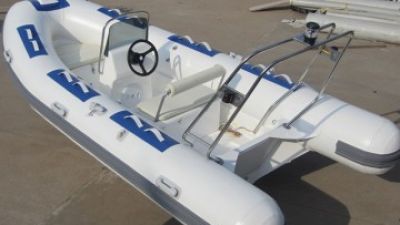
China iLife Small Fiberglass Hull RIB Boats: Durable Inflatable Craft from a Trusted Factory

Built for reliable performance on the water, these small fiberglass-hull Rib Boats are manufactured in China with a focus on practical design and careful craftsmanship. Their inflatable tubes are made from premium marine-grade PVC or Hypalon fabric, offering a strong balance between portability and durability. PVC construction keeps the boats lightweight, making launching, storage, and transportation more convenient, while Hypalon delivers excellent resistance to sunlight, weather exposure, and demanding marine conditions.

The fiberglass hard-bottom range measures from 2.6 to 4.3 meters, providing suitable options for solo outings, family fishing trips, coastal exploration, and group activities. The rigid hull improves stability and handling, helping passengers enjoy a more controlled ride in changing water conditions. Each boat is produced by an experienced factory with attention to material quality, structural strength, and dependable finishing, supporting long-term use for recreational boaters, professional operators, and outdoor enthusiasts. Available layouts and sizes can accommodate different engines, seating needs, and equipment preferences, giving users greater flexibility for peaceful excursions or energetic adventures.

FAQS

: What is an inflatable kayak?

: It is a lightweight kayak made from flexible, reinforced materials. Air chambers provide shape, buoyancy, and stability. Deflated, it fits inside a carry bag.

Where does an inflatable kayak perform best?

Calm lakes and slow rivers are usually suitable. Its wider shape helps beginners stay balanced. Rough water requires stronger skills and careful planning.

How long does setup usually take?

Inflation may take several minutes with a hand pump. The kayak should feel firm, never overstretched. Setup takes time.

What should I inspect before launching?

Check the valves, seams, floor, and drain points. Look for soft chambers or visible damage. A small leak can worsen quickly.

Is an inflatable kayak stable for beginners?

Its wide, buoyant floor often creates strong initial stability. This can help with seating, casting, and gentle shoreline contact. Stability is not a guarantee.

How does wind affect performance?

Higher inflatable sides can catch wind and push the kayak sideways. Light pressure may cause sluggish handling. Excessive pressure may reduce comfort.

Is an inflatable kayak suitable for fishing?

Many designs offer steady platforms for casting and adjusting seats. The flexible structure handles light contact with shallow shores. Secure loose equipment carefully.

What safety equipment should I carry?

Wear suitable flotation equipment and check weather conditions before departure. Learn basic paddling and rescue skills. Never depend on the kayak alone.

How should I store an inflatable kayak?

Rinse it, dry every surface, and remove trapped moisture. Damp fabric may develop odors or damage over time. I once rushed drying, and regretted it.

What are the main disadvantages?

Inflation requires effort, and tracking may feel less precise than a rigid kayak. Punctures, pressure changes, and wind can affect handling. Convenience can invite careless preparation.

Conclusion

An Inflatable Kayak is a lightweight watercraft made from durable, flexible materials that can be inflated when needed and deflated for transport and storage. Compared with a hard-shell kayak, it is generally easier to carry, requires less storage space, and can be transported in a car or carried over longer distances. Setup usually involves unpacking, inflating, checking the air chambers, and securing the necessary equipment before launching.

Inflatable kayaks offer impressive portability, convenient storage, and good stability, making them suitable for beginners, casual paddlers, and many recreational waters. Their flexible construction can provide comfort and reduce concerns about minor impacts, while modern designs can deliver reliable tracking and enjoyable on-water performance. However, they may take time to set up, can be affected by wind, and usually require careful inspection for punctures or air loss. Before choosing one, consider the intended water conditions, durability, weight capacity, maintenance needs, and whether its performance matches your paddling goals.

Ethan

Ethan

Ethan is a dedicated marketing professional at Qingdao Ilife Industries Co., Ltd., a company renowned for its exceptional product quality and comprehensive service system. With a deep understanding of the company’s core business and strong technical capabilities, Ethan plays a crucial role in......
Previous Best Inflatable Boats for Easy Water Adventures?