When it comes to maritime safety, you really can’t underestimate how crucial good-quality Yacht Fenders are. These little guys may seem simple, but they’re basically your first line of defense against bumps and scrapes—whether it’s a collision with a dock or another boat. As seasoned marine safety expert Captain John Smith often points out, "Investing in quality yacht fenders isn’t just about avoiding damage; it’s about keeping your boat in great shape for years to come." So, for boat owners, it’s all about choosing fenders that are tough, durable, and work well enough to protect your vessel no matter what.
At Qingdao Ilife Industries Co., Ltd., we get it—top-notch quality and good service are key when picking out yacht fenders. We’re always pushing ourselves to develop basically indestructible products that can handle even the roughest marine conditions. That’s why both domestic and international clients trust us. In this article, we’re diving into the top five yacht fenders on the market right now—what makes them stand out, and how they can help keep your boat safe and sound.
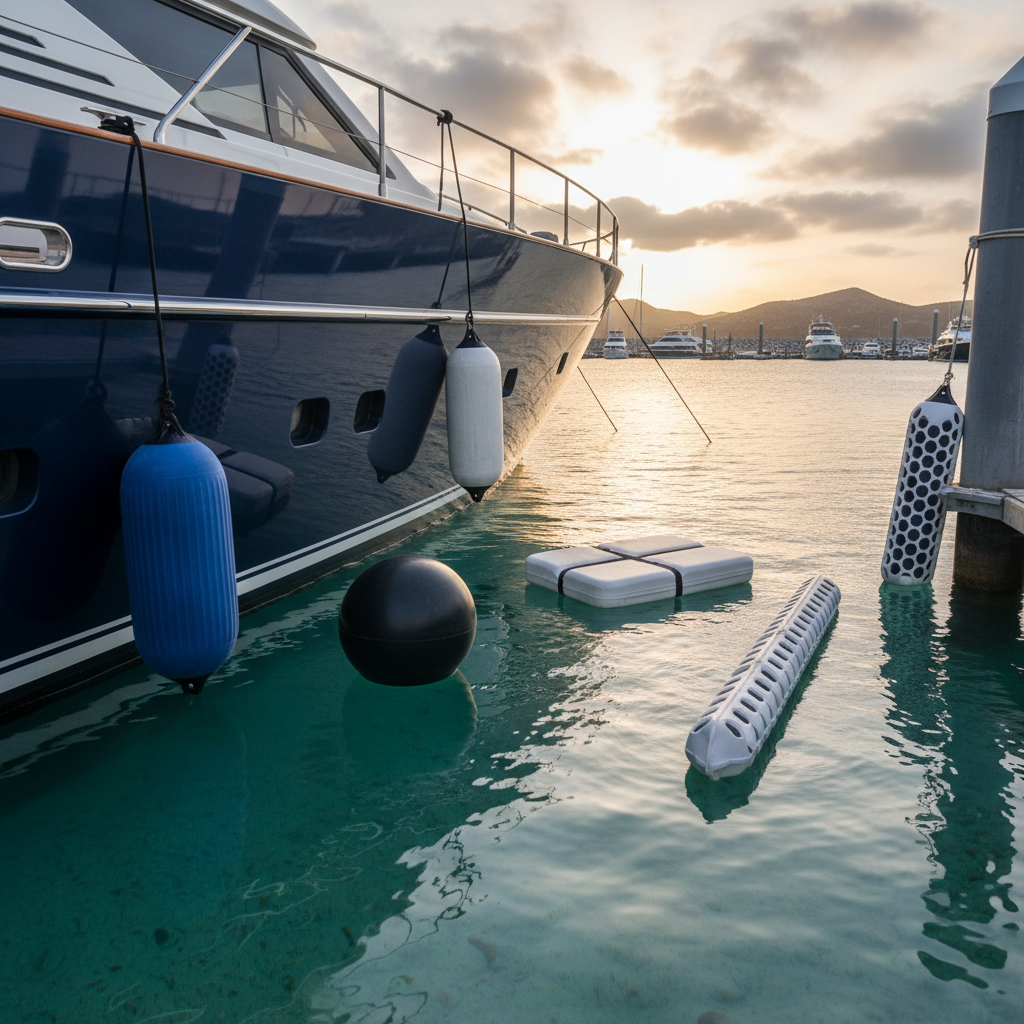
When selecting yacht fenders, there are several key features to consider that can significantly impact their effectiveness in protecting your vessel. The material is of utmost importance; you want fenders made from durable, UV-resistant materials to withstand harsh marine conditions. Look for high-density polyethylene or PVC construction, which provide both strength and flexibility. Additionally, consider the fender's design, as a cylindrical or donut shape can offer better protection against impacts compared to flat fenders.
Size and buoyancy are also crucial aspects. The correct size will depend on your yacht's dimensions and the expected docking scenarios. Generally, larger fenders provide more cushioning but can be harder to handle. For optimal protection, choose fenders with adequate buoyancy to ensure they remain afloat during various tide levels and boat movements.
Tips: Always assess the docking environment before purchasing. In areas with strong currents or waves, larger and heavier fenders may be more suitable. Keeping a selection of different sizes on board can also be strategic, allowing for versatility in various docking situations. Regularly inspect your fenders for any signs of wear or damage to maintain maximum protection for your yacht.
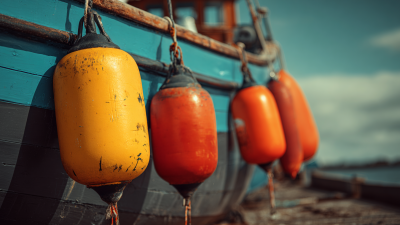
When it comes to selecting the right yacht fenders, understanding the various types available in the market is crucial for ensuring adequate protection. The most common types include cylindrical fenders, which provide even cushioning and are ideal for both small and large boats. Their design allows for easy maneuverability, making them versatile for different docking situations. Inflatable Fenders are also popular, offering lightweight options that are easy to store and handle, yet still provide excellent shock absorption in marine environments.
Another type to consider is the corner fender, specifically designed for boats with sharp edges or unusual shapes. These fenders wrap around corners to absorb impacts effectively and prevent damage to both the yacht and the surrounding structures. Additionally, fixed fenders provide a permanent solution that typically remain attached to marinas and docks, offering a robust protective barrier. Each type of fender serves a unique purpose, so evaluating your yacht's design and typical mooring scenarios will help determine the best fit for your specific needs.
When it comes to safeguarding your yacht against the rigors of marine environments, selecting the right fender is crucial. Leading brands in the industry have developed advanced designs that not only absorb impacts effectively but also resist environmental wear and tear. According to a recent marine safety report, nearly 70% of yacht owners reported damage due to inadequate fender protection, underscoring the importance of investing in high-quality fenders.
Among the top brands in yacht fenders are Polyform and Taylor Made. Polyform's G series fenders, for example, feature a patented design that provides superior inflation capabilities and strength against punctures. Meanwhile, Taylor Made's fenders are known for their UV resistance and adaptability to various docking situations. A study published by the Marine Association emphasizes that fenders from reputable manufacturers like these can reduce the risk of hull damage by up to 40%, highlighting their importance in maintaining both safety and aesthetic integrity of your vessel.
Another noteworthy brand is SeaDog Line, which combines durability with user-friendly features. Their fenders are crafted from marine-grade materials that withstand harsh saltwater conditions and corrosive elements. Research from the International Maritime Organization indicates that using high-quality fenders can extend the lifespan of yachts significantly, proving that the right choice in yacht fenders can result in substantial long-term savings for owners.
| Fender Type | Material | Size (inches) | Weight (lbs) | Price Range ($) |
|---|---|---|---|---|
| Inflatable Fender | PVC | 30 | 4 | 50-70 |
| Solid Foam Fender | Polyurethane | 24 | 5 | 40-60 |
| Ball Fender | Vinyl | 12 | 2 | 20-35 |
| Keel Fender | Rubber | 18 | 6 | 30-50 |
| Dock Fender | Polyethylene | 36 | 10 | 60-90 |
When it comes to ensuring the safety of your yacht, proper installation of fenders is crucial for optimal protection. Begin by selecting the right size and material of fenders based on your yacht’s dimensions and the marine environment you’re navigating. Ideally, fenders should be placed strategically along the hull to distribute impact force evenly. Utilize fender covers to enhance durability and prevent wear from environmental factors, ensuring they last longer and perform better.
Properly securing your fenders is also essential. Use high-quality fender lines that are appropriately cut to the length needed for your yacht. This not only prevents the fender from shifting but also ensures that it can absorb shock effectively during mooring or docking. Regularly inspect the fenders for any signs of wear or damage, and adjust their positioning as needed to adapt to changes in tide or docking conditions. By following these installation tips, you'll maximize the performance of your yacht fenders and maintain the integrity of your vessel in a variety of marine environments.
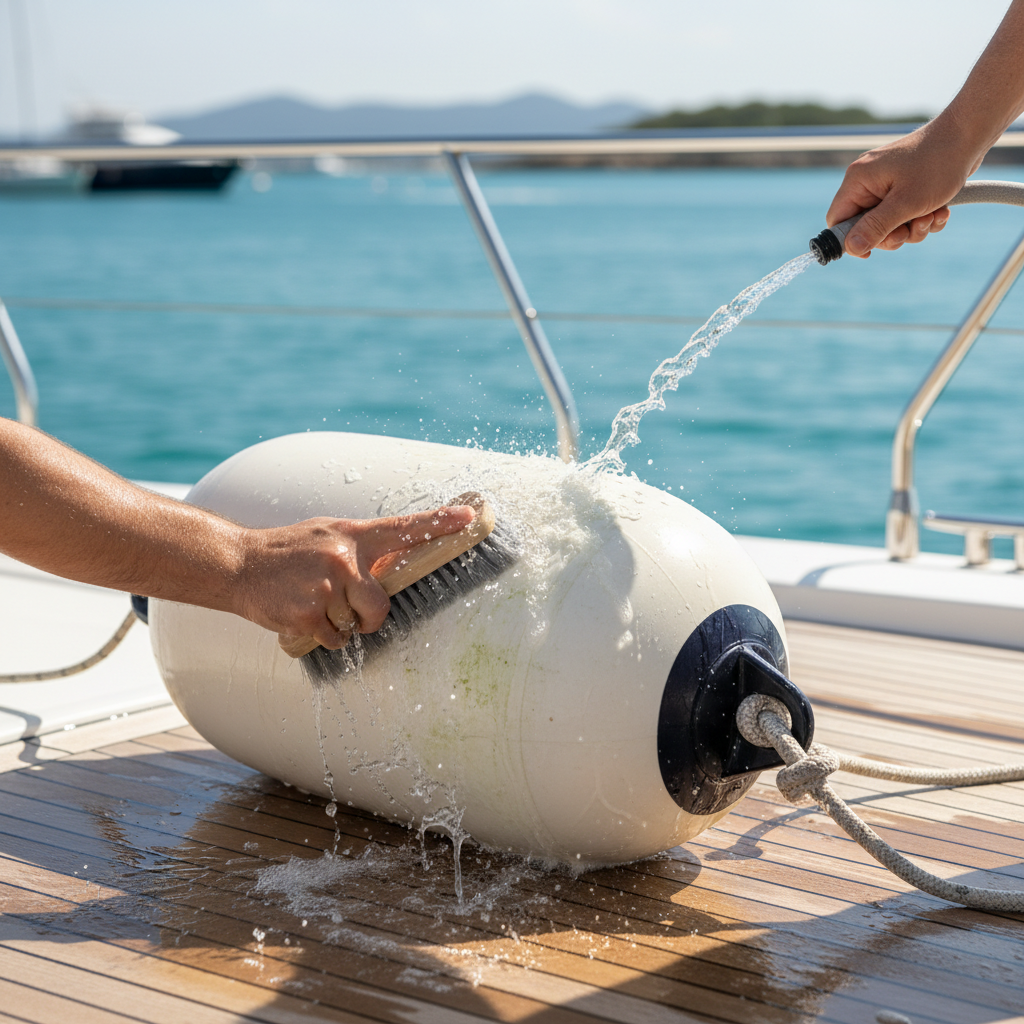
Maintaining yacht fenders is crucial for ensuring their longevity and effectiveness in protecting your vessel from damage in marine environments. Regular inspection is the first step in proper care. Check for signs of wear, such as cracks or punctures, which can compromise their performance. Cleaning fenders after each use, especially when exposed to saltwater, prevents the buildup of grime and algae that can deteriorate materials over time. A simple rinse with fresh water and a soft brush will help maintain their integrity.
Proper storage is equally important. When not in use, store fenders in a cool, dry place, avoiding direct sunlight which can cause fading and degradation of synthetic materials. If fenders have inflatable components, ensure they are fully deflated to prevent strain on the seams. Additionally, using protective covers while they are in storage can shield them from environmental factors. These maintenance practices will not only prolong the life of your yacht fenders but also ensure your boat remains well-protected on every voyage.
When selecting yacht fenders, one of the critical choices is between inflatable and solid fenders, each with distinct advantages suited for different marine environments. Inflatable fenders are particularly favored for their lightweight nature and ease of storage. They can be deflated and packed away when not in use, making them ideal for cruisers with limited space. Additionally, their air-filled design provides excellent cushioning, effectively absorbing shocks during docking or rough seas. However, they can be susceptible to punctures, which might lead to deflation unless properly maintained.
On the other hand, solid yacht fenders, often made from high-density foam or rubber, are known for their durability and robust performance. These fenders are less likely to be damaged or deflated, ensuring consistent protection for the hull. Their rigid structure allows them to withstand harsh conditions, making them a reliable choice for those sailing in more rugged environments. Although they can be bulkier and more challenging to store, their long lifespan and reliability in variable weather often justify the trade-off for many boat owners.
Ultimately, the choice between inflatable and solid fenders hinges on specific needs, space availability, and the type of sailing conditions expected.
: You should choose fenders made from durable, UV-resistant materials like high-density polyethylene or PVC, as these provide strength and flexibility to withstand harsh marine conditions.
Cylindrical or donut-shaped fenders generally offer better protection against impacts compared to flat fenders.
The correct size depends on your yacht's dimensions and the expected docking scenarios. Generally, larger fenders provide more cushioning, but ensure they are manageable.
Choose fenders with adequate buoyancy to ensure they remain afloat during various tide levels and while your boat is moving, which is crucial for optimal protection.
In environments with strong currents or waves, larger and heavier fenders may be more suitable for effective protection.
Top brands include Polyform, Taylor Made, and SeaDog Line, known for their advanced designs and durability in marine environments.
Using reputable fenders can reduce the risk of hull damage by up to 40% and significantly extend the lifespan of your yacht, leading to long-term savings.
Regularly inspect your fenders for any signs of wear or damage to ensure they provide maximum protection for your yacht.
Polyform's G series fenders offer superior inflation capabilities and puncture strength, while Taylor Made fenders are known for their UV resistance and adaptability to various docking situations.
Keeping a selection of different sizes allows for versatility in various docking situations, enhancing overall protection for your yacht.
When selecting yacht fenders, several key features such as durability, buoyancy, and ease of installation must be taken into account to ensure maximum protection in marine environments. Understanding the different types of yacht fenders available—whether inflatable or solid—can help you choose the best option that suits your specific needs.
In addition to exploring the top five yacht fender brands acclaimed for their superior marine protection, the article provides installation tips and maintenance advice for ensuring longevity and optimal performance. As recognized in the industry, companies like Qingdao Ilife Industries Co., Ltd. deliver high-quality yacht fenders backed by strong technical expertise, cementing their reputation in both domestic and global markets.