So, did you know that by 2026, China’s really become a major hub for making Inflatable Motor Boats? It’s no joke—companies there serve all kinds of folks: from folks looking for some fun on the water, rescue teams needing reliable gear, fishing communities, and even professional operators around the world. But here’s the thing — just because these factories are big doesn’t automatically mean you’re gonna get top-notch quality. Size isn’t everything, right?
In this guide, we’re gonna look at ten of the top Chinese manufacturers, and we’ll cover things you should really think about before making a purchase. Stuff like what kind of materials they use, how consistent their welding is, the design of their valves, how strong the transoms are, tube protection details, and if their motors are compatible. We also pay attention to how much experience they have, their export records, certifications, warranty policies, and how easy it is to get spare parts. Little details can make a huge difference—a poorly fitted drain plug on the water? That’s a pain. Or weak reinforcement near the motor mount? That could mean your boat doesn’t last as long as you’d hope.
We base our research on info from the companies themselves, product specs, customer reviews, and industry data whenever available. We also look at how transparently each maker explains their testing processes and after-sales commitments. A trustworthy supplier doesn’t just hype up their max speed or payload—they’re upfront about limits and potential issues, which is often overlooked but super important.
Now, just a heads-up—this ranking isn’t set in stone. Prices, configurations, and quality controls can shift throughout 2026. Some of these companies might even do awesome custom work, but they don’t always share enough technical details, making side-by-side comparisons tricky. So, do your homework—double-check current specs, manufacturing sites, inspection reports, and local standards before placing any orders. The brands on our list are solid options, but you’ve got to be diligent. A good boat should fit the water conditions you’ll be using it in, the kind of load you plan to carry, the motor you want to use, storage needs, and maintenance. And hey, always test performance yourself because marketing talk is great, but real-world testing is what really counts.
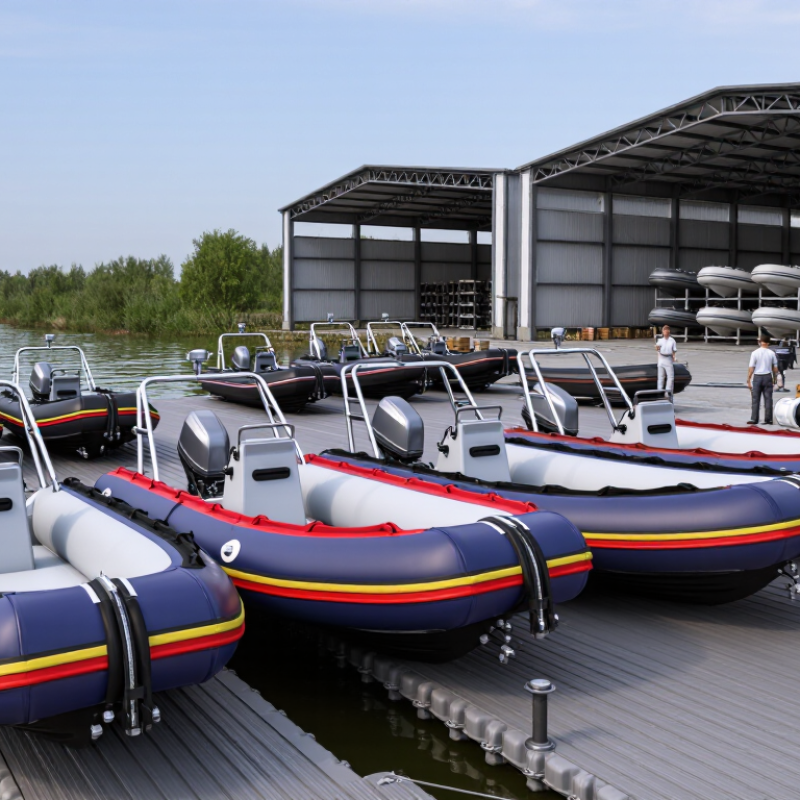
An inflatable motor boat is a lightweight watercraft built with air-filled tubes and a rigid or flexible floor. The phrase Motor Boat Inflatable often describes boats powered by an outboard engine, rather than simple rowing tenders. Its tubes usually use reinforced PVC or CSM fabric, with welded seams and separate air chambers. These chambers improve buoyancy if one section loses pressure.
Design begins with balance. A wider beam can improve stability, while a deeper inflatable keel helps the boat track through small waves. The transom must support the engine securely. Many practical models include aluminum floors, high-pressure drop-stitch sections, lifting handles, and drain valves. These details matter when carrying fuel, equipment, or several passengers. Weight still matters. A strong boat can become difficult to launch alone.
During inspection, check seam consistency, valve performance, floor stiffness, and transom bonding. Test the boat at moderate speed before carrying a full load. Engine size should match the manufacturer’s tested capacity, not personal confidence. That mistake is common. Storage also affects service life; folding a wet boat can encourage mildew and fabric damage. No design is perfect. Even a stable inflatable may feel nervous in sharp turns or changing wind, so users must monitor pressure, load distribution, and weather conditions throughout each trip.
China’s inflatable boat industry has shifted from low-cost assembly toward engineered recreational and rescue craft. Grand View Research estimated the global Inflatable Boats market at about USD 1.8 billion in 2023. It also projected steady growth through 2030. This demand encouraged Chinese factories to improve materials, welding, and quality control.
PVC remains common because it is affordable and easy to repair. Hypalon-type fabrics are selected for stronger chemical and weather resistance. Modern workshops now use high-frequency welding, computerized cutting, and pressure testing. Drop-stitch floors have also become more popular. They feel firm underfoot, almost like a hard deck, while remaining lightweight.
The change is visible in production details. Workers inspect valve bonding, seam pressure, and tube symmetry before packing. Many manufacturers now document batch numbers and material certificates. ISO 6185 provides a useful technical reference for inflatable boats. China Customs trade data also shows sustained international movement in recreational watercraft under HS 8903 classifications.
The picture is not perfect. Some suppliers still prioritize appearance over long-term seam durability. This can create failures after repeated inflation, sunlight, or rough handling. Buyers should request test records, fabric specifications, and traceable inspection reports. Production capacity alone proves little. Independent testing remains valuable, especially for high-powered motor boats and commercial use.
Ranking China’s top inflatable motor boat manufacturers in 2026 requires more than comparing prices. The review should examine verified production experience, material quality, engineering control, and customer support. A reliable Rib Motor Boat needs stable tubes, accurate seams, strong transoms, and predictable handling. Factory visits, sample inspections, and user feedback can reveal details that brochures often miss.
The ranking criteria should include manufacturing capacity, quality inspection records, delivery performance, customization ability, and compliance with applicable safety standards. Export experience also matters, especially when manufacturers serve different climates and water conditions. Reviewers should compare warranty response times, replacement procedures, and technical communication. Transparent documentation strengthens authority. However, no ranking is perfect. A well-equipped factory may still struggle with peak-season delays or inconsistent subcontracting.
Tips: Request recent production photos, inspection reports, and a complete specification sheet. Test the boat with its intended engine and load. Check seam finishing closely. Ask how defects are recorded and corrected. Do not judge long-term value from a low quotation alone. Some conclusions may change after repeated field use, so rankings should remain open to careful revision.
Profiles of China’s Top 10 Inflatable Motor Boat Manufacturers
China’s leading inflatable motor boat manufacturers differ in practical ways. One focuses on welded PVC hulls for rental fleets. Another builds lightweight boats for anglers and family transport. A third supplies durable fabric options for demanding coastal work. These profiles reflect production experience, not simple sales rankings.
The fourth manufacturer is known for reinforced transoms and larger outboard mounts. The fifth develops compact tenders for narrow storage lockers. The sixth offers custom colors, console layouts, and accessory packages. The seventh emphasizes drop-stitch floors for firmer footing. The eighth produces rescue-oriented designs with grab lines and high-visibility panels. The ninth supports distributors with private-label production and flexible packaging. The tenth combines inflatable tubes with rigid floors for improved tracking.
Details matter. Several factories use heat-welded seams, pressure testing, and load checks before shipment. Ask for fabric thickness, valve specifications, repair-kit contents, and test records. A serious supplier should explain these points clearly. Inflatable Boats must match the intended water, engine weight, passenger load, and storage conditions. Some catalog measurements look impressive but omit realistic payload limits. That deserves scrutiny. I would inspect sample stitching, transom bonding, and drain plugs personally. Factory photos help, but they cannot replace independent sample inspection. Batch quality may vary, and even experienced buyers can overlook small hardware weaknesses.
Comparative profile table covering representative capabilities, product specifications, compliance practices, and export coverage.
| Rank | Anonymous Manufacturer Profile | Main Production Region | Primary Product Focus | Typical Boat Length | Tube Material | Recommended Engine Range | Passenger Capacity | Common Compliance Scope | Typical Export Markets |
|---|---|---|---|---|---|---|---|---|---|
| 01 | Profile A — High-volume OEM producer | East China coastal manufacturing cluster | Tender boats, rescue craft, and leisure RIBs | 3.0–7.5 m | 0.7–1.2 mm PVC or Hypalon-type fabric | 10–150 hp | 4–12 persons | CE-oriented construction; ISO-based quality procedures | Europe, North America, Australia, Southeast Asia |
| 02 | Profile B — Premium RIB specialist | Fujian coastal production area | Deep-V Rigid Inflatable Boats and sport tenders | 3.6–8.0 m | High-strength PVC and CSM-coated fabric | 20–250 hp | 5–14 persons | CE design documentation; marine hardware traceability | Western Europe, Mediterranean, Middle East |
| 03 | Profile C — Compact fishing-boat supplier | Shandong manufacturing belt | Portable Fishing Boats and family tenders | 2.4–5.0 m | 0.6–1.0 mm PVC fabric | 2.5–60 hp | 2–8 persons | CE-marking support; welded-seam inspection | North America, Europe, Latin America |
| 04 | Profile D — Commercial and rescue craft builder | Guangdong marine equipment cluster | Rescue boats, patrol craft, and workboats | 4.2–9.0 m | Commercial-grade PVC and CSM fabric | 30–300 hp | 6–18 persons | Project-specific inspection; load and flotation testing | Middle East, Africa, Southeast Asia, Oceania |
| 05 | Profile E — Custom OEM and private-label factory | Zhejiang manufacturing region | Custom-color tenders and dealer-series boats | 2.7–6.5 m | 0.7–1.2 mm PVC fabric | 6–115 hp | 3–12 persons | CE documentation; batch-based air-retention testing | Europe, South America, Africa |
| 06 | Profile F — Lightweight leisure-boat manufacturer | Jiangsu industrial corridor | Easy-launch boats and recreational tenders | 2.3–5.5 m | 0.6–0.9 mm PVC fabric | 2.5–75 hp | 2–10 persons | CE-oriented product testing; accessory inspection | Europe, Canada, Australia, New Zealand |
| 07 | Profile G — Heavy-duty military-style craft producer | Northern China industrial zone | Heavy-duty RIBs and tactical-style boats | 4.5–8.5 m | Reinforced PVC or CSM-coated fabric | 40–300 hp | 6–16 persons | Structural, flotation, and endurance testing | Africa, Middle East, Central Asia, Southeast Asia |
| 08 | Profile H — Foldable boat and expedition supplier | Shanghai-area export manufacturing base | Foldable motor boats and expedition tenders | 2.4–5.8 m | Lightweight PVC fabric with reinforced seams | 2.5–90 hp | 2–10 persons | Air-pressure retention and repeated-fold testing | Europe, North America, Japan, Oceania |
| 09 | Profile I — Small-batch premium tender maker | Guangxi and southern coastal region | Luxury yacht tenders and compact sport boats | 3.0–7.0 m | Premium PVC or CSM-coated fabric | 10–200 hp | 4–12 persons | CE technical files; customized hardware inspection | Mediterranean, Gulf states, Southeast Asia |
| 10 | Profile J — Value-focused international supplier | Central coastal China | Entry-level motor boats and multipurpose inflatables | 2.2–5.2 m | 0.6–1.0 mm PVC fabric | 2.5–60 hp | 2–8 persons | Basic CE support; production and leak testing | Latin America, Africa, Eastern Europe, South Asia |
Note: Specifications are representative industry ranges for China-made inflatable motor boats and may vary by configuration, material selection, engine installation, and applicable local regulations.
Comparing Inflatable Rib Boats requires more than reading engine horsepower. During dockside inspections, I check tube fabric, seam quality, floor stiffness, and valve access. Hypalon-style materials resist sunlight well, while PVC often lowers cost and weight. Both can perform reliably when welded or bonded correctly. Look closely at handles, lifting points, and protective strips. Small details matter.
Engine choices usually range from compact four-stroke units to larger outboards for offshore-style use. A 3.6-meter boat may suit fishing trips and easy trailering. Boats above 4.5 meters offer better stability, storage, and passenger comfort. However, extra length increases transport demands. Think about launching it alone.
Performance depends on the complete setup. A heavy hull with a small engine may plane slowly and consume more fuel. An oversized engine can improve acceleration, but it may raise weight, noise, and maintenance needs. Ask manufacturers for tested load ratings, fuel data, tube pressure guidance, and realistic cruising speeds. Independent checks are valuable because catalog figures can feel optimistic. I would also inspect the transom after repeated use; this area often reveals construction weaknesses early. No comparison is perfect. Crew weight, water conditions, and driving habits can change every result.
China Top 10 Inflatable Motor Boats Manufacturers 2026
Inflatable motor boats serve rescue teams, fishing crews, yacht tenders, and family water sports. Each application creates different safety demands. A rescue boat needs fast inflation, strong grab lines, and stable handling in rough water. A tender usually prioritizes compact storage, fuel efficiency, and easy launching. Fishing users may require reinforced floors and abrasion-resistant tubes.
During practical inspections, I check seam bonding, valve security, transom strength, and pressure retention. Small defects matter. A slow leak can become dangerous offshore. Manufacturers should test boats under loaded conditions, not only in calm factory water. The hull should include clear capacity markings, emergency instructions, and visible identification data. Operators also need suitable life jackets, kill-switch systems, and engine ventilation.
ISO 6185 is a key reference for inflatable boats, but requirements differ by destination and boat type. European sales may require compliance with the Recreational Craft Directive and CE marking. Other markets can request local registration, emissions evidence, electrical testing, or additional owner documentation. Certification is not merely a printed label. Test reports must match the exact model, materials, engine configuration, and production controls. Buyers comparing China’s top manufacturers in 2026 should request traceable inspection records and confirm certificates with accredited bodies. Paperwork can still be incomplete. Verify it carefully.
China Top 10 Inflatable Motor Boats Manufacturers 2026
How to Choose a Reliable Chinese Inflatable Motor Boat Manufacturer
When comparing China’s top ten inflatable motor boat manufacturers, inspect evidence, not attractive product photos. A reliable factory should provide material specifications, production records, and recent inspection reports. Ask whether the tubes use marine-grade PVC or reinforced fabric. Confirm fabric thickness, seam construction, and resistance to sunlight, saltwater, and abrasion. Small details matter.
Visit the workshop virtually or in person. Check how workers prepare seams, install valves, and test air retention. Request a sample boat before placing a large order. Measure its floor stiffness, tube diameter, motor mount, and carrying weight. The engine should start smoothly and match the boat’s recommended power range. A careful supplier will explain these limits clearly.
Ask for documented quality checks at several stages. Pressure testing, leak testing, and load testing should not happen only before shipment. Clarify spare-part availability, warranty procedures, packaging, and delivery timelines in writing. A responsive engineer is often more useful than a polished salesperson. No supplier is flawless. I have seen excellent samples hide inconsistent later production, so inspect random units from the actual batch. Clear communication reduces that risk. Reliable manufacturers also welcome reasonable third-party inspections and provide traceable production information without hesitation.
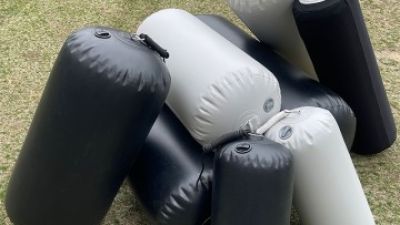
High-performance protection begins with choosing inflatable Boat Fenders designed for real marine conditions. Custom OEM and ODM fenders can help protect boat hulls, docks, and neighboring vessels from impact, friction, and pressure during berthing or mooring. Made with durable, marine-grade materials, these inflatable fenders offer reliable cushioning while remaining lightweight and easy to handle. Their flexible structure absorbs contact energy efficiently, helping reduce scratches, dents, and unnecessary maintenance.
As experienced China suppliers, our factory supports customized solutions for different boat sizes, operating environments, and equipment requirements. Customers can select dimensions, colors, surface finishes, valve types, rope fittings, and packaging according to their specifications. Each inflatable boat fender is produced with careful attention to airtightness, material strength, and consistent performance, making it suitable for recreational boats, workboats, yachts, and marine service applications. OEM and ODM cooperation also allows distributors, fleet operators, and marine equipment businesses to develop practical products that match their market needs while maintaining dependable quality and competitive factory-direct supply.
Compare production experience, material quality, inspection records, delivery history, and customer support. Small details matter. Factory evidence is stronger than attractive brochures.
Reinforced PVC can reduce cost and weight. Hypalon-style fabric usually resists sunlight well. Both materials can work reliably with proper seams. Construction quality matters more than labels alone.
Check tube diameter, seam finishing, valve access, floor stiffness, handles, and protective strips. Inspect the transom carefully. It often shows weakness early.
A smaller boat may suit fishing and simple trailering. Boats above 4.5 meters usually offer more stability and storage. Use the recommended power range. An oversized engine can increase weight, noise, and maintenance.
Hull weight, crew size, water conditions, and driving habits change results. Test it loaded. A small engine may plane slowly and use more fuel.
Request pressure, leak, and load-testing records from actual production batches. Random inspections are useful. One excellent sample does not prove every later unit matches it.
Confirm packaging, delivery timelines, spare-part availability, warranty procedures, and response times in writing. Clear records help. A responsive engineer may be more useful than a polished salesperson.
No ranking is final. A well-equipped factory may still face seasonal delays or inconsistent subcontracting. Field use can change conclusions. I may still miss problems without repeated inspections.
This article provides a practical overview of Inflatable Motor Boats, explaining their structure, materials, propulsion systems, portability, stability, and major design features. It also reviews how China’s inflatable boat manufacturing industry has developed through improvements in fabric technology, welding processes, engine integration, quality control, and customized production. A clear ranking framework is introduced for evaluating the top ten Chinese manufacturers in 2026, based on product reliability, manufacturing capability, innovation, safety management, customer support, and overall value.
The article compares different boat sizes, hull materials, engine options, load capacities, operating performance, and intended applications, including recreation, fishing, transportation, and professional water activities. It also discusses essential safety standards, testing procedures, certification considerations, and responsible use requirements. Finally, readers receive practical guidance on selecting a dependable manufacturer by checking technical specifications, production experience, inspection records, warranty policies, customization services, delivery capabilities, and after-sales support.