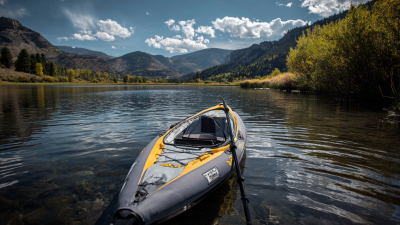
When you're getting ready for an outdoor adventure, picking the right gear is super important — and a good-quality rubber raft can really make a difference. I’ve seen reports lately showing that the global market for Inflatable Boats, including rubber rafts, is expected to hit around USD 2.2 billion by 2025. That shows just how much people are into water-based fun these days! Qingdao Ilife Industries Co., Ltd. is actually leading the way in this scene, thanks to their solid product quality and knack for tech innovation. They’re trusted both locally and abroad. What’s cool is that they offer a full system of services to meet all sorts of needs — whether you’re planning on cruising on calm lakes or tackling some wild rapids. Picking a reliable manufacturer like Qingdao Ilife Industries for your rubber raft can really make your trip safer and way more enjoyable — seriously, it’s worth the investment if you want to have a good time out there in nature.
Understanding Different Types of Rubber Rafts: Pros and Cons for Your Adventure
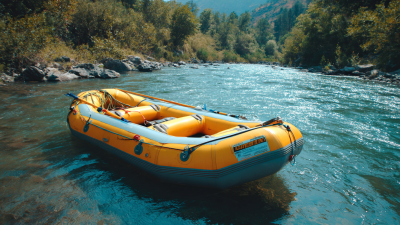
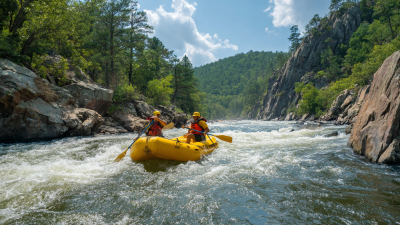
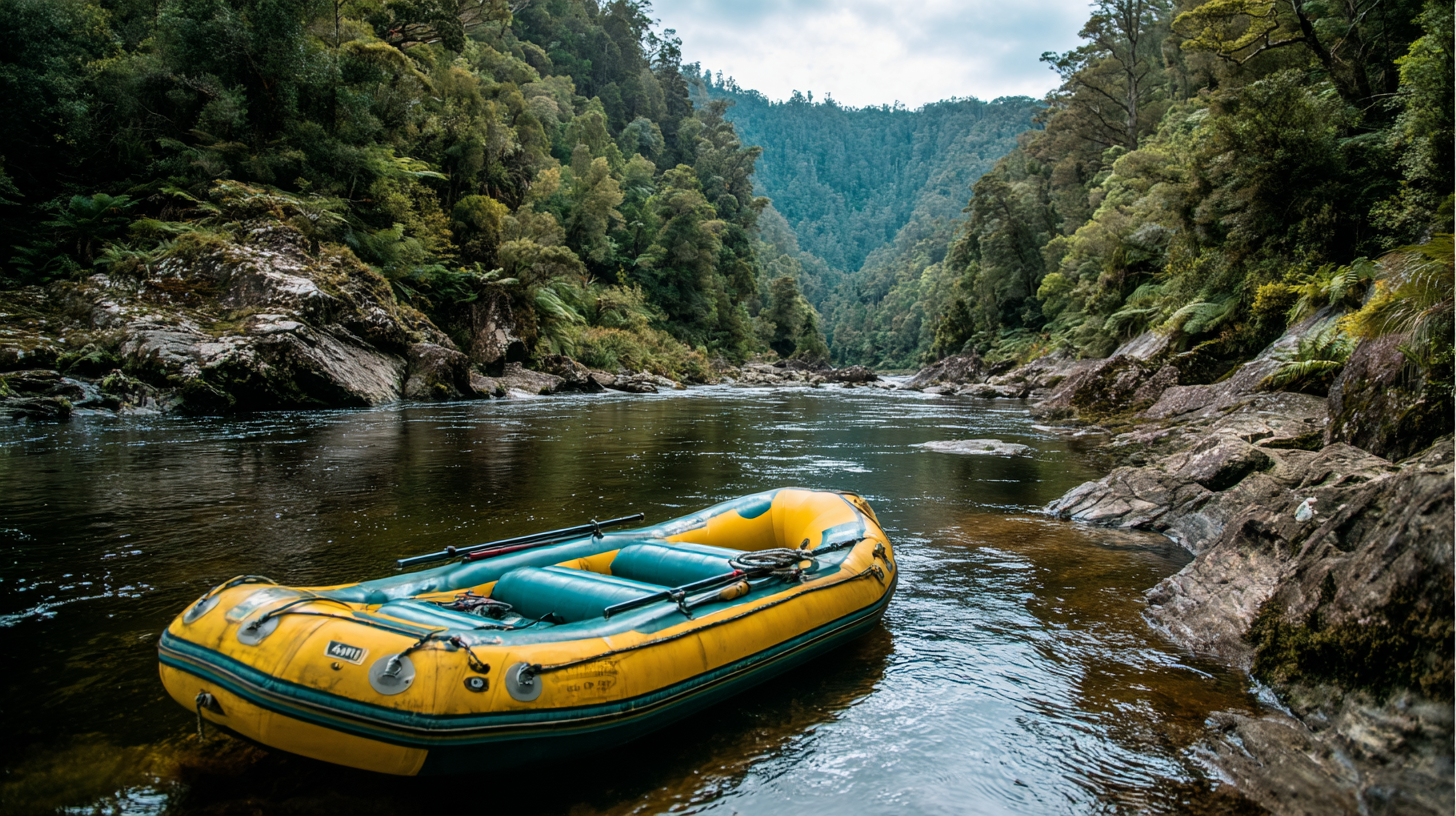
So, when you're picking out a rubber raft for your next outdoor trip, it really pays to get a handle on the different types out there and what each one’s good— and not so good—for. Like, Inflatable Rafts are super handy because they pack down small and are easy to carry around — perfect if you’re planning a quick day escape. But, honestly, they might struggle a bit in rough waters since they’re more prone to punctures or getting damaged. Now, hard-shell rafts? Those are the tough guys—really sturdy and great for tackling whitewater. They offer better stability and safety, no doubt. The catch? They can be pretty heavy and bulky, which makes hauling them around a bit of a hassle.
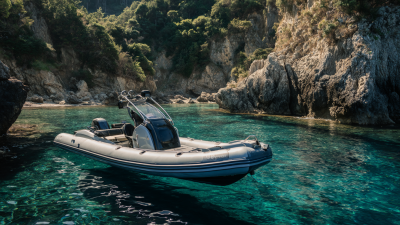
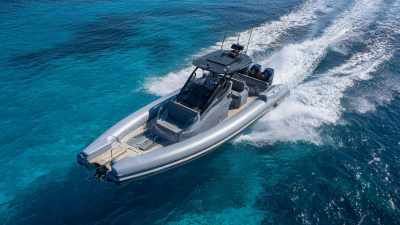
And then there's the hybrid raft option—kind of *the best of both worlds*. These mix features from inflatable and hard-shell models, so you get versatility — you can float on calm lakes or blast through rapids depending on what you're feeling that day. They tend to keep their shape well and aren't too heavy, but yep, they usually come with a higher price tag. Knowing these little details really helps you pick the perfect raft for whatever adventure you’re dreaming up. The goal? Staying safe and making sure you have a blast out there on the water!
Choosing the Best Rubber Raft for Your Next Adventure in Nature - Understanding Different Types of Rubber Rafts: Pros and Cons for Your Adventure
| Type of Rubber Raft | Pros | Cons | Best Use Case |
| Inflatable Rafts | Lightweight, easy to transport, comfortable | Susceptible to punctures, requires air pump | Calm rivers and lakes |
| Hard-Shell Rafts | Durable, stable, great for rough waters | Heavy, less portable, difficult to store | Rapids and ocean waves |
|
Fishing Rafts | Equipped for fishing, stable, added storage | Bulky, can be expensive | Lakes and slow-moving rivers |
| Multi-Person Rafts | Accommodates groups, stable | Requires teamwork, heavier to navigate | Group adventures and family outings |
Identifying Key Features to Look for in a Quality Rubber Raft
When you're picking out the best rubber raft for your next outdoor adventure, it’s really about focusing on a few key things that keep you safe and make the experience enjoyable. Durability is a must — look for rafts built from tough, reinforced materials that can handle scratches and punctures without giving out. Oh, and don’t forget about buoyancy! A good rubber raft should stay steady on all kinds of water, whether you're calmly paddling across a lake or tackling some rapids. Features like multiple air chambers can seriously boost safety and performance too.
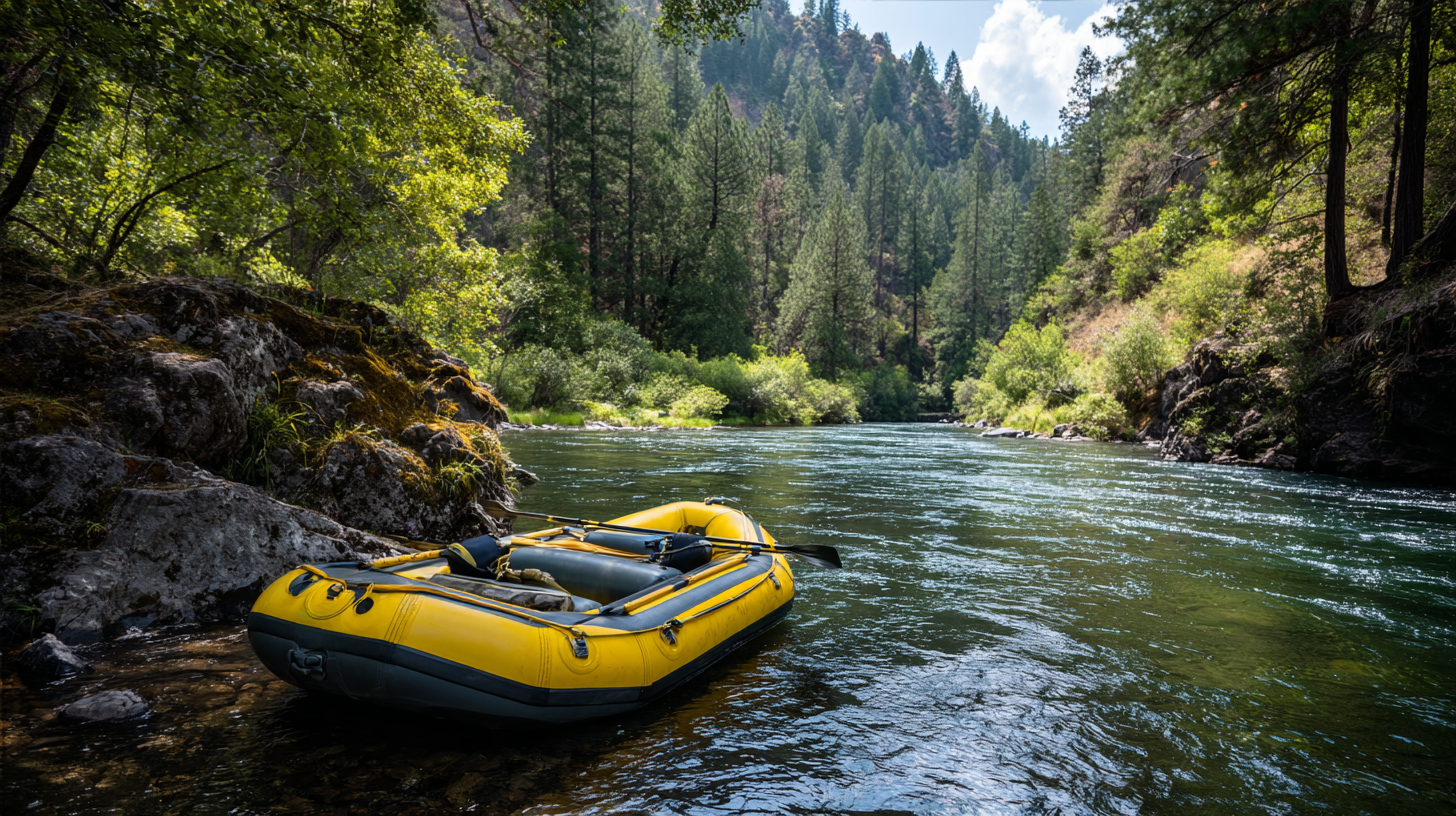
On top of that, comfort and convenience are super important. Things like ergonomic seats, handles that are easy to grab, and enough storage space for your gear can make a big difference in how much you enjoy your trip. At Qingdao Ilife Industries Co., Ltd., we take pride in making high-quality rubber rafts with all these features in mind. Our products are backed by solid quality, a full-service support system, and strong technical know-how. That’s why we’re trusted by outdoor lovers both at home and abroad. Going with our rafts not only makes your adventure safer but also way more reliable and fun on the water.
Evaluating Size and Capacity: How to Choose the Right Raft for Your Group
When you're picking out a rubber raft for your outdoor adventure, it’s pretty important to think about the size and capacity. You wanna make sure it’s big enough for everyone in your group and still has enough room for your gear. Usually, rafts come in different sizes — from small ones perfect for solo trips to larger models that can handle the whole family or a group of friends. Also, think about what kind of water you'll be on. A raft made for calm lakes isn’t quite the same as one built for whitewater thrills.
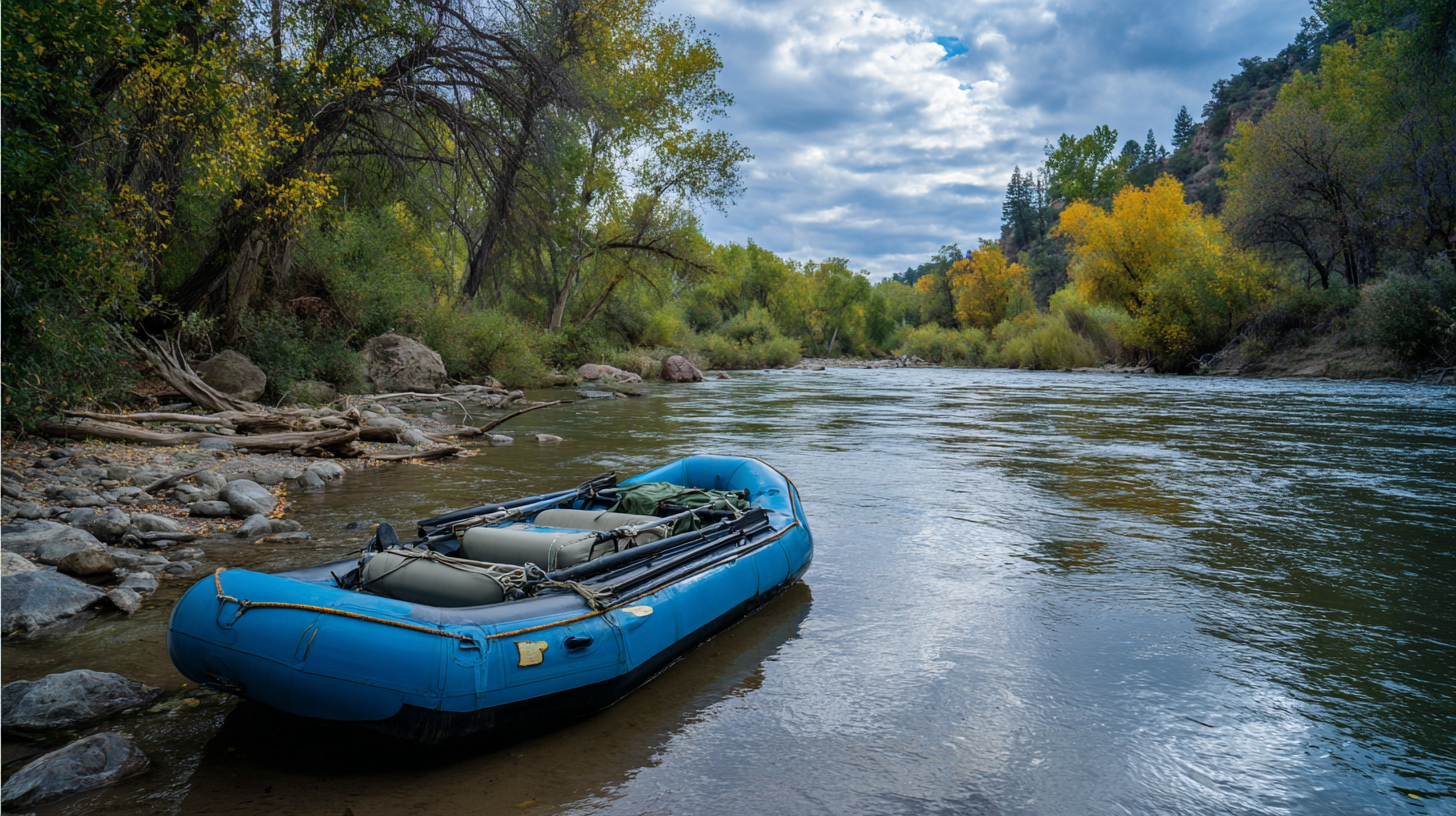
And don’t forget to check the weight limit too! Each raft has its own safe carrying capacity, and it’s super important to stick to it. No one wants to risk tipping over or damaging the raft because it was overloaded. Look for specs that tell you how many people it can hold comfortably, along with the maximum weight it can handle. When you keep these things in mind, everyone in your crew will be able to relax and have fun — whether you’re floating peacefully on a calm lake or braving some wild rapids. The goal is to enjoy your time in nature without any worries about safety or space.
Assessing Material Durability: The Importance of PVC vs. Hypalon in Rafts
When you're picking out a rubber raft for your outdoor adventures, it's pretty important to get a feel for what kind of material it's made of. The two most common options are PVC—yeah, the Polyvinyl Chloride—and Hypalon, which is actually a brand name for a kind of synthetic rubber called CSM or Chlorosulfonated Polyethylene. Each of these materials has its own quirks and benefits, and that can really make a difference in how tough and reliable your raft turns out to be.
Now, PVC is loved by many because it's usually pretty affordable and lightweight, so it’s great if you're just in it for some fun on the river. It stands up pretty well to scratches, sun damage, and everyday wear and tear. But here’s the thing—if you’re paddling in extreme heat or cold, it might not hold up quite as well. Over time, without proper care, it can even become more brittle. On the flip side, Hypalon is known for being super tough—it’s resistant to UV rays, chemicals, and can handle those tough conditions you might encounter in more serious adventures. Yeah, it tends to cost a bit more upfront, but it often pays off because it lasts longer and handles the beating pretty darn well—especially if you’re someone who’s always out doing challenging trips.
At the end of the day, your choice between PVC and Hypalon depends on what kind of adventures you’re planning. If you’re on a budget and just want something lightweight for some casual river fun, PVC might be perfect. But if you’re heading into rougher environments and need something that can really stand the test of time, Hypalon is probably the smarter pick—and honestly, it might give you extra peace of mind, knowing your raft can keep up with your wild side.
Comparative Cost Analysis: Budgeting for Your Ideal Rubber Raft Adventure
Planning your next outdoor adventure? Thinking about rubber rafts? It’s pretty useful to get a handle on what they cost — it can really impact your overall budget. The prices can range a lot depending on stuff like the size, the quality of the material, the brand, and what features are included. If you're just looking for something simple to get you by, basic inflatable rafts are usually pretty affordable — somewhere between $100 and $300 — so they’re pretty accessible if you’re a casual explorer. But if you’re planning on tackling rough waters or going on longer trips, you might want to go for a higher-end model that could set you back $500 to over $1000 or more.
And it’s not just about the initial cost, either. You’ve gotta think about all the extras — safety gear, paddles, pumps, and transport bags — which can add another $100 to $300 to your total. Also, if you’re renting stuff instead of buying, those daily rental fees can add up quick, especially on longer trips. So, it’s a smart move to do some quick math beforehand — figure out what you really need and how much you want to spend. That way, you’ll pick a raft that’s not only good for your budget but also perfect for your adventure plans. Trust me, a little planning goes a long way!
Safety Considerations: Essential Gear and Best Practices for Using Rubber Rafts
Starting out on an outdoor adventure with a rubber raft? Safety should totally be your top priority, no questions asked. The American Whitewater Association mentions that almost 90% of river accidents happen because people don’t use the right safety gear or aren’t familiar with the water conditions—big risks there. So, make sure you’re wearing a personal flotation device (PFD) that fits well and is up to U.S. Coast Guard standards. Trust me, wearing a good-fitting PFD can really make the difference if something goes wrong. Oh, and don’t forget to check out and follow local rules about safety gear, since these can change depending on where you’re paddling.
Now, beyond the gear, understanding the environmental factors is super important for having a good trip. The National Park Service stresses that weather and water levels can totally change the safety vibe—so keep an eye on those. It’s smart to carry a waterproof first aid kit, plenty of water or hydration stuff, and a reliable way to communicate just in case. Also, a little prep goes a long way—educate yourself and your buddies on basic rescue techniques and what to do in emergencies. When everyone on your team is prepared, the risks drop quite a bit. Following these safety steps not only keeps you and your friends safe but also makes the whole outdoor adventure way more enjoyable and stress-free.
FAQS
: The main types of rubber rafts include inflatable rafts, hard-shell rafts, and hybrid rafts, each offering different benefits and drawbacks.
Inflatable rafts are extremely portable, easy to store, and ideal for casual day trips, but they may perform poorly in rough waters and are more susceptible to punctures.
Hard-shell rafts are more durable, handle whitewater conditions better, and provide greater stability and safety, but they can be heavier and bulkier, making transportation more difficult.
Hybrid rafts combine features of both inflatable and hard-shell designs, offering versatility for various water conditions while being relatively lightweight, though they may cost more.
Safety gear, especially a personal flotation device (PFD) that meets U.S. Coast Guard standards, is crucial for survival in emergencies, as nearly 90% of river-related accidents are due to improper safety gear.
Always check and comply with local regulations on safety gear, as requirements can vary by location and body of water.
Weather conditions and water levels can significantly impact safety while rafting; being aware of these factors helps ensure a safer experience.
A waterproof first aid kit, hydration supplies, and a reliable communication device are essential items to enhance safety during a rafting adventure.
Educating yourself and your group on basic rescue techniques and emergency protocols helps to effectively mitigate risks and enhances overall safety during rafting.
Considering safety practices not only protects participants but also elevates the overall enjoyment of the experience in the great outdoors.
Conclusion
Planning your next outdoor adventure? Picking the right rubber raft is super important — it really can make or break your experience when it comes to safety, comfort, and just having a good time. There are a few different types of rubber rafts out there, each with their own perks and quirks, so taking the time to understand them can help you have a smoother, more enjoyable trip on the water. Things like size, how much weight it can handle, and what kind of material it's made from—especially if you're comparing PVC and Hypalon—are all worth considering. And hey, don’t forget to do a bit of a budget check — finding that sweet spot between quality and cost is key.
Of course, safety is priority number one. Make sure your raft is equipped with the right gear and that you follow the best practices for a safe outing. Here at Qingdao Ilife Industries Co., Ltd., we’re really proud of our top-notch products and the full-service support we offer. You can trust that our rubber rafts are reliable, whether you’re just starting out or you’re a seasoned adventurer hitting the water abroad. So, are you ready to embrace nature? The right raft will definitely make all the difference in your adventure.